
Describe the start, not just the nameplate.
Supply motor data and the proposed starting method. Identify machinery that may restart while other loads remain connected, together with any restrictions on its starting sequence.
GoCommins · Capacity planning
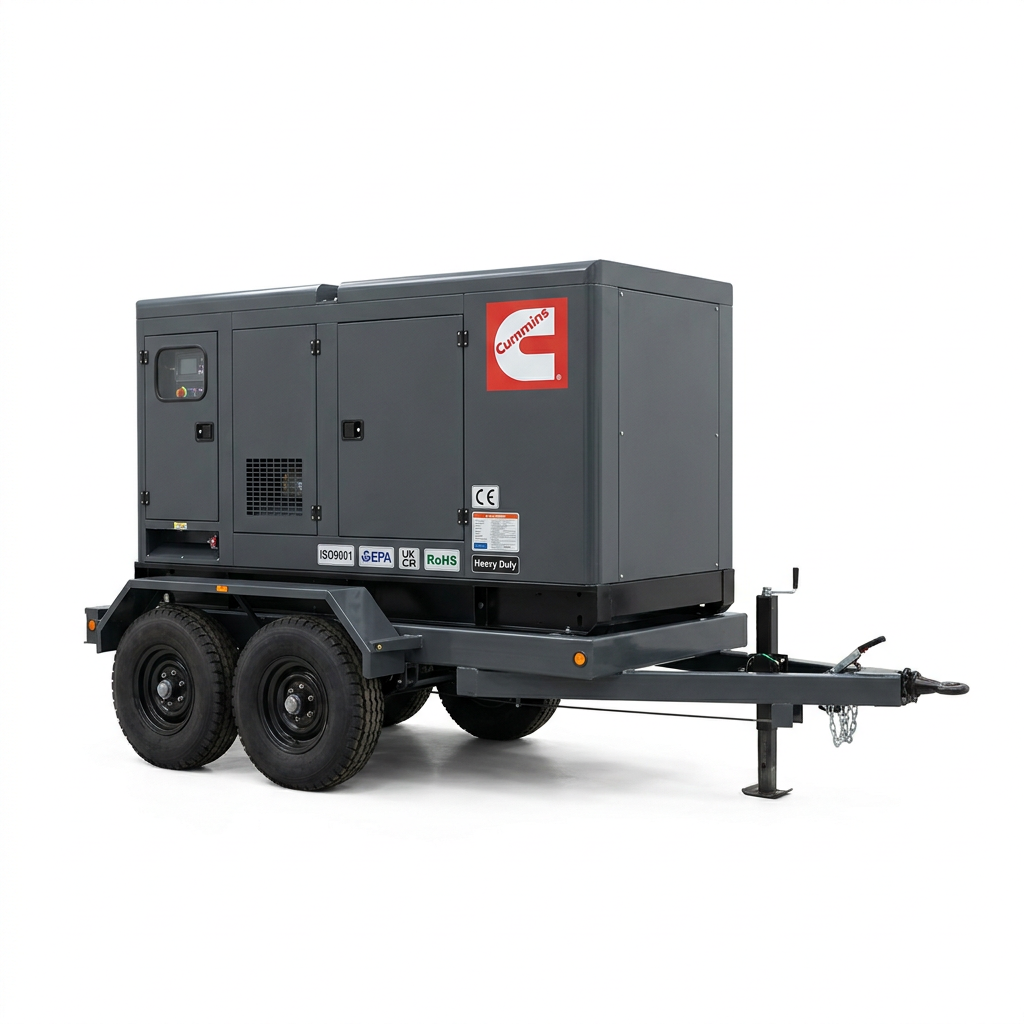
Plan the next stage of your facility’s power. Bring a defined hardware combination to your expansion study: an original Cummins 6ZTAA13-G3 diesel engine, original Stamford HCI444FS1 alternator and original Deep Sea Electronics DSE7320 controller. Explore the 300kW class with the load information, operating priorities and connection requirements that matter at your site.
Begin with the demand
An expansion may add a new process, a larger production area or a different mix of equipment. Define which circuits belong on generator power before using the facility total as a sizing target.
Identify the equipment that must remain available during the intended operating period. Record its normal demand and the conditions that cause it to increase.
Mark processes that can wait or be excluded from generator operation. State who makes that decision and whether the separation is achieved electrically or through an operating procedure.
List future machinery separately, including the information already known about it. Distinguish confirmed additions from an early estimate so the review can track its assumptions.
Look beyond the running total
Two facilities with similar running demand can present different starting and load-change requirements. The technical assessment should examine the equipment behaviour behind the total.
Supply motor data and the proposed starting method. Identify machinery that may restart while other loads remain connected, together with any restrictions on its starting sequence.
Flag drives, UPS systems and other electronic equipment in the load list. Provide the available input data and ask the electrical designer to consider their effect on alternator selection and supply quality.
Describe equipment that switches automatically or changes demand during a process. Highlight combinations that could occur together so the assessment is based on a realistic operating case.
Attach measured demand profiles where available. Note the season, operating shifts and equipment included in the readings; add starting information and planned changes that the measurements do not capture.
Fit the unit into the facility
A larger power class changes the discussion beyond the generator itself. Bring the existing electrical arrangement and site conditions into the same review as the proposed unit.
Provide the single-line diagram and details of retained switchgear, cables and changeover equipment. Have the responsible electrical designer review the proposed connection, protection arrangements and equipment ratings.
State the site elevation, ambient conditions and installation location. Request the applicable output basis and enclosure arrangement for that environment, with the supporting technical data identified in the offer.
Supply the available space and the proposed routes for ventilation, exhaust and fuel services. Obtain arrangement drawings before checking access, maintenance clearances and the installation work to be performed locally.
Describe the required local indications, external signals and remote supervision. Ask for the DSE7320-based arrangement and any additional interfaces to be listed so the controls scope can be reviewed explicitly.
Engineering background: Cummins guidance on site loads and transient performance ↗
Prepare a useful enquiry
Send enough context to connect the generator proposal with the facility’s next operating stage. Keep uncertain items visible so they can be resolved during selection.
Explore project support with GoCommins ↗Selection questions
These questions help the project team prepare the information needed for a capacity review and a clearly defined offer.
The load study determines that. Share the circuits you intend to energise, their expected demand and their starting characteristics. The proposed unit needs to be assessed against that combination, the requested duty and the installation conditions before its usable capacity is accepted for the project.
Identify proposed equipment separately from the operating plant. Include the available manufacturer data, expected installation date and whether it must run during generator operation. This lets the reviewer distinguish a committed expansion from an allowance that may change.
Describe when the readings were taken and which processes were active. Add the missing peak-period information when available, together with equipment starting data. A low-demand snapshot should be labelled as such so it is not mistaken for the complete operating profile.
Yes. Supply the existing equipment identification, ratings, drawings and proposed connection arrangement. Ask the project engineer to assess its suitability alongside the new generator. Identify any required replacement, protection review or control changes in the integration scope.
Record the assumption and the information still needed to confirm it. Ask for the selection to be revisited once the load details are available. An unexplained percentage reserve does not describe the behaviour of a particular future machine or process.
Specify Cummins 6ZTAA13-G3 for the diesel engine, Stamford HCI444FS1 for the alternator and Deep Sea Electronics DSE7320 for the controller. Carry the same references into the technical offer, with any proposed substitution clearly identified for review.
Bring the load study into the conversation
Share the facility load picture and request a proposal referencing 6ZTAA13-G3, HCI444FS1 and DSE7320.
Review the neighbouring power classes