
📅 Last Updated: June 25, 2026
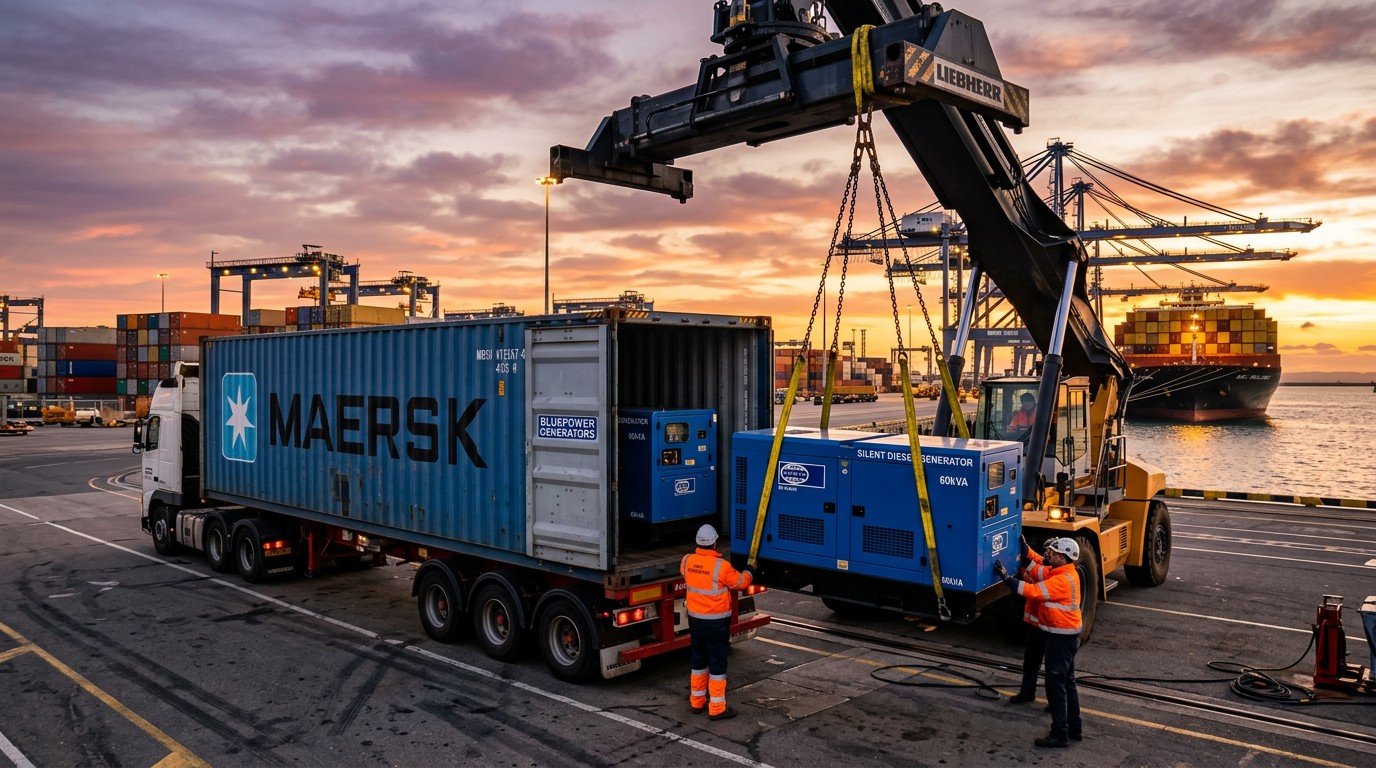
Imagine this: You’ve just delivered a fleet of our top-quality 100kW Cummins silent diesel generators to a high-stakes client in the middle of a Canadian winter. Your customer—someone as assertive and dominant as my friend Mark Shenng—is rebranding these units and selling them at a serious premium. Then, a massive ice storm hits. The grid goes down. Mark’s phone starts ringing off the hook, but instead of “thank you” calls, he’s getting screams of “The generator won’t start!” Suddenly, that “premium” brand looks like a joke, and it’s all because someone forgot that even the best engineering needs a little love.
A proper Cummins generator maintenance schedule consists of daily visual inspections for leaks and oil levels, weekly “exercise” runs for 30 minutes, and major service intervals every 250 to 500 hours. Specifically, you must change the oil and filters at 250 hours or six months, whichever comes first, and perform a comprehensive cooling system and battery audit annually. Sticking to this strict Cummins service protocol is the only way to prevent your high-performance engine from turning into a very expensive, silent piece of industrial art during a power crisis.
Don’t let technical ignorance be the downfall of your distribution empire. I’m Alex Zhang, and I run five production lines at GoCommins. I’ve seen what happens when people treat generators like furniture instead of high-precision machines. Stick with me for a few minutes, and I’ll give you the expert blueprint that keeps Mark Shenng’s business (and yours) powering through the peak sales seasons without a single technical hiccup.
Why Daily Inspections Save You from Weekly Disasters?
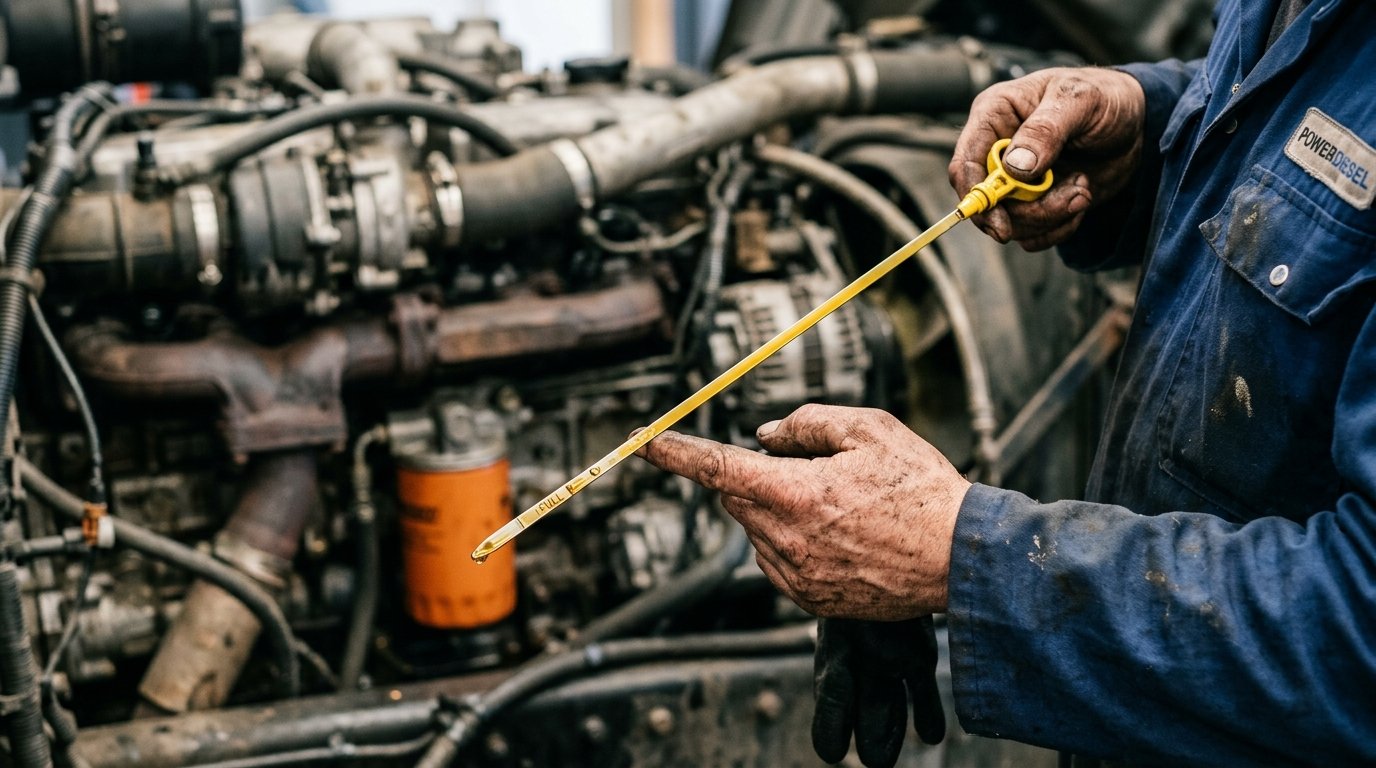
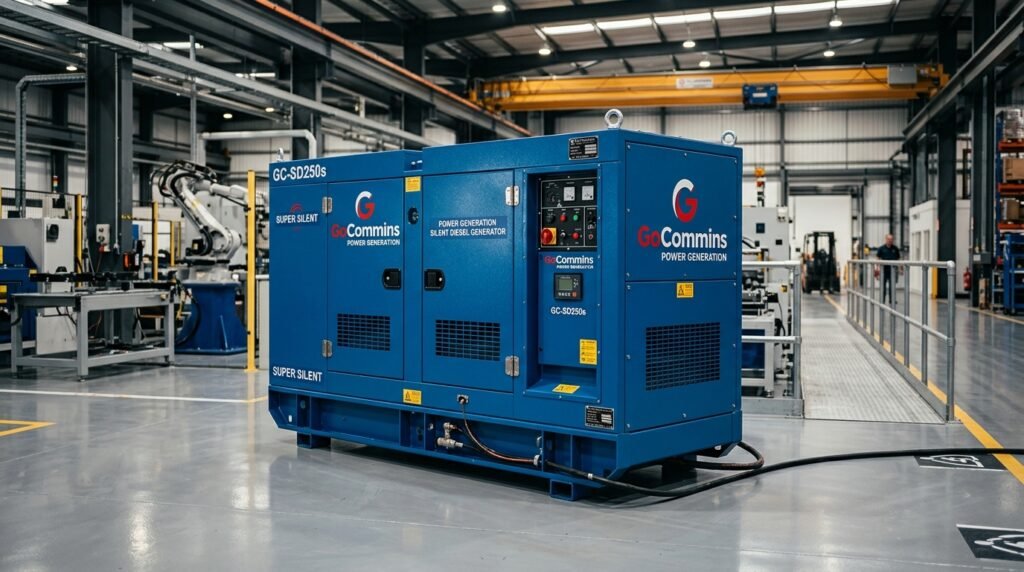
In the factory, we have a saying: “An eye on the engine is worth two in the shop.” You don’t need to be a technical genius to do a daily walk-around inspection. Look for the “Big Three”: leaks, loose wires, and low fluids. If you see a puddle of oil or coolant under your silent canopy, that’s your machine crying for help. Checking the oil dipstick daily takes ten seconds but can prevent a $20,000 engine seizure that would make even the most confident CEO lose their cool.
I once knew a distributor who ignored a tiny fuel leak because he was too busy dominating trade show conversations. Three weeks later, his unit failed during a critical load test, and he lost a massive contract. At GoCommins, our quality inspection protocols are rigorous, but once the unit leaves our gate, the “Eye of the Owner” is the final line of defense. Ensure your customers know that a daily check isn’t a chore; it’s an insurance policy for their reputation.
The 250-Hour Threshold: Is Your Oil Actually Liquid Gold or Sludge?
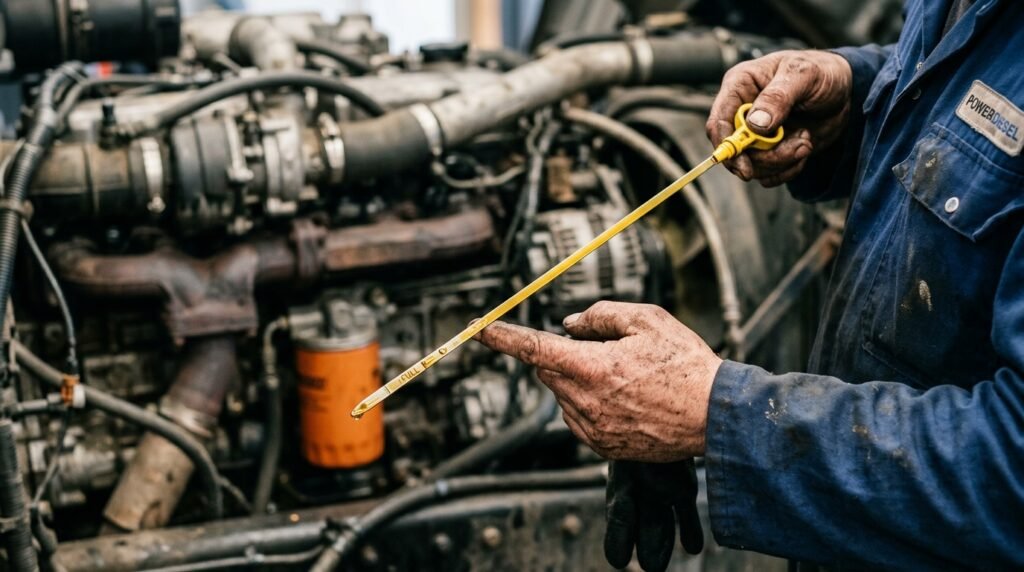
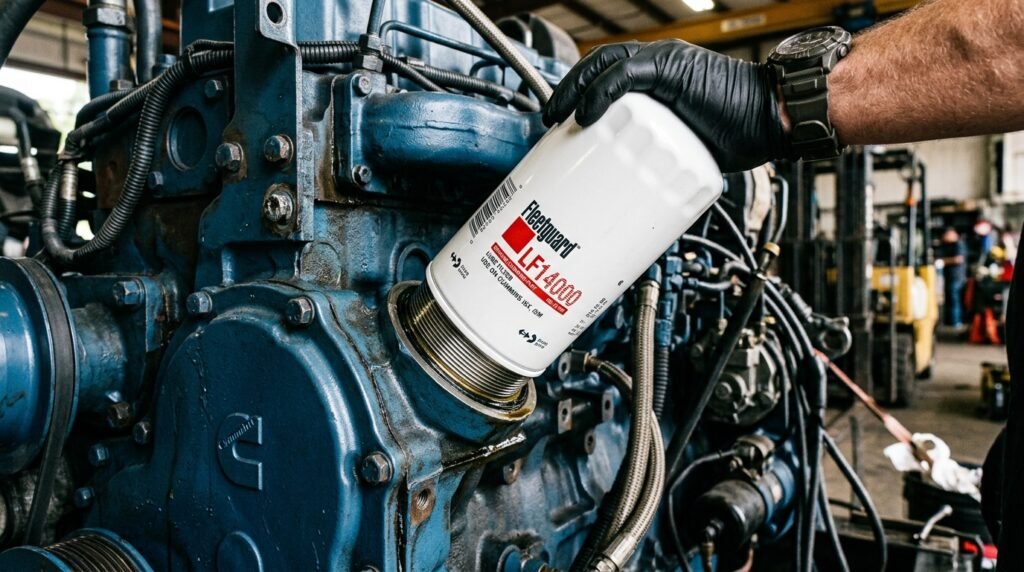
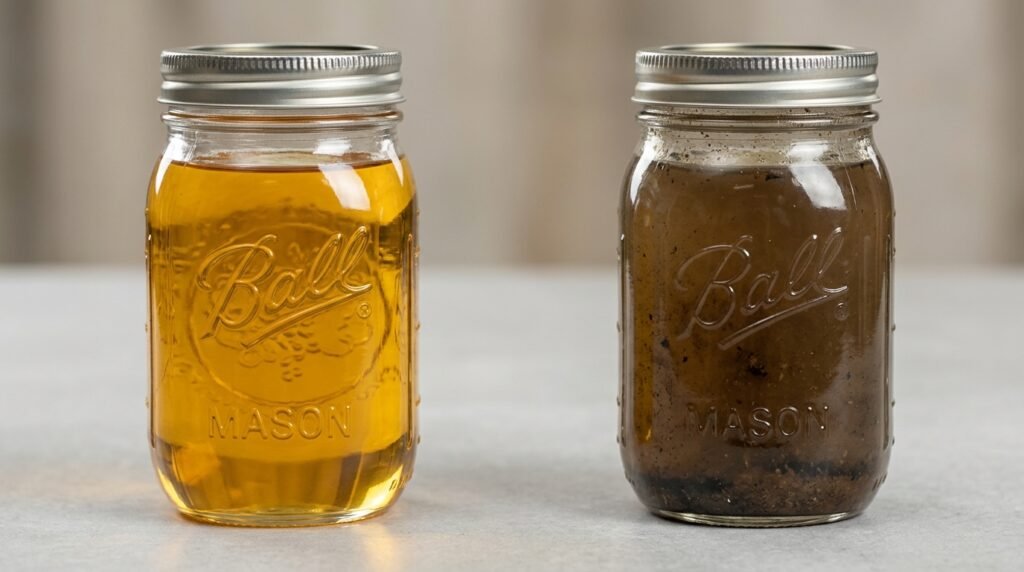
Diesel engines are tough, but they aren’t immortal. Every 250 operating hours—or every six months if the unit is just sitting on standby—you MUST change the engine oil and oil filters. Over time, diesel oil becomes contaminated with carbon and moisture. If you let it go too long, it turns into a thick sludge that clogs the passages and wears down the piston rings. For a 100kW unit, this is the most critical maintenance step you can take.
Mark Shenng often asks me why we insist on Cummins-approved filters instead of generic ones. I tell him, “Mark, would you put discount tires on a Ferrari?” Of course not. High-quality filters trap particles that generic ones miss. When you’re distributing at a premium, your customers expect the longevity that only original OEM-quality components can provide. Using the wrong oil or a cheap filter is the fastest way to invite “certificate forgery” levels of trouble into your business model.
Semi-Annual Secrets: Why the Battery is the Sneakiest Traitor?
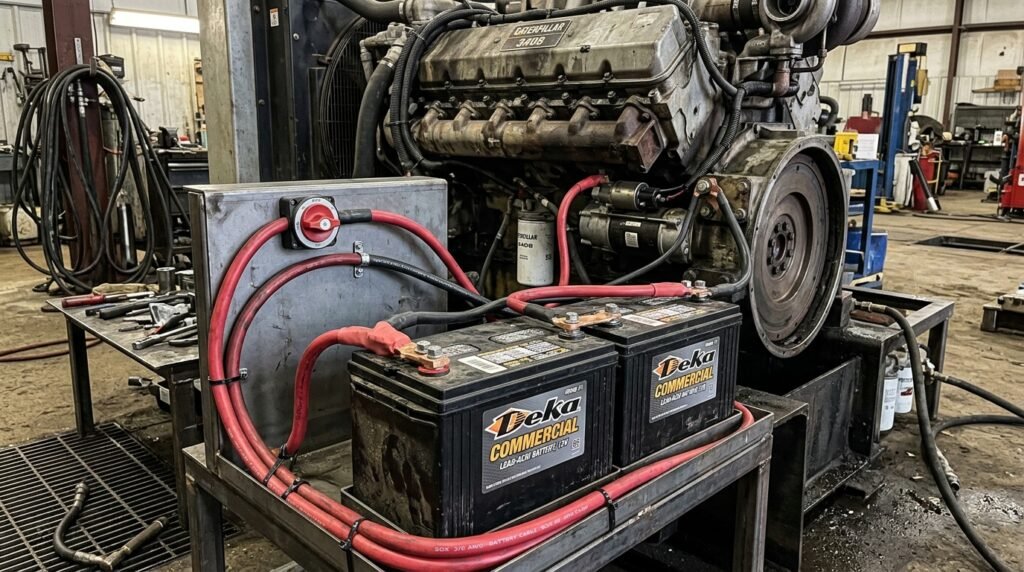
You can have a perfect engine and a full tank of fuel, but if your battery is dead, you’re stuck in the dark. Semi-annual maintenance should focus heavily on the battery and starting system. Check the electrolyte levels, clean the terminals of any corrosion, and test the voltage. A generator battery typically lasts 2-3 years, but in harsh climates like Canada or the Middle East, they can fail much sooner without warning.
I’ve seen assertive buyers get humiliated because their “silent” generator stayed silent during a demonstration simply because the battery terminals were fuzzy with oxidation. At GoCommins, we use heavy-duty lead-acid batteries, but they still need a monthly trickle charge if the unit isn’t running. Remind your clients that a battery tester costs fifty bucks, but a “No-Start” during a sales pitch costs thousands in lost trust.
Annual Audits: The Comprehensive Checklist for 1,000-Hour Legends?
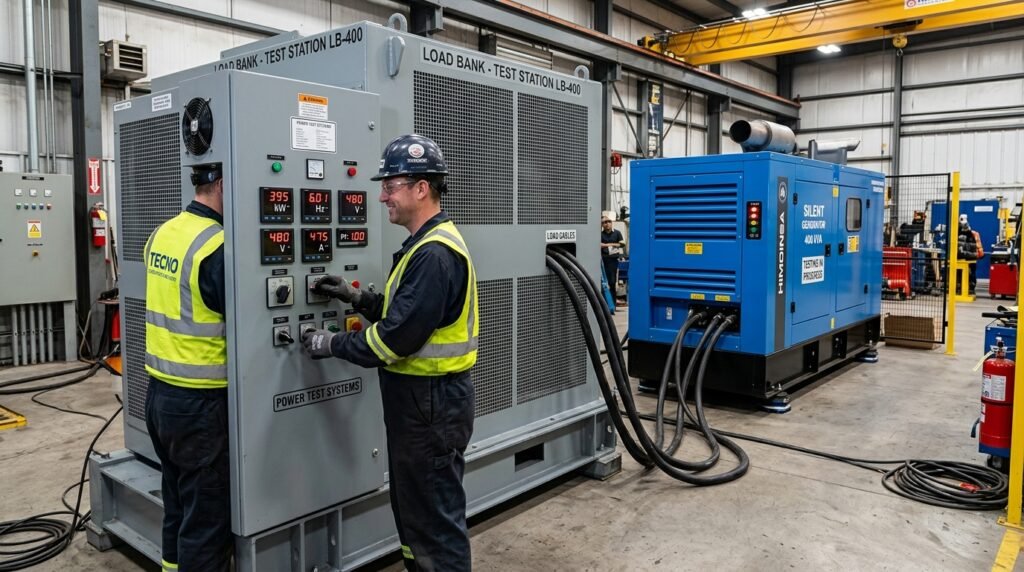
Once a year, it’s time to go deep. This is the 1,000-hour or “Annual Audit.” You need to inspect the Automatic Transfer Switch (ATS), check the alternator windings for dust buildup, and verify the integrity of the soundproof canopy. This is also when you should perform a Load Bank Test. This test forces the generator to run at 100% capacity for several hours to burn off any “wet stacking” carbon deposits and prove the engine can handle its rated power.
Many procurement managers lack the technical expertise to understand why load banking is necessary. I explain it like this: your generator is an athlete. If it only ever does light stretches (starting with no load), it will lose its muscle. An annual load bank test is the “marathon” that ensures your Cummins unit is ready for the real thing. It’s the ultimate way to prove to your customers that the customizable Cummins genset you sold them is still a beast.
Fuel Quality Control: Why Your Generator Needs a Clean Diet?
Diesel fuel isn’t like wine; it doesn’t get better with age. In fact, after six months, diesel starts to degrade and grow “algae” (actually microbial growth). This gunk will clog your fuel lines and injectors faster than you can say “shipping delay.” Every maintenance schedule must include a fuel quality check. Use a fuel stabilizer if the unit is on standby, and replace the fuel filters every year regardless of the hours run.
At my factory, we ensure the fuel systems on our five production lines are sealed and pristine. But once that unit is sitting in a yard in Vietnam or Canada, it’s exposed to the elements. I always tell Mark that his “premium” rebranding only works if the machine actually runs. If you feed a world-class Cummins engine dirty, old fuel, you’re basically sabotaging your own profit model. Keep it clean, keep it fresh, and the engine will thank you with a decades-long lifespan.
The Cooling System: Preventing Your Engine from Having a Meltdown?
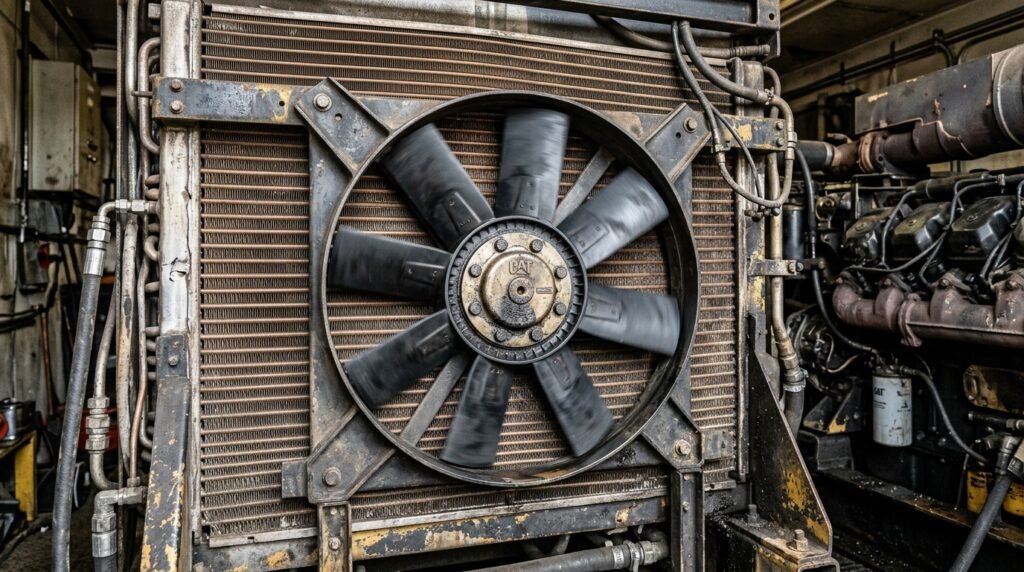
A 100kW diesel generator produces a massive amount of heat. If the cooling system fails, the engine will warp and die in minutes. Annually, you need to check the coolant concentration and pH levels. Over time, coolant becomes acidic and starts to eat away at the radiator and engine block from the inside out. You also need to blow out any dust or debris from the radiator fins to ensure maximum airflow.
I’ve had distributors complain about “delayed shipments” when they were actually dealing with overheating issues caused by poor maintenance. It’s a common pain point: inefficient communication leads to technical failures. As an original Cummins authorized manufacturer, we provide the exact coolant specs for every climate. Whether your unit is heading to the scorching Middle East or the freezing North America, the cooling system is the “sweat glands” of your machine—don’t let them get clogged.
Why the “Exercise” Rule is Not for Your Personal Fitness?
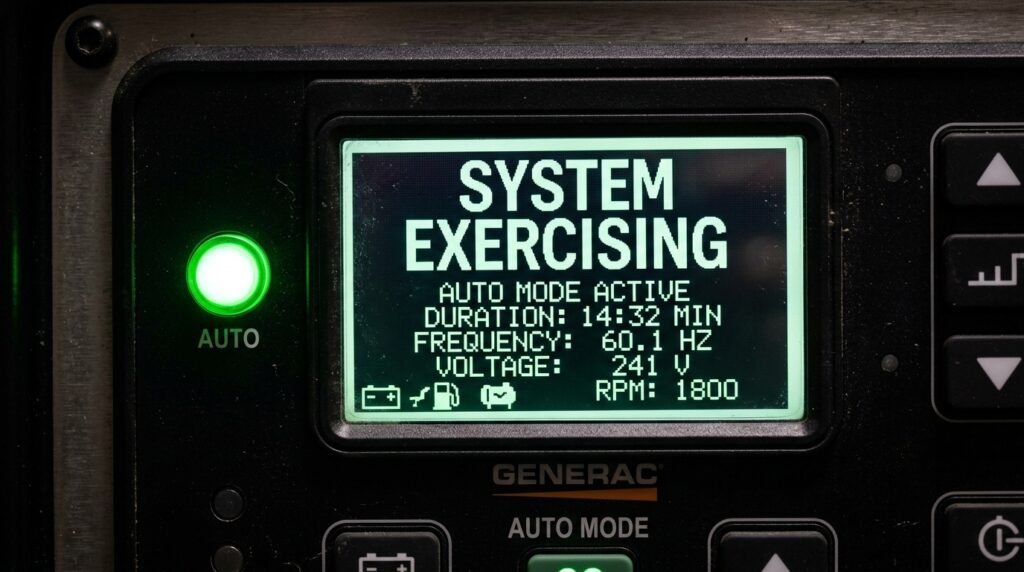
The most common reason for generator failure isn’t wear-and-tear; it’s stagnation. A generator that never runs will suffer from dried-out seals, rusted cylinders, and dead batteries. You must “exercise” your Cummins unit at least once a week for 30 minutes under at least 30% load. This keeps the oil circulating, the fuel moving, and the internal components lubricated. It’s the “Secret Sauce” of the NFPA 110 standard for emergency power.
Think of it like this: I’m Alex Zhang, and I work out to stay sharp for the factory floor. Your generator needs to work out to stay sharp for the blackout. If you tell your customers to run their units weekly, they will have 99% fewer problems. It’s the easiest way to solve the “Inefficient Communication” pain point—give them a simple, automated weekly task, and you’ll rarely hear from them for repairs. You’ll just hear from them when they want to buy more units!
Final Advice from the GoCommins CEO?
Look, I know business owners like Mark Shenng are busy. They want the profit, they want the premium brand, and they want the lead in every conversation. But you can’t talk your way out of a mechanical failure caused by neglect. If you follow this Cummins maintenance schedule, you are protecting your investment and your brand’s reputation. Don’t let a 50filterbethereasonyour25,000 generator fails.
At GoCommins, we build these machines to last a lifetime, but we can’t come to your customer’s house to change the oil. Use this guide to educate your procurement officers and distributors. When they see you as a technical expert—not just a sales rep—they will trust you more, buy more, and stop worrying about “certificate forgery.” Let’s keep the power flowing and the profits growing. If you need parts or a new customizable genset, you know where to find me.
Conclusion
A Cummins generator is only as reliable as its maintenance schedule. By performing daily checks, 250-hour oil changes, and annual load tests, you ensure a lifetime of service. Stick to the plan, and you’ll always be the hero of the blackout. Happy servicing!
FAQ: Cummins Generator Maintenance Schedule
Q: How often should a Cummins generator be serviced?
A: A proper Cummins maintenance schedule consists of daily visual inspections for leaks and oil levels, weekly 30-minute “exercise” runs, and major service intervals every 250–500 hours. Specifically, change oil and filters at 250 hours or six months, whichever comes first, and perform a comprehensive cooling system and battery audit annually. Following this Cummins service protocol keeps the engine reliable when a power crisis hits.
Q: Why is it dangerous to skip generator maintenance?
A: Neglected units fail exactly when they are needed most — during ice storms, heat waves, and grid failures. Coolant leaks, drained batteries, and stale fuel turn a premium genset into a silent, expensive paperweight. GoCommins sells machines engineered for thousands of hours, but only disciplined maintenance unlocks that lifetime.
Q: How long should I run my generator every week?
A: Run the unit under load for about 30 minutes weekly. This “exercise” keeps seals lubricated, prevents fuel from degrading, and confirms the starting and transfer systems work. GoCommins recommends this habit to every B2B buyer and distributor to protect their customers’ uptime.
Q: What are the most common maintenance mistakes distributors and end users make?
A: Skipping the 250-hour oil change, ignoring battery condition after long sea freight, storing with dirty diesel, and never testing under load. GoCommins mitigates these with factory-verified components, and we provide clear maintenance documentation with every genset shipped.
Q: How does GoCommins support maintenance for fleets sold to distributors?
A: Every GoCommins unit ships with its factory test report and a documented Cummins-compliant service schedule. Our after-sales team supports distributors with technical guidance, genuine parts sourcing, and service documentation so your customers’ uptime — and your brand — stay protected.