
📅 Last Updated: January 25, 2026
Nothing kills a vibe faster than a sudden blackout right when you’re about to win a game of online poker or, heaven forbid, while your wife is halfway through a binge-watch of her favorite show. You’re sitting there in the dark, smelling the milk in the fridge slowly turn into a science project, feeling like a caveman without the cool cave. You could go out and buy any old generator, but if it’s too small, you’ve basically bought a very expensive, very loud paperweight. If it’s too big, you’re burning money faster than a billionaire on a space tourism trip.
To choose the right size Cummins generator for your home, you must first calculate your total “Running Watts” for all essential appliances and add the “Starting Watts” for your largest motor-driven device (like an AC unit). As a rule of thumb, a 20kW to 30kW unit typically covers a standard North American home’s essentials, including climate control and kitchen appliances. Always add a 20% safety margin to your final total to ensure the engine doesn’t choke when the compressor kicks in during a heatwave.
Stick with me for ten minutes, and I’ll turn you from a technical novice into a power-grid prodigy. I’ve spent years running five production lines at GoCummins, and if I can handle procurement managers who are as assertive as a grizzly bear, I can certainly help you keep your lights on.
Why Does Size Actually Matter in the World of Watts?
When I talk to buyers like my friend Mark in Canada, they often think “more is better.” Mark is the kind of guy who wants to dominate every conversation, and he usually wants the biggest engine I have in the factory just to prove a point. But in your home, an oversized generator is a fuel-guzzling monster that will suffer from “wet stacking”—a nasty condition where unburnt fuel clogs up your exhaust. It’s the mechanical equivalent of eating a 72-ounce steak when you only wanted a slider.
On the flip side, an undersized generator is even worse. Imagine trying to run a marathon while breathing through a cocktail straw; that is your generator trying to power your central AC when it doesn’t have the capacity. The voltage drops, your expensive electronics start to fry, and suddenly that “deal” you got on a small unit becomes a very expensive nightmare. You need the “Goldilocks” zone: not too big, not too small, but just right for your specific square footage and lifestyle.
How Do You Calculate Your Home’s “Electric Diet”?
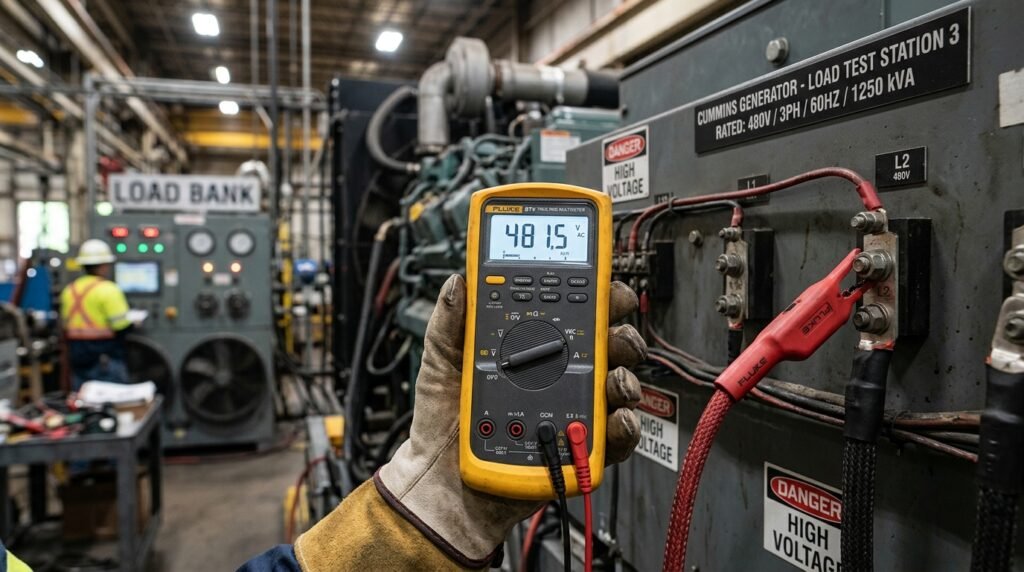
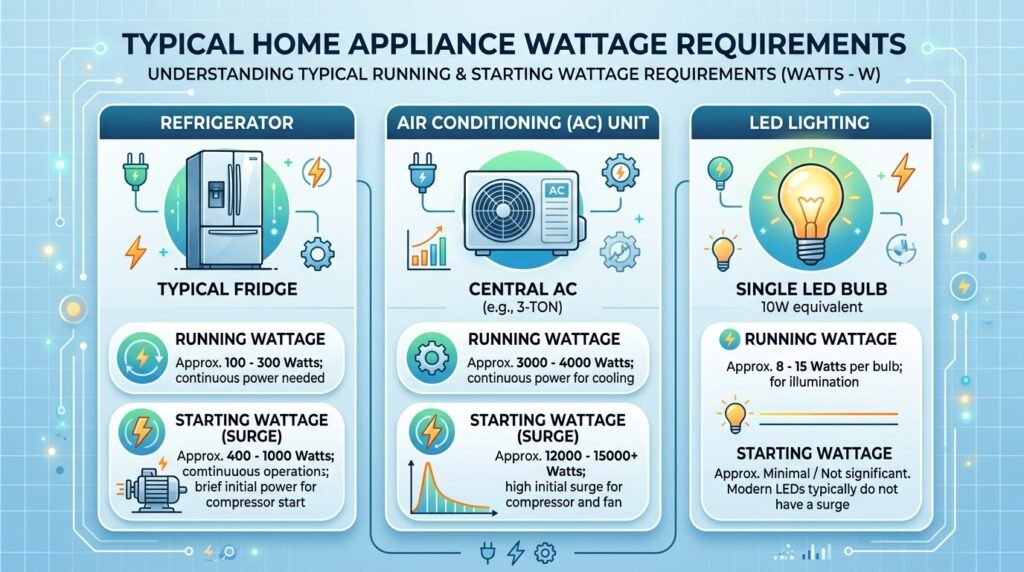
Before you give me a call at GoCummins to place an order, you need to do a little homework—don’t worry, it doesn’t involve calculus. Grab a notepad and walk through your house like you’re the king of the castle. List every appliance you absolutely cannot live without during a storm: the fridge, the sump pump, the Wi-Fi router (obviously), and your coffee maker. Check the stickers on the back of these devices to find their “Running Watts,” which is the power they need to stay on.
However, the real killer is the “Starting Watts.” Devices with motors, like your air conditioner or your washing machine, need a massive burst of energy just to get the motor spinning—often three times their running power. You can find a handy Surge Wattage Chart online to get the averages. If you don’t account for this surge, your generator will trip the breaker the second your AC tries to kick in, leaving you hot, sweaty, and frustrated.
Is the 20% Safety Margin a Suggestion or a Law of Nature?
In my factory, we never run our machines at 100% capacity for long periods. It’s bad for the soul, and it’s even worse for the piston rings. When you calculate your total wattage, you should always add a 20% safety buffer. If your house needs 15kW to run everything comfortably, you should be looking at an 18kW or 20kW Cummins generator. This ensures that the engine isn’t constantly screaming at max RPM, which extends its life and keeps the noise levels down.
Think of it like the “Mark Shenng Rule.” Mark likes to have the last word in every meeting, and your generator needs to have the “last word” in power reserves. Having that extra 20% means that if you decide to plug in a toaster while the AC is running, your house won’t go pitch black. It’s about peace of mind. Plus, a generator running at 70-80% load is far more fuel-efficient than one struggling at its absolute limit, saving you money on diesel in the long run.
Should You Go with a “Quiet” Cummins or Let the Neighbors Complain?
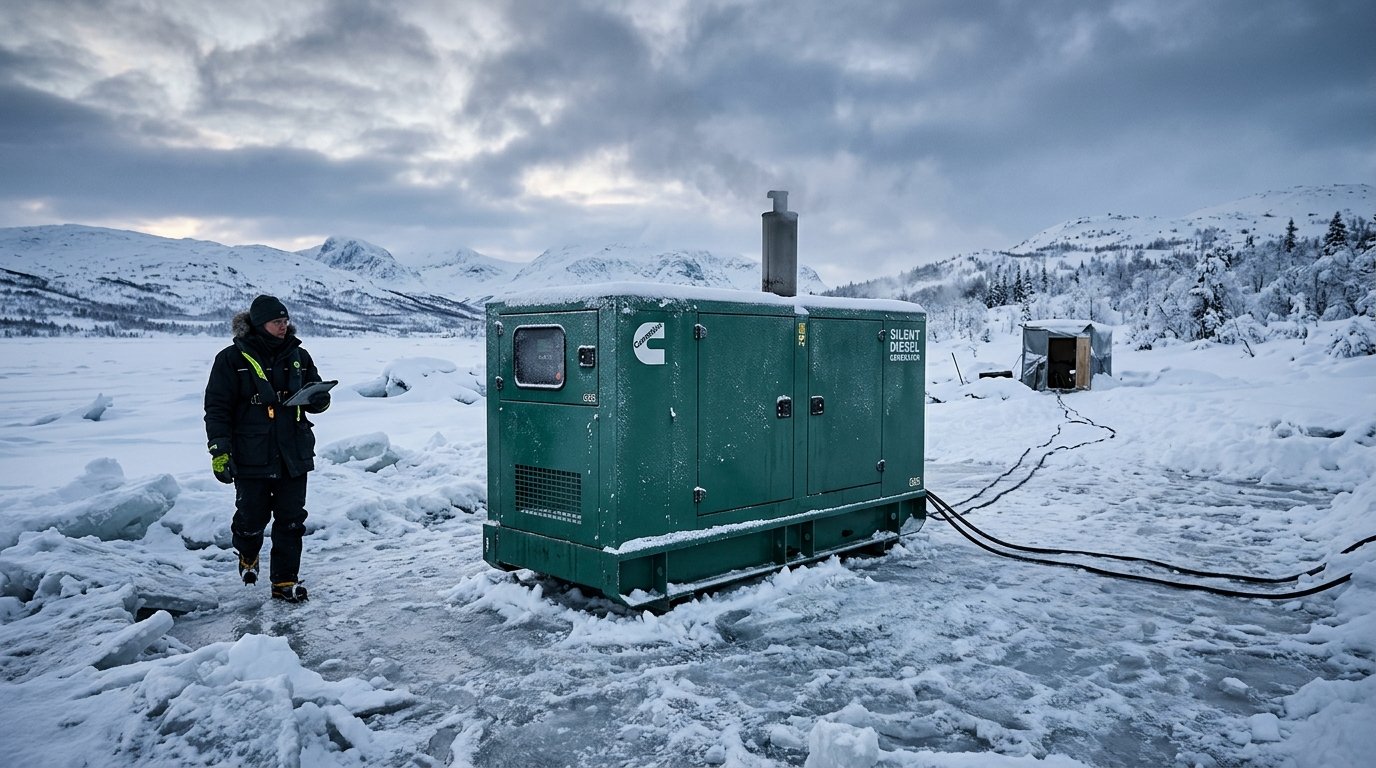
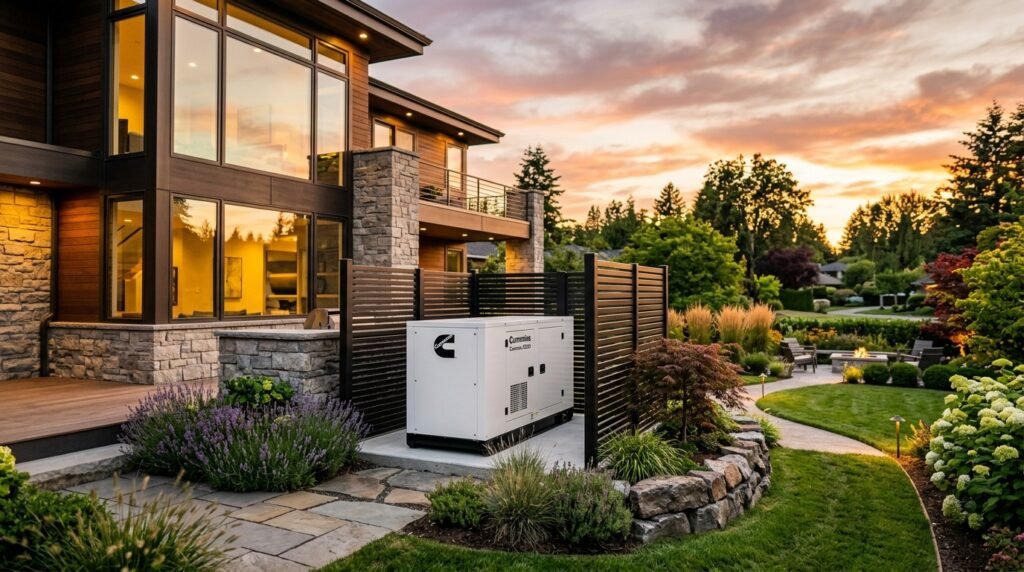
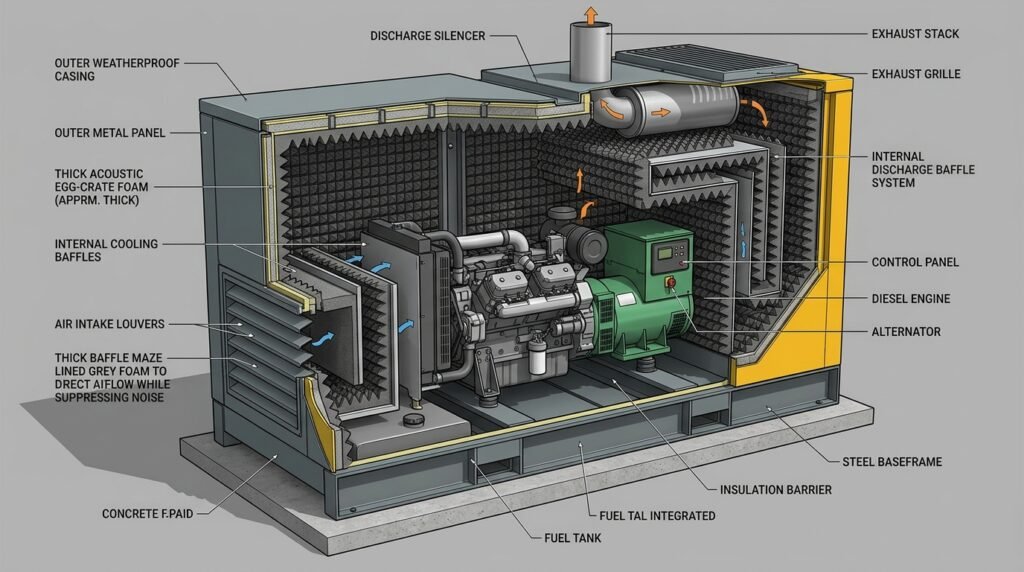
If you live in a neighborhood where the neighbors are as sensitive as a sourdough starter, you absolutely need a Cummins Silent Diesel Generator. In my factory, we take the “silent” part very seriously. We use high-density acoustic foam and specialized enclosures that turn a roaring engine into a gentle hum. A standard open-frame generator sounds like a lawnmower inside a tin can, which is a great way to get a visit from the local police or an angry letter from the HOA.
Our silent units are designed to meet strict noise ordinances, which are becoming a big deal in North America and Europe. When I’m at trade shows, the first thing people ask isn’t about the fuel tank; it’s “How loud is it?” We’ve engineered our enclosures so you can have a conversation standing right next to the unit. If you’re going to invest in a premium Cummins genset, don’t ruin the experience by making it sound like a construction site is happening in your flower bed.
What Role Does the Automatic Transfer Switch Play in Your Safety?
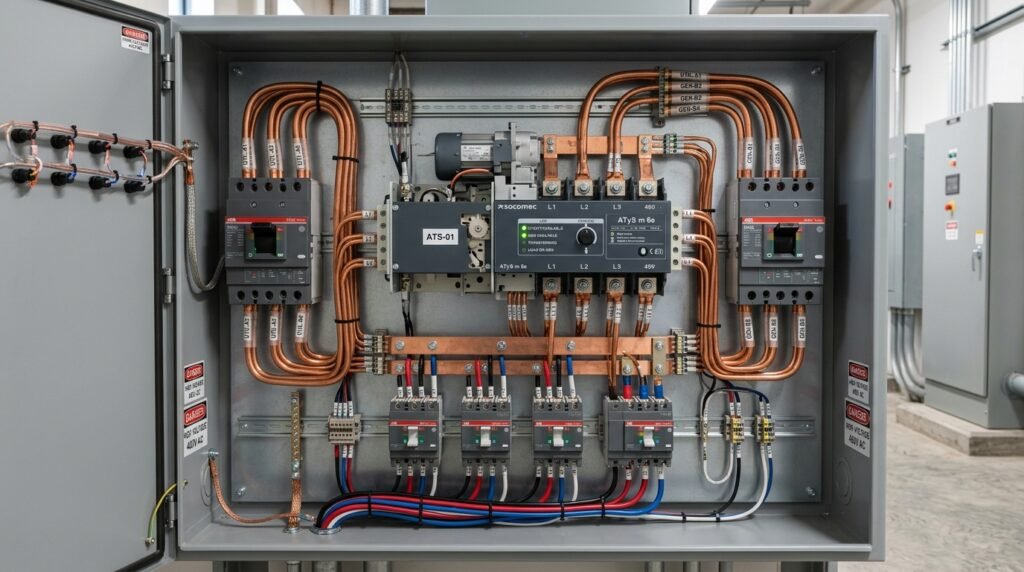
You can have the best Cummins generator in the world, but without a high-quality Automatic Transfer Switch (ATS), it’s just a shiny box. The ATS is the “brain” of the operation. It monitors the utility power, and the second it detects a drop, it disconnects your home from the grid and starts the generator. This happens in seconds. Without it, you’d have to run outside in the rain, flip a bunch of switches, and pray you don’t accidentally back-feed power into the grid and fry a utility worker.
I’ve seen some “assertive” DIY-ers try to bypass the ATS to save a few bucks. That is a fantastic way to burn your house down or get a massive fine for violating the National Electrical Code (NEC). As a CEO who values his reputation, I tell all my clients: don’t skimp on the switch. A Cummins-compatible ATS ensures that the transition is seamless. You’ll barely notice the lights flicker before your GoCummins unit takes over the heavy lifting.
Why Should You Trust a Factory-Direct Expert Like Alex Zhang?
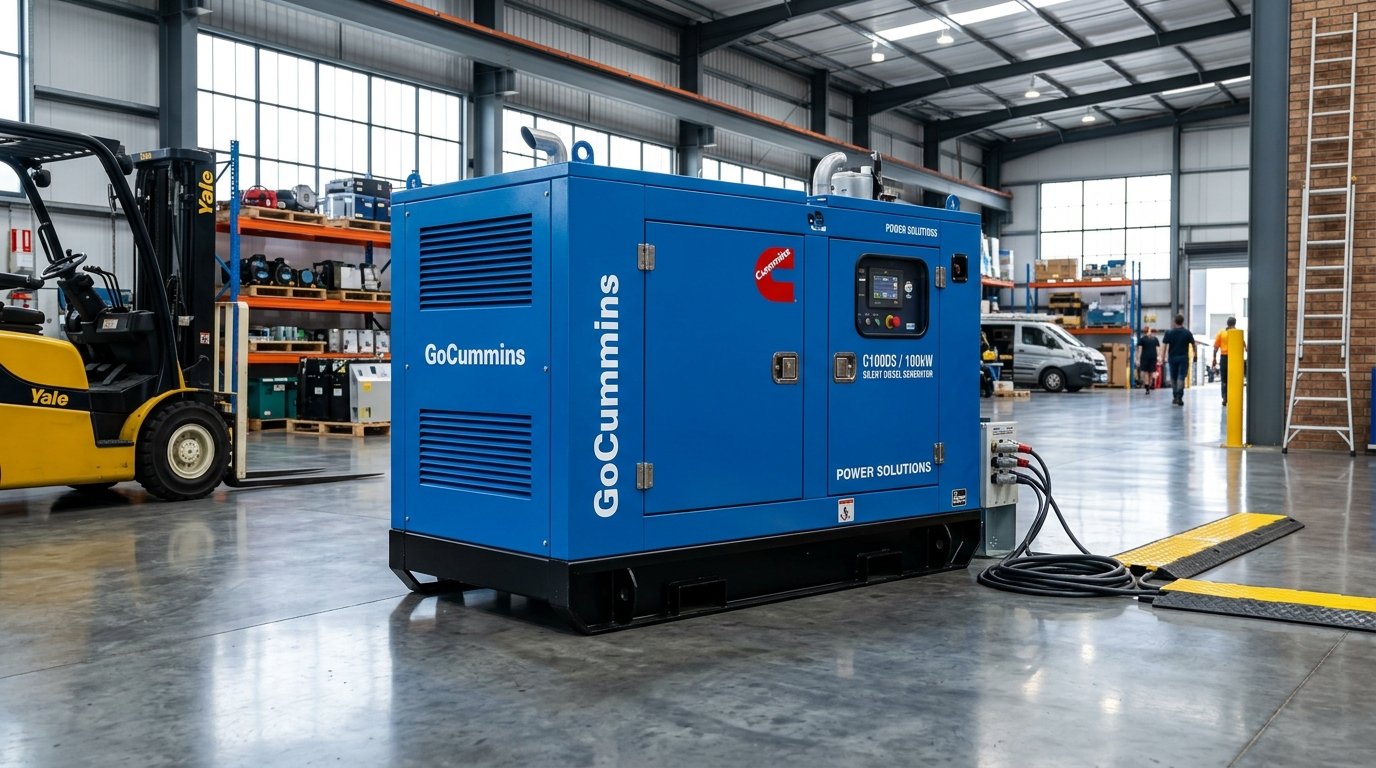
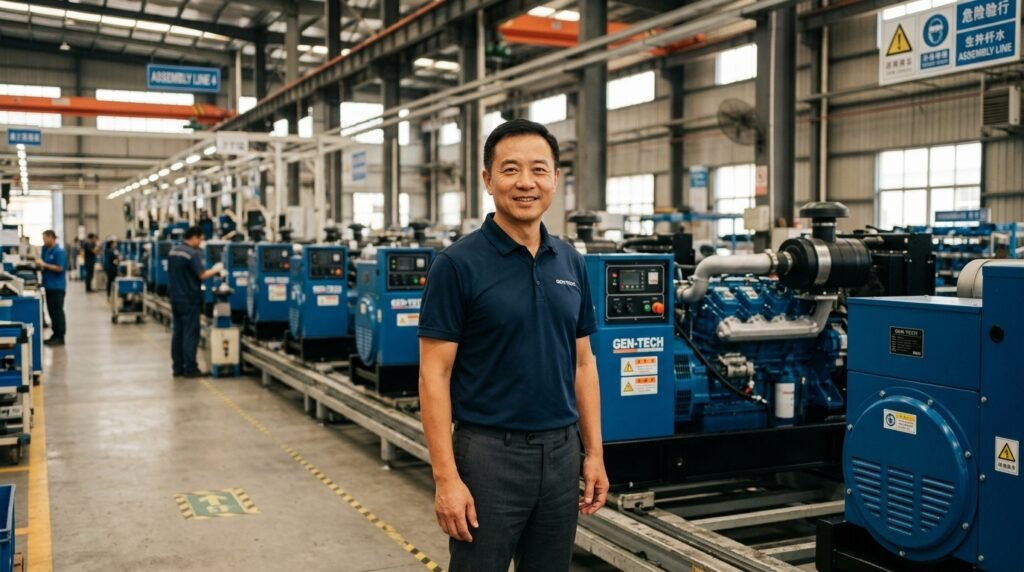
Look, I know you have options. You could go to a big-box store and buy a generic brand that was built by the lowest bidder. But you’re here because you want the “Authorized OEM” quality. At GoCummins, we have five production lines that do nothing but perfect these machines. We understand the technical nuances that sales reps at a retail store couldn’t explain if their lives depended on it. We build these for harsh environments in Africa and the Middle East, so your backyard is a walk in the park for us.
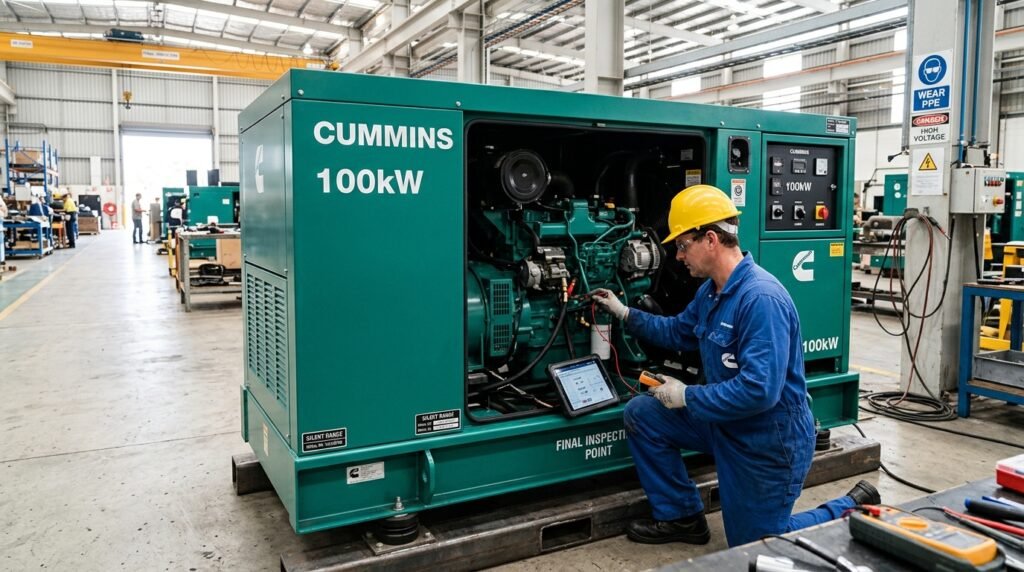
When people like Mark Shenng buy from us to rebrand in Canada, they do it because they know our quality inspection is top-tier. We don’t just ship boxes; we ship power solutions. Whether you need a small unit for a cabin or a 100kW beast for a luxury estate, we treat every order like it’s going to our own mother’s house. We don’t do “forgery,” and we don’t do “delays.” We do Cummins, and we do it better than anyone else in the wholesale market.
Conclusion
Choosing the right size Cummins generator doesn’t have to be a headache. Just add up your watts, account for the surges, and remember the 20% rule. If you do that, you’ll be the only person on the block with hot coffee and a cold fridge during the next storm. Happy power hunting!

FAQ: Home Backup Generator Sizing & Selection
Q: What size Cummins generator does a typical North American home need?
A: Calculate the total Running Watts of essential appliances plus the Starting Watts of the largest motor-driven device, such as an AC unit. As a rule of thumb, a 20kW–30kW unit covers a standard home’s essentials, including climate control and kitchen appliances. Add a 20% safety margin so the engine does not choke when the compressor kicks in. GoCommins helps dealers and distributors recommend the right model for their market.
Q: What happens if my generator is undersized or oversized?
A: Too small and it trips on start-up surges — an expensive paperweight during a blackout; too large and you burn fuel and money on every run. Correct sizing balances cost, runtime, and reliability. GoCommins provides load calculation guidance so resellers can specify the right unit with confidence.
Q: Which appliances should be included in a home load calculation?
A: Essential circuits: refrigeration, heating and cooling, lighting, well pumps where applicable, and outlets for electronics. Motor-driven devices draw several times their running watts at startup, so include their surge demand. GoCommins provides a documented sizing approach that dealers can share with end customers.
Q: Why choose a Cummins-powered generator for residential backup power?
A: Cummins engines deliver reliable starting, quiet operation, and a worldwide parts and service network — exactly what a homeowner needs when the grid fails. GoCommins builds these authorized units with soundproof, residential-friendly canopies.
Q: How does GoCommins support dealers selling residential generators?
A: Factory-direct pricing, customizable configurations (kW rating, voltage, enclosure), factory test reports, and after-sales documentation. GoCommins is a one-stop manufacturing partner for distributors targeting the residential backup market.