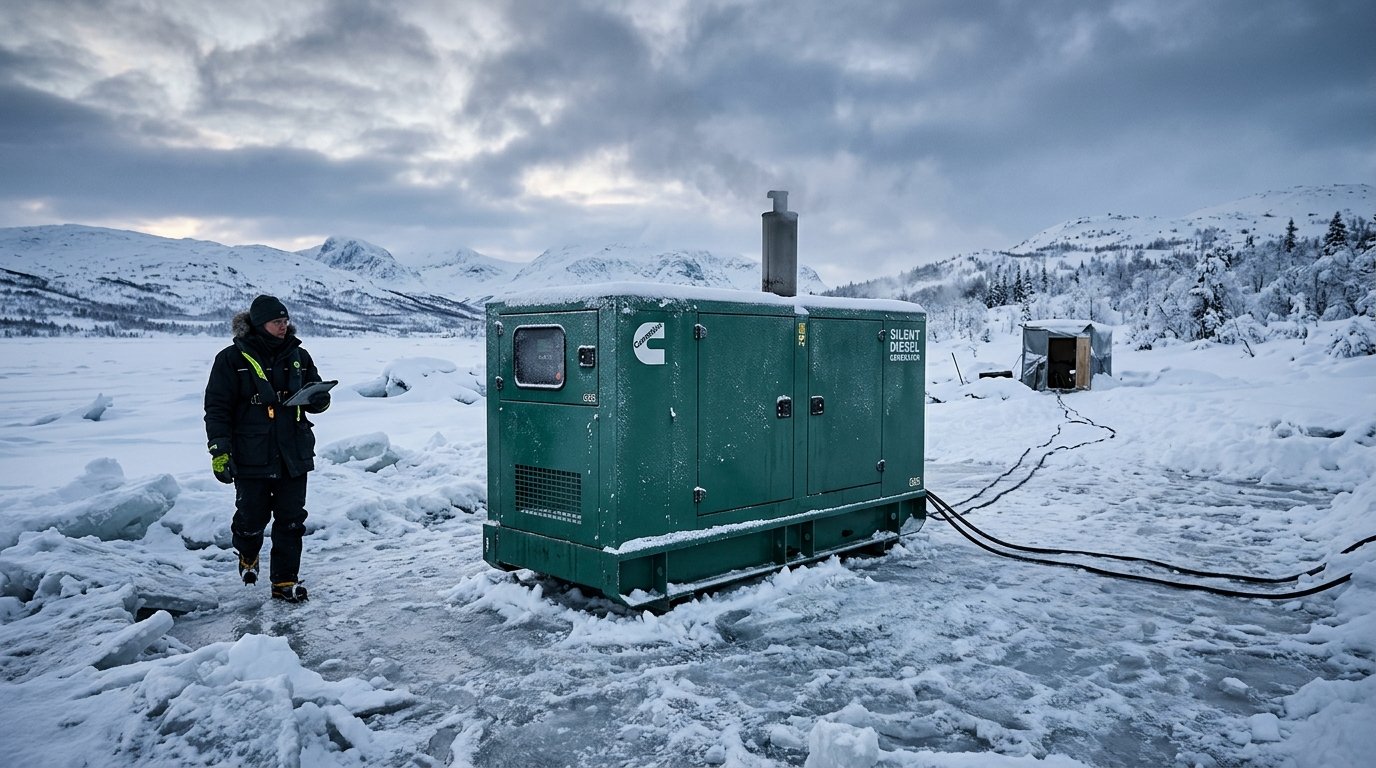

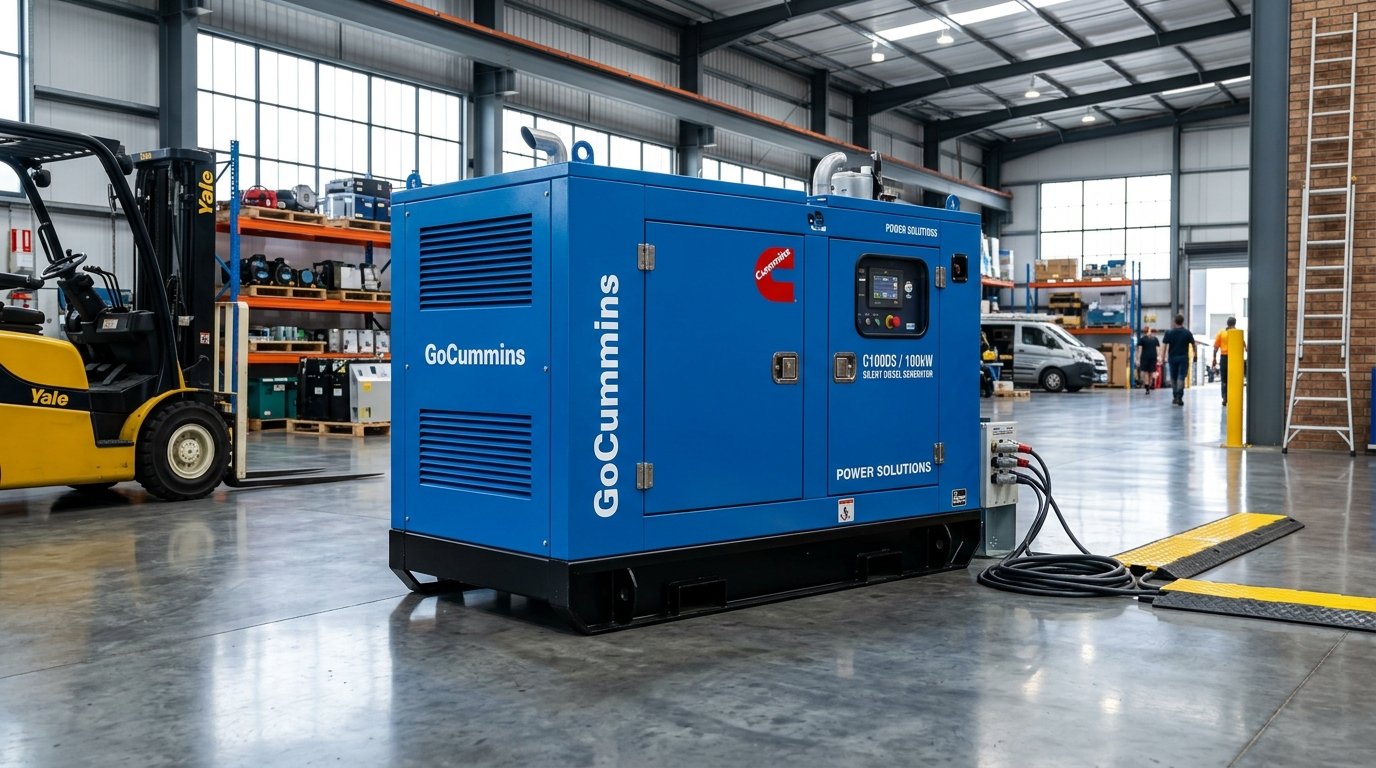
📅 Last Updated: January 25, 2026
Imagine this: The power goes out. Your warehouse is pitch black. Your frozen inventory is slowly turning into a science project. You finally get to your backup power, but you’re staring at that big, beautiful Cummins silent diesel generator like it’s an alien spacecraft. You know it’s a top-quality piece of engineering from my factory, but right now, it’s just a silent, 100kW paperweight. You feel the sweat dripping because your most assertive customer, let’s call him Mark Shenng from Canada, is about to call and demand why his shipment isn’t moving.
To start a Cummins generator, first perform a pre-start check of oil and coolant levels, ensure the battery is charged, and verify the emergency stop is pulled out. Turn the control panel to ‘Manual’ or ‘Hand’ mode, then press the green ‘Start’ button; the engine will crank and eventually stabilize at its rated speed. For fully automatic operation during a blackout, set the panel to ‘Auto’ mode, which allows the Automatic Transfer Switch (ATS) to handle the startup sequence instantly without human intervention.
Don’t let the technical jargon scare you. I’ve overseen five production lines at GoCummins for years, and I promise that starting these beasts is easier than convincing Mark Shenng to let you finish a sentence. Stick with me, and we’ll turn you into a generator expert in no time.
The Pre-Flight Checklist: Why You Can’t Just Push the Button?
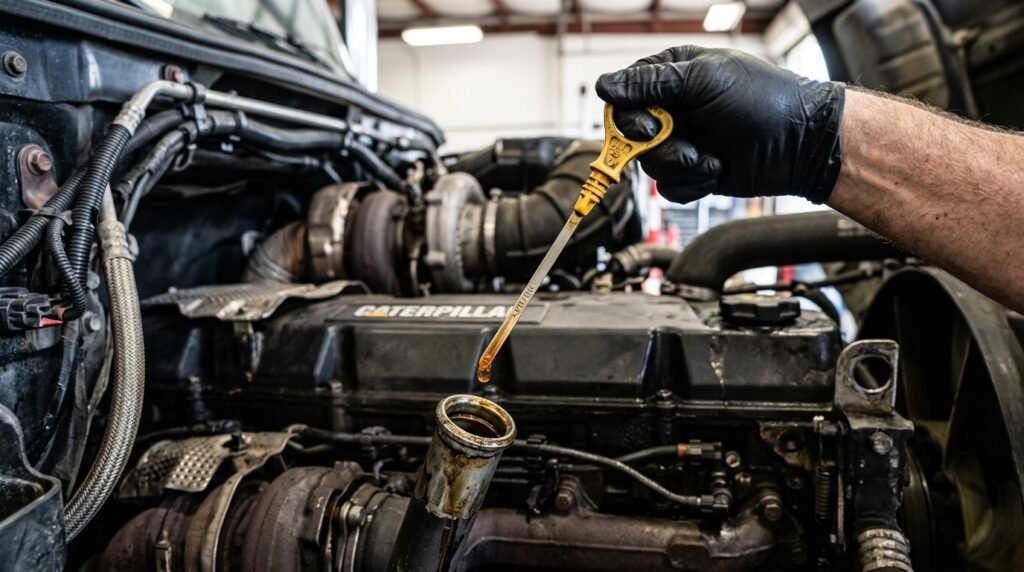
Listen, even if you’re a confident CEO who dominates every conversation, you can’t dominate the laws of physics. Before you even think about touching that green button, you need to verify the basics. Check your engine oil levels. We always recommend high-quality Cummins-approved lubricating oil to keep the pistons happy. If the oil is low, you’re looking at a very expensive metal statue instead of a working engine.
Next, check the coolant. North American winters are no joke, and if your coolant is a block of ice or simply missing, you’ll overheat the engine in minutes. Make sure you’re using a proper glycol-to-water ratio for your specific climate. I’ve seen factory shipments delayed because someone forgot to check the basics—don’t be that guy. Finally, make sure the fuel valves are open and your diesel meets ASTM D975 standards to ensure a clean combustion.
The Battery: The Heartbeat of the Start?
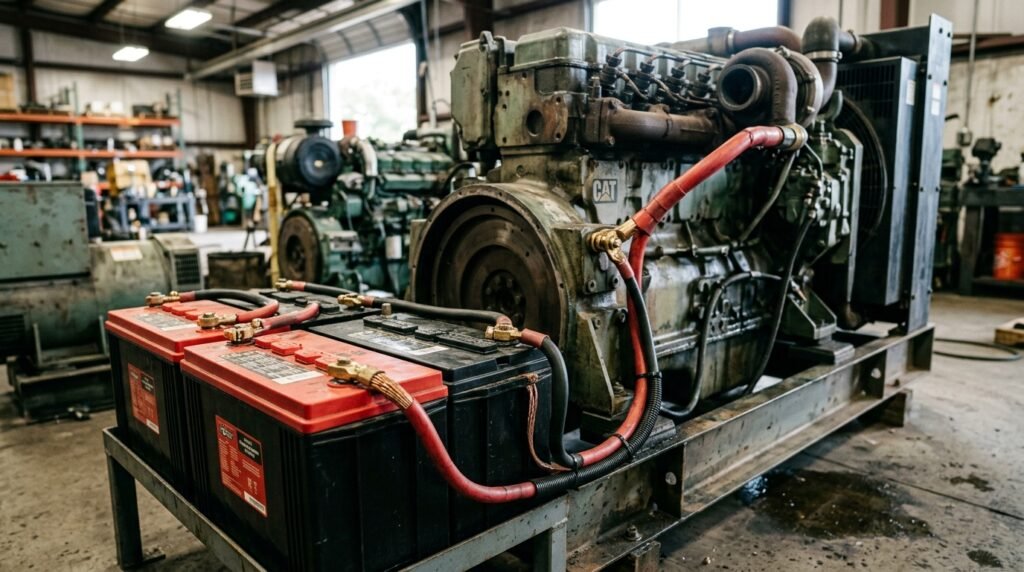
You could have the best engine in the world, but if your battery is dead, you’re going nowhere. A diesel engine requires a massive burst of energy to turn over, especially the 100kW units our friend Mark loves. Check your lead-acid battery voltage; it should be healthy and fully charged. If the connections are corroded or the terminals are loose, your startup will end with a sad “click-click” sound.
At GoCummins, we ensure our production lines use only heavy-duty cables, but it’s your job to keep them tight. A common pain point for distributors is receiving a unit and realizing the battery drained during the long sea voyage from China. Always give your battery a fresh charge before the first start. Think of the battery like your company’s cash flow—if it’s not charged up and ready to flow, the whole operation comes to a grinding halt.
Decoding the Control Panel: The Brain of the Operation?
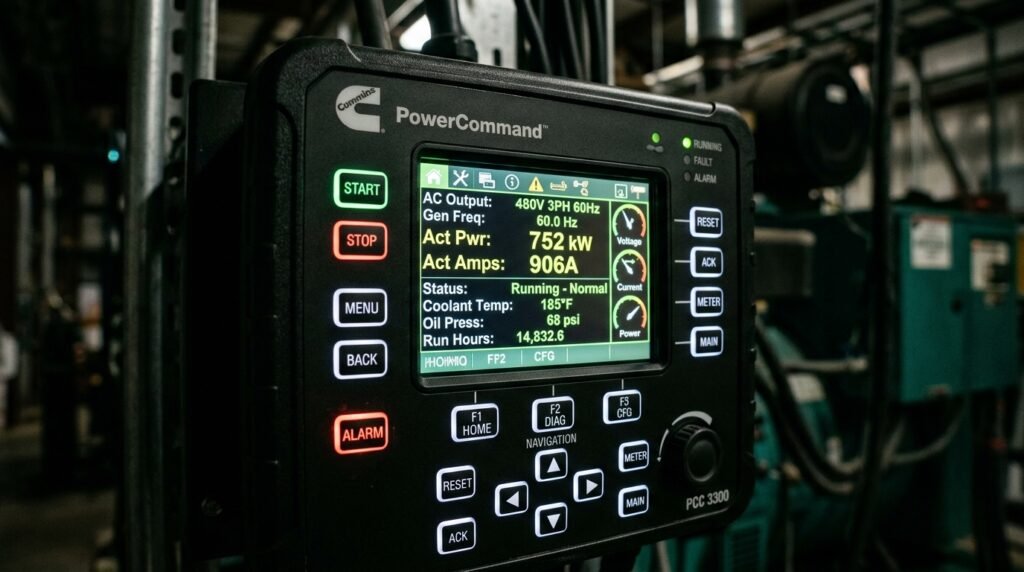
Most modern Cummins silent diesel generators come equipped with a PowerCommand Digital Control Panel. It might look like a spaceship dashboard, but it’s actually very intuitive. This panel monitors everything from oil pressure to frequency. If the screen is blank, check your fuses. If it’s flashing a red light, it’s trying to tell you something—likely that someone left the emergency stop button pushed in (a classic rookie mistake).
The panel usually has three main modes: ‘Manual’, ‘Off’, and ‘Auto’. For your first test, you’ll want ‘Manual’. This gives you full control. If you’re like Mark Shenng and you want to feel in charge, this is the mode for you. However, once the unit is tested and ready for real action, ‘Auto’ is where the magic happens. The panel will wait silently for the power to fail, then kick in like a superhero.
The Moment of Truth: Pushing the Green Button?
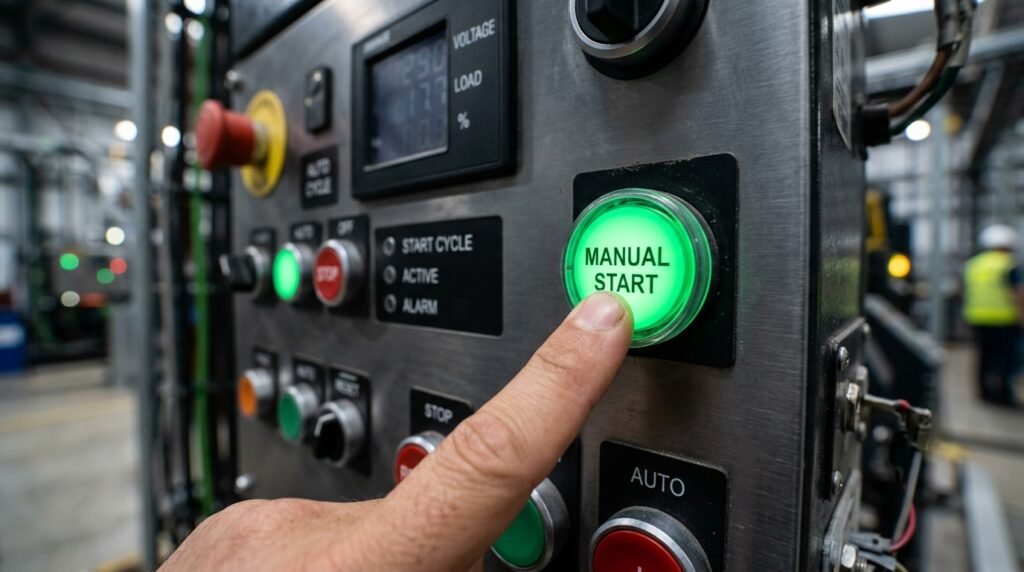
Now that the oil is checked, the battery is humming, and the control panel is in ‘Manual’, it’s time to start the engine. Press the green ‘Start’ button. You’ll hear the starter motor engage—this is the “cranking” phase. Depending on the temperature, it might take a few seconds. Most Cummins units have an automatic preheat cycle for cold mornings, which is a lifesaver for our customers in North America.
Once the engine fires, don’t immediately throw a massive 100kW load onto it. Let it warm up for a minute or two. This is called the “warm-up period.” It allows the oil to circulate and reach the optimal operating temperature. Listen to the sound of the engine; it should be a smooth, rhythmic roar, muffled perfectly by our GoCummins silent canopy. If it’s coughing or sputtering, you might have air in the fuel lines.
The Magic of ‘Auto’ Mode and the ATS?
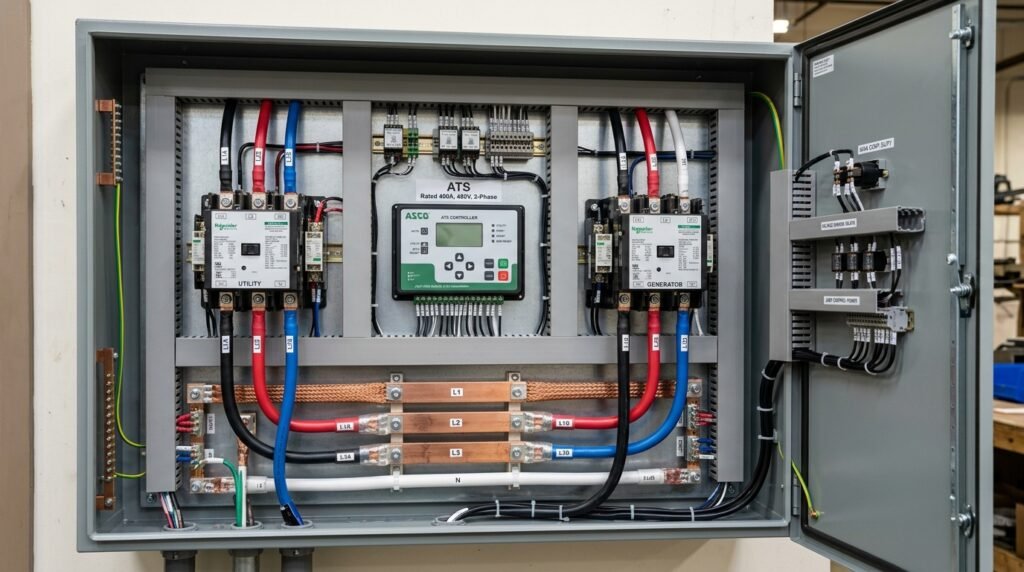
If you’re a busy company owner, you don’t want to be running out to a dark shed with a flashlight every time the grid fails. This is where the Automatic Transfer Switch (ATS) comes in. When you set your generator to ‘Auto’ mode, it enters a state of high alert. The ATS monitors the incoming utility power. When it sees the voltage drop below a certain threshold, it signals the generator to start.
The transition usually takes less than 10 seconds. In our factory, we test these cycles thousands of times. The ATS disconnects you from the failed grid and connects you to your GoCummins power source. It’s seamless, professional, and efficient—exactly how a business should be run. For customers like Mark who rebrand these units, the reliability of the ATS sequence is the number one selling point they use to justify their premium pricing.
Troubleshooting: Why Won’t it Roar?
If you’ve done everything right and the machine still refuses to start, don’t panic. Check the “Emergency Stop” button again—I’m serious, it’s the culprit 50% of the time. If the engine cranks but doesn’t fire, you might have air in the fuel system. This often happens if the unit has been sitting for a long time. You’ll need to prime the fuel system using the hand pump.
Another common issue is “Low Fuel Pressure.” If your fuel filters are clogged with sediment, the engine won’t get the juice it needs to run. We pride ourselves on the quality of our GoCummins components, but even the best filter can’t handle dirty diesel. If you’re getting an “Overcrank” error, it means the starter gave up after several attempts to protect itself. Take a breath, check your fuel lines, and try again.
Expert Advice from the Factory Floor?
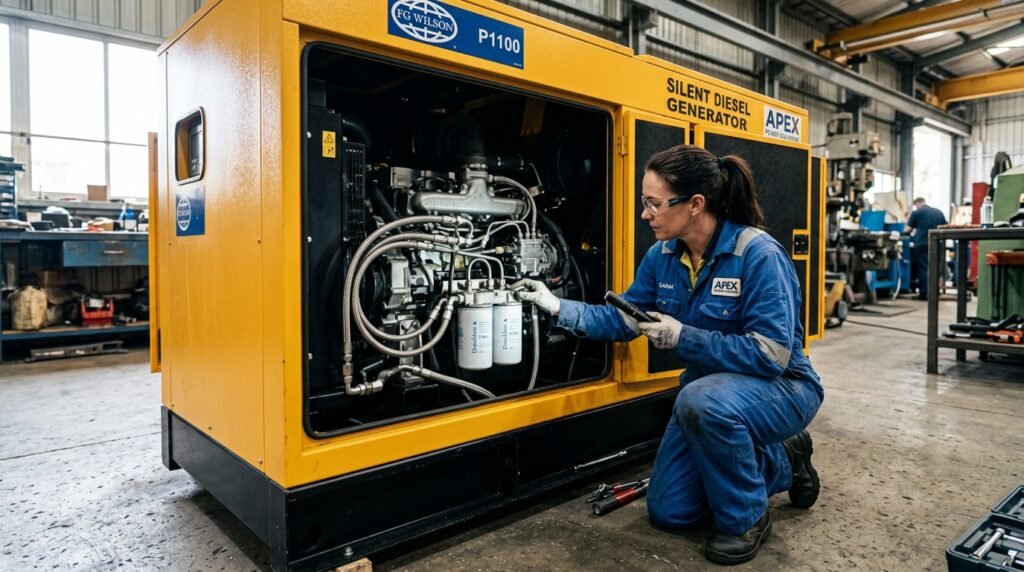
As the CEO of a factory with five production lines, I’ve seen it all. The key to a successful start is consistent maintenance. Don’t wait for a blackout to find out your battery is dead. Run your generator for at least 30 minutes once a month. This is called “exercising” the unit. It keeps the seals lubricated and ensures the fuel hasn’t turned into varnish.
For our wholesale partners in North America and the Middle East, we emphasize that quality inspection starts with the user. Follow the manual, keep the unit clean, and don’t take shortcuts on fuel quality. When you buy from GoCummins, you’re not just buying a machine; you’re buying our years of expertise. We make sure every unit that leaves our factory is ready to roar—it’s up to you to push the button correctly.

Final Thoughts for the Business Owner?
If you’re a distributor like Mark Shenng, your reputation depends on these units starting every single time. There’s no room for shipping delays or certificate forgery in our business model. We provide the technical support and the OEM quality you need to keep your customers happy and your margins high. Now that you know how to start a Cummins generator, you can talk to your clients with even more confidence.
Remember, a generator is like a good insurance policy—you hope you never need it, but you’re sure glad it works when you do. If you have more questions, my sales team at sales@gocummins.com is always ready to chat (though we might not be as witty as I am). Let’s keep the world powered, one Cummins start at a time.
Conclusion
Starting your Cummins generator is a simple matter of checking your fluids, ensuring your battery has a heartbeat, and following the digital prompts on the panel. With the right maintenance, your GoCummins unit will be the reliable superhero your business deserves during any power crisis. Happy starting!
FAQ: Starting & Operating Your Cummins Generator
Q: What should I check before starting my Cummins generator?
A: Complete the pre-start checklist: engine oil level (use Cummins-approved lubricating oil), coolant with the proper glycol-to-water ratio for your climate, fuel valves open with diesel meeting ASTM D975 standards, a fully charged battery with tight terminals, and the emergency stop button pulled out. GoCommins ships every unit with this checklist documented.
Q: How do I start the generator in manual mode?
A: Turn the control panel to ‘Manual’ or ‘Hand’ mode, then press the green ‘Start’ button. The engine cranks and stabilizes at its rated speed. Allow a warm-up period of one to two minutes before applying load so the oil circulates and reaches operating temperature.
Q: How does Auto mode and the ATS keep power flowing during a blackout?
A: Set the panel to ‘Auto’ and the Automatic Transfer Switch (ATS) continuously monitors utility power. When voltage drops below threshold, the ATS signals the generator to start and transfers the load in seconds — a seamless, hands-free transition. GoCommins factory-tests these start and transfer cycles thousands of times.
Q: Why won’t my generator start, and how do I troubleshoot it?
A: The number one culprit is the emergency stop button left pushed in. Also check battery charge and connections, air in the fuel system (prime with the hand pump), clogged fuel filters causing low fuel pressure, and ‘Overcrank’ errors after repeated failed starts. GoCommins technical support helps your team diagnose and resolve these fast.
Q: How should a generator be maintained between uses?
A: Exercise the unit for at least 30 minutes once a month under load to keep seals lubricated and prevent fuel from degrading. Keep the battery charged and terminals tight, especially after long sea freight. Follow the documented service schedule — GoCommins provides maintenance guidance with every genset.