
📅 Last Updated: January 25, 2026
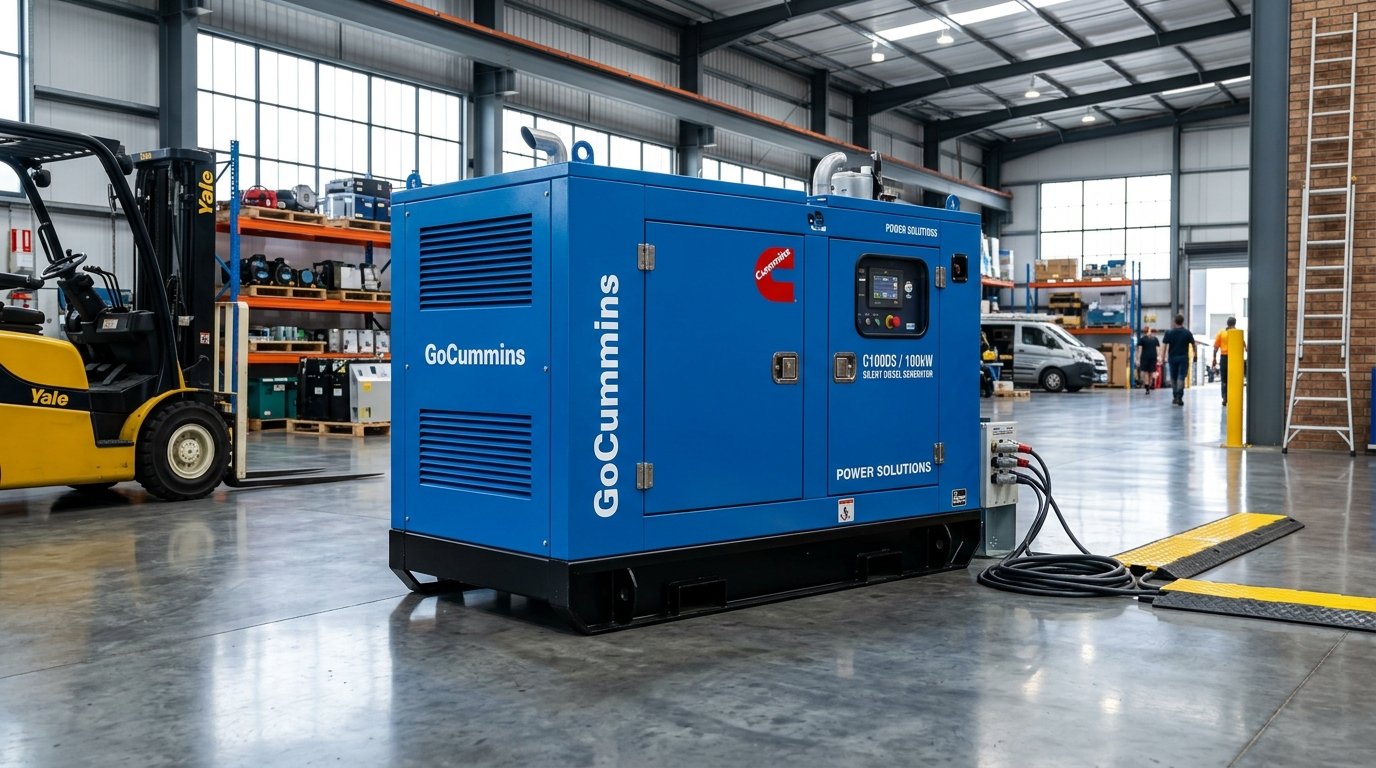
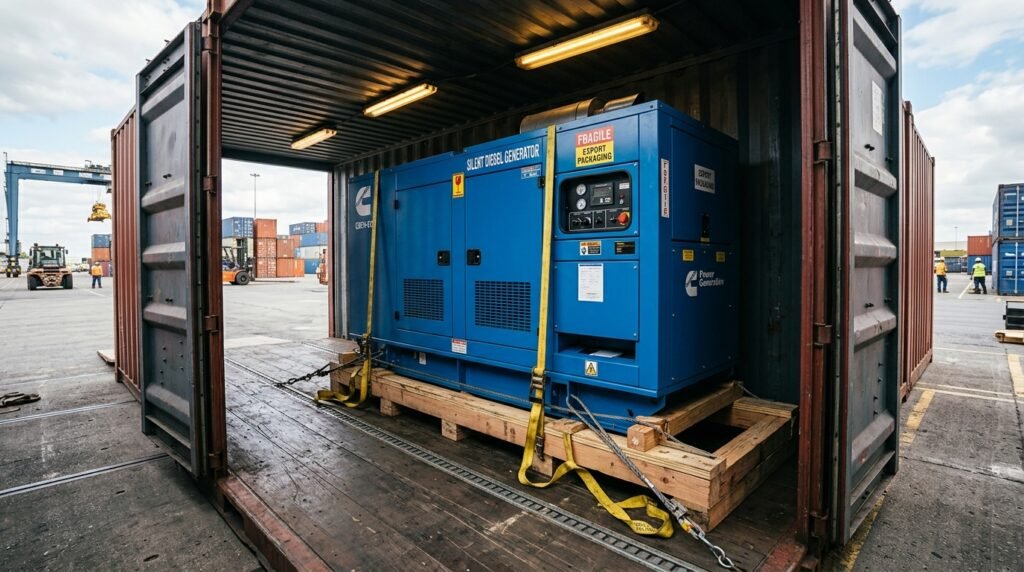
Imagine this: you’ve spent months negotiating a deal for a fleet of 100kW Cummins silent diesel generators. You’ve promised your client—an assertive, dominant personality like my friend Mark Shenng in Canada—that the units are “top quality.” The container arrives at the Port of Vancouver, and then… silence. Not the good, “silent generator” kind of silence, but the “customs has seized your cargo” kind of silence. The red tape in North America isn’t just a suggestion; it’s a high-voltage fence designed to fry anyone who tries to take a shortcut.
To successfully export Cummins silent diesel generator sets to North America, you primarily need EPA Tier 4 Final certification for emissions compliance, UL 2200 for safety standards in the United States, and CSA C22.2 No. 100 for the Canadian market. Additionally, if your units are heading to California, you must navigate the even stricter CARB requirements. Without these factory-verified credentials, your high-quality gensets are essentially expensive, 3,000-pound paperweights that will be denied entry, resulting in catastrophic shipping delays and missed peak sales seasons.
Don’t let the bureaucratic nightmare keep you up at 3 AM. I’m Alex Zhang, CEO of GoCummins, and I’ve overseen the production of thousands of units across our 5 production lines. I’m about to show you how to navigate this certification minefield so you can keep the Mark Shenngs of the world happy and your profit margins healthy.
What Exactly is EPA Tier 4 Final and Why Does it Feel Like a Personal Attack?
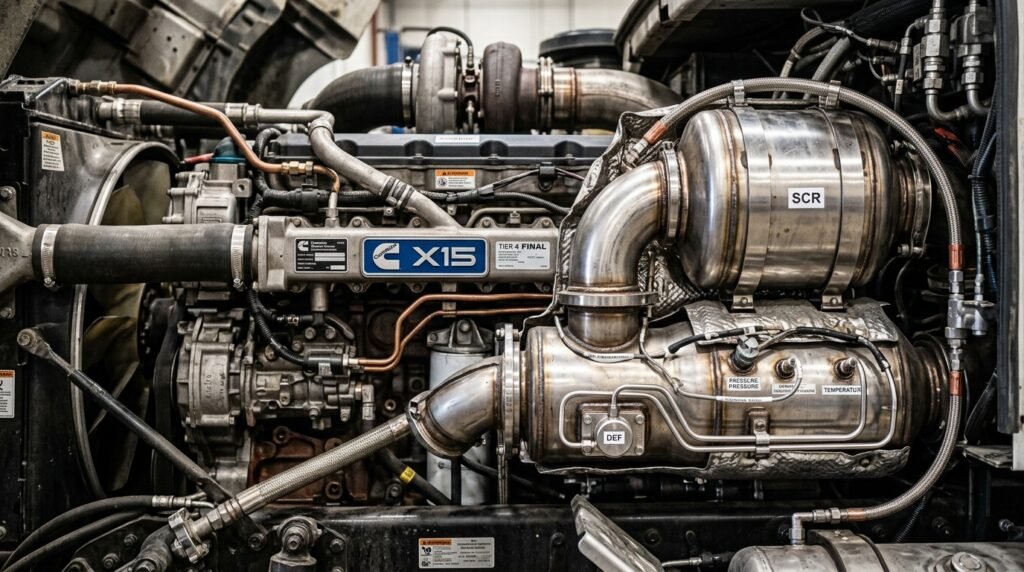
In the United States, the Environmental Protection Agency (EPA) is the undisputed king of the hill, and they do not care how many trade shows you’ve attended. If your diesel engine doesn’t meet EPA Tier 4 Final emission standards, it’s not crossing the border. This regulation is the most stringent in the world, requiring a massive reduction in particulate matter (PM) and nitrogen oxides (NOx). It’s not just a filter; it’s a complete overhaul of the exhaust system, often involving Selective Catalytic Reduction (SCR) and Diesel Particulate Filters (DPF).
I’ve seen suppliers try to “grey market” Tier 2 or Tier 3 engines into North America by mislabeling them as “stationary emergency” units. Trust me, US Customs officers have seen every trick in the book. As an authorized OEM manufacturer, we ensure our engines are factory-certified Tier 4 from the jump. If your supplier can’t show you the official EPA engine family certificate, they are gambling with your money. And in the B2B wholesale world, a gamble is just a fancy word for a future lawsuit.
Can a Generator Really be Illegal in America Without UL 2200?
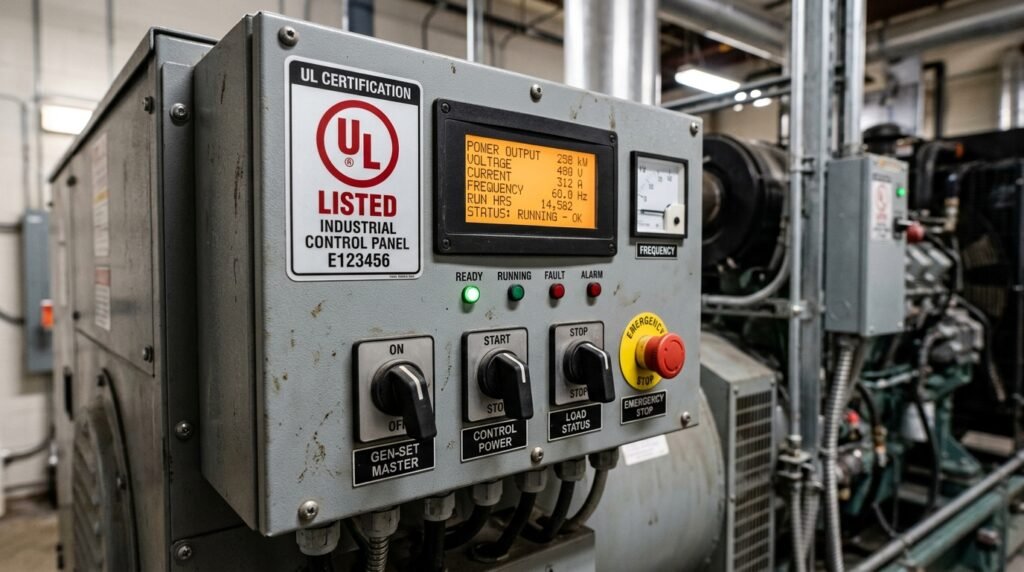
While the EPA cares about the air, the UL 2200 safety standard cares about whether your generator is going to turn your customer’s warehouse into a bonfire. Underwriters Laboratories (UL) evaluates the entire stationary engine generator assembly. This includes everything from the fuel system’s integrity to the electrical insulation of the alternator. In many US jurisdictions, an inspector will not even allow a generator to be wired into a building’s electrical system unless it carries the UL 2200 mark.
Many buyers like Mark Shenng understand sales but lack the technical expertise to realize that a “standard” control panel from China often won’t pass a UL audit. At GoCummins, we don’t just slap a logo on the box. Our 5 production lines are optimized to use components—like breakers and wiring—that meet National Electrical Code (NEC) requirements. If your supplier tells you “it’s basically the same thing as UL,” run. “Basically the same” is code for “I’m about to lose your deposit.”
Why is Canada’s CSA Certification Different from the US Standards?
You might think that because Canada and the US share a border and an obsession with ice hockey, their rules are the same. Wrong. If you’re shipping to a buyer in Toronto or Vancouver, you need to be intimately acquainted with CSA C22.2 No. 100. This is the Canadian equivalent of the UL standard, but it specifically addresses the Canadian Electrical Code (CEC). While there is some reciprocity (often seen as the cUL mark), a dedicated CSA certification is the gold standard for avoiding pushback from Canadian procurement officers.
Buyers like Mark Shenng are assertive because they have to be; they are rebranding these units and putting their own reputation on the line. They seek competitive pricing, but they are terrified of “certificate fraud” by suppliers. That’s why we provide verifiable CSA documentation for every Canadian-bound unit. When the shipment is 100% compliant, the communication becomes efficient, the logistics are smooth, and the “pain point” of delayed shipments disappears.
Does California Have its Own Set of Rules Called CARB?
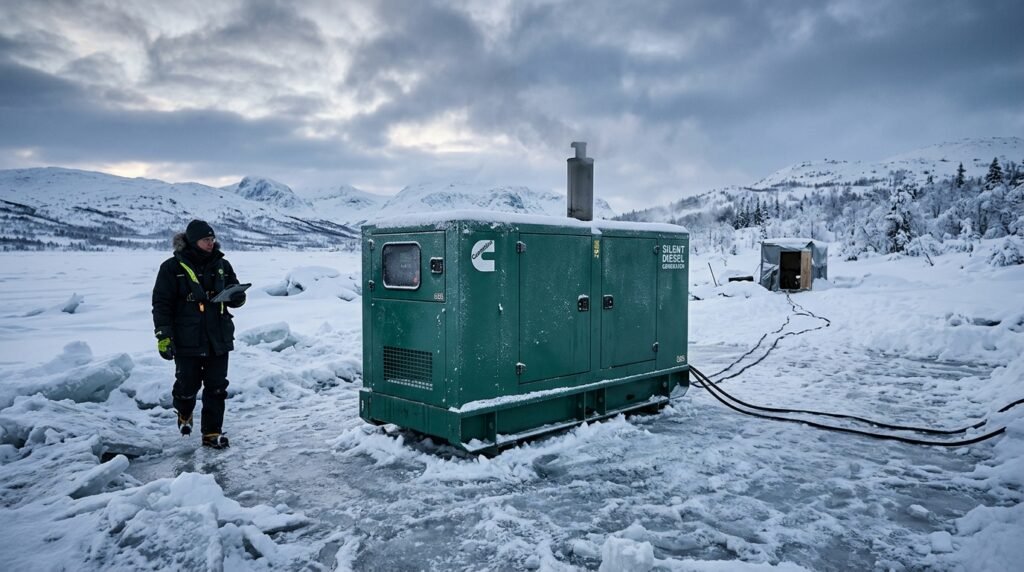
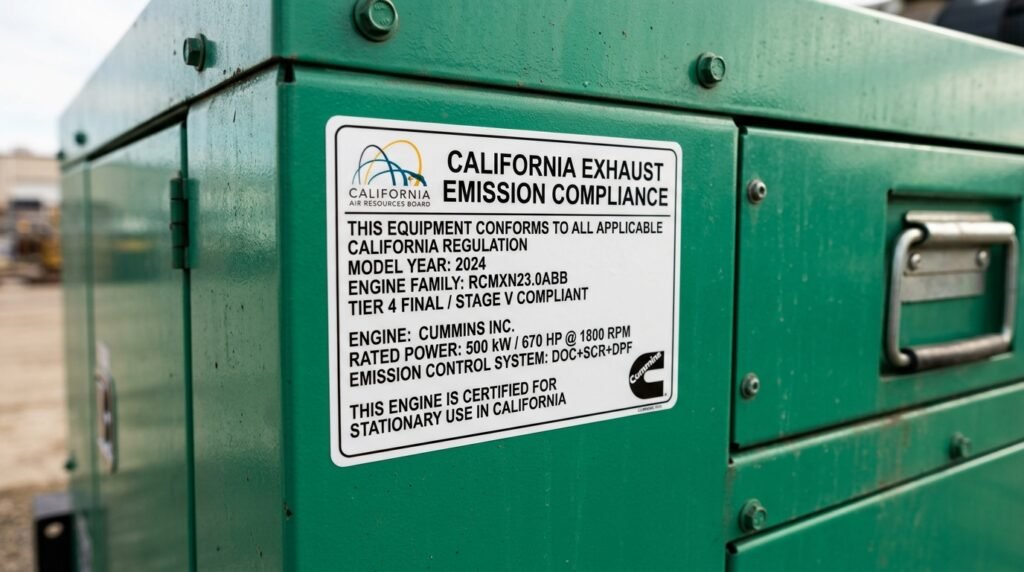
Oh, California. The land of sunshine, Hollywood, and the most bureaucratic air quality board on the planet: the California Air Resources Board (CARB). If you are exporting a Cummins diesel generator to California, being EPA-certified isn’t enough. You need to ensure the unit is “CARB compliant.” This often involves additional reporting, specific labeling, and sometimes even stricter emissions hardware depending on the local air quality district.
If you ignore CARB, you aren’t just missing a peak sales season; you are inviting massive fines. I’ve heard horror stories of distributors being shut down because they sold “EPA only” units into the Los Angeles basin. We educate our clients on CARB verification because we know that technical ignorance is the biggest threat to your business model. When we ship to California, we double-check the labels. It’s part of the “expert” service we provide to ensure you stay at the top of the supply chain.
Is “Silent” a Legal Term or Just a Marketing Lie in North America?
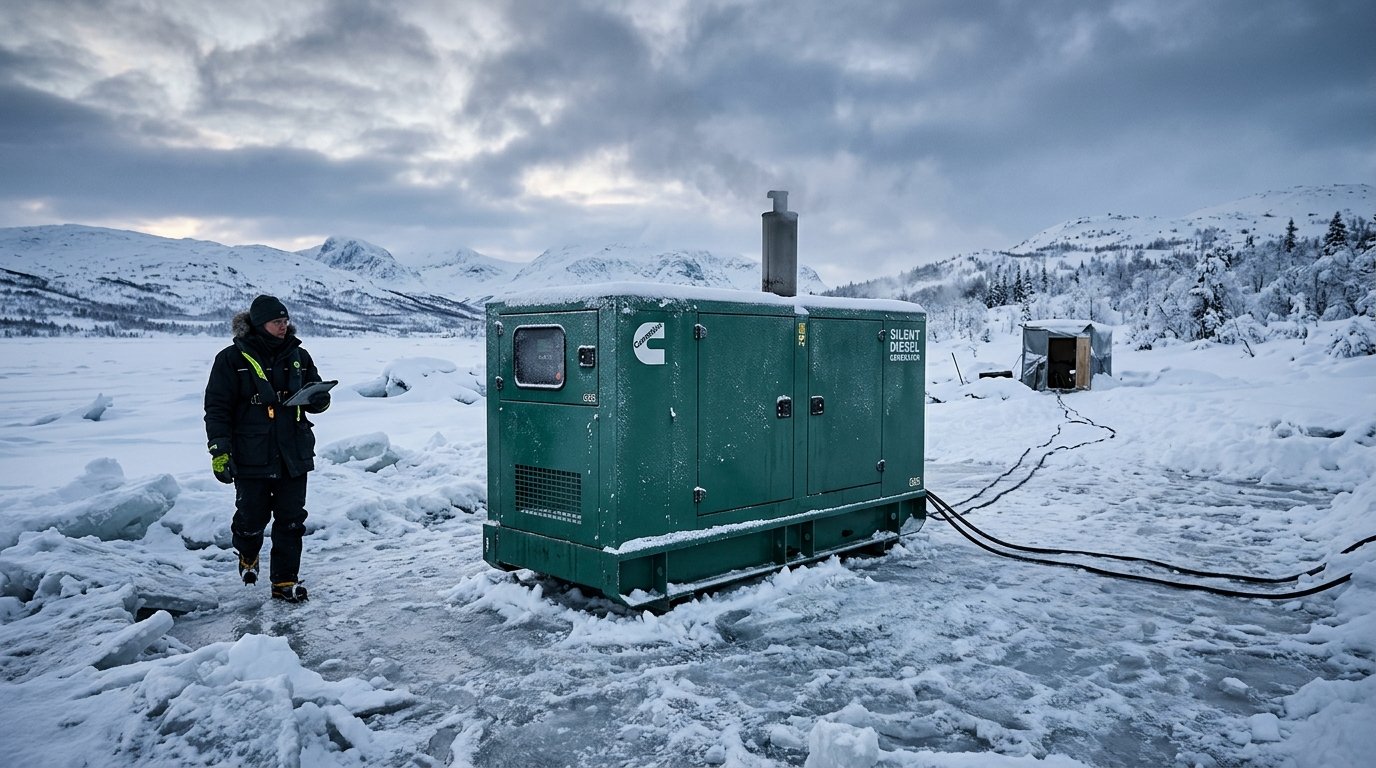
In the B2B world, everyone calls their generator “silent.” But in North America, “silent” actually has to mean something. Many cities have noise ordinances that require generators to stay below specific decibel levels—usually around 65-72 dB(A) at 7 meters—especially if they are near residential areas. If your “silent” generator sounds like a jet engine taking off, your customer is going to get a visit from local law enforcement and you’re going to get a very angry phone call from Mark Shenng.
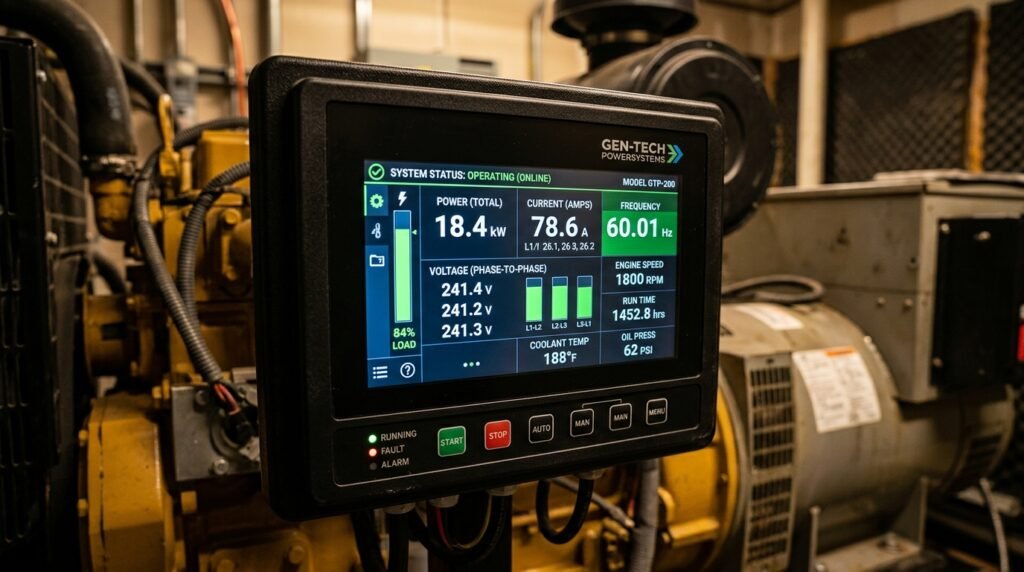
To pass these local inspections, our silent diesel generators use specialized high-density acoustic foam and advanced muffler systems. We also have to be careful about electromagnetic interference (EMI). The FCC Part 15 rules regulate how much “noise” the digital controller on your generator can emit. If your generator’s control panel messes up the neighbors’ Wi-Fi, you’ve failed compliance. We test for both types of “noise” before the unit leaves China.
How Do You Spot a Fake Certificate Before Customs Does?
The biggest pain point for guys like Mark is “occasional certificate fraud.” It’s a dirty secret in the industry: some suppliers will “borrow” a certificate from another factory and Photoshop their own name onto it. This works for about five minutes—until a Customs officer checks the UL Online Certifications Directory or the CSA Group Product Listing. If the certificate is fake, the shipment is seized, and you are blacklisted.
As a CEO, I tell my team: “Honesty is the only way to scale.” We are an authorized Cummins OEM, and our credentials are publicly verifiable. Before you pay a deposit to anyone, ask for their UL file number or CSA master contract number. Then, go to the official websites and verify it yourself. If the supplier gets defensive or says “it’s in our other office,” they are lying. Period. Don’t let a forged document ruin your distribution business.
Conclusion
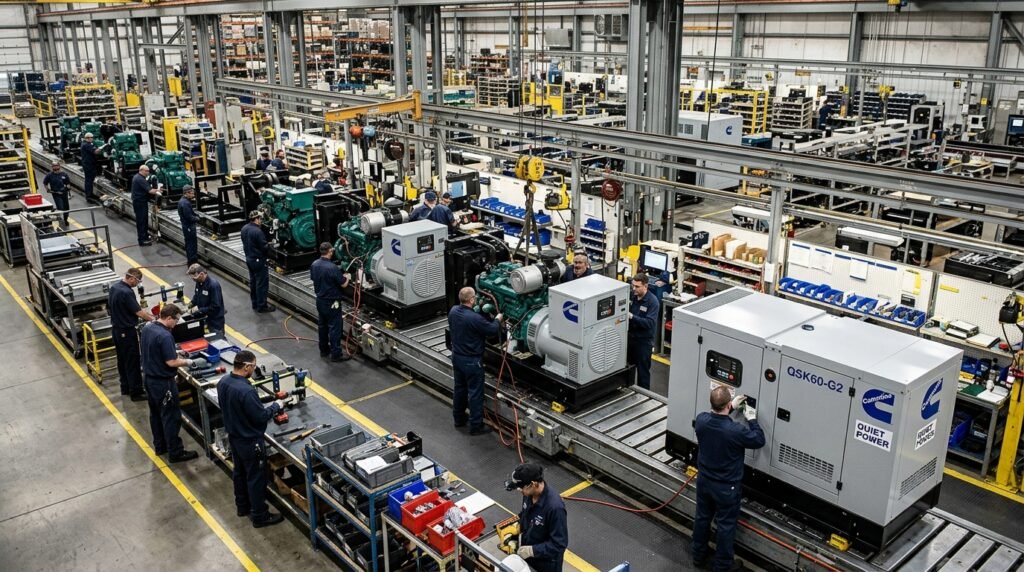
Exporting to North America isn’t just about making a sale; it’s about checking every box. From EPA Tier 4 to UL 2200 and CSA standards, compliance is your ticket to a profitable, long-term partnership. Stick with a factory that knows the tech as well as the sales, and you’ll never have to explain a seized container again.
That’s the GoCummins way—expert, honest, and Mark Shenng-approved. Now, let’s get those generators moving!
FAQ: North American Import & Certification Compliance
Q: What certifications do Cummins generators need for import into North America?
A: For the US, EPA Tier 4 Final emissions compliance and UL 2200 safety certification are required; for Canada, CSA C22.2 No. 100 applies. Shipments to California must also meet stricter CARB requirements. Without these factory-verified credentials, gensets can be denied entry at customs, causing catastrophic delays. GoCommins builds compliance into every unit for the North American market.
Q: What happens if a generator arrives at customs without the right certification?
A: The unit can be seized or held until compliance is proven, leading to demurrage charges, missed peak sales seasons, and damaged distributor relationships. GoCommins ships every North America-bound genset with the required emissions and safety documentation so your cargo clears without surprises.
Q: Is EPA Tier 4 Final the same everywhere in the US?
A: EPA Tier 4 Final is the federal standard, but California enforces additional CARB regulations that are stricter in several respects. Importers must verify the engine tier, model year, and compliance path for the destination state. GoCommins guides buyers through the correct configuration for their target market.
Q: Can I import a used or “gray market” Cummins generator to avoid certification costs?
A: Gray market units frequently fail customs inspection, face engine tier restrictions, and carry no warranty or factory support — a false economy. Authorized factory-built units with proper EPA/UL/CSA documentation are the only safe path for B2B importers. GoCommins is an authorized manufacturer, so your paperwork is factory-verified.
Q: How does GoCommins help distributors with North American compliance?
A: GoCommins produces units with the correct engine tier, UL 2200 / CSA C22.2 No. 100 coverage, and full factory documentation, and we advise on CARB for California-bound orders. Distributors receive compliant, ready-to-import gensets that protect their brand and margins.