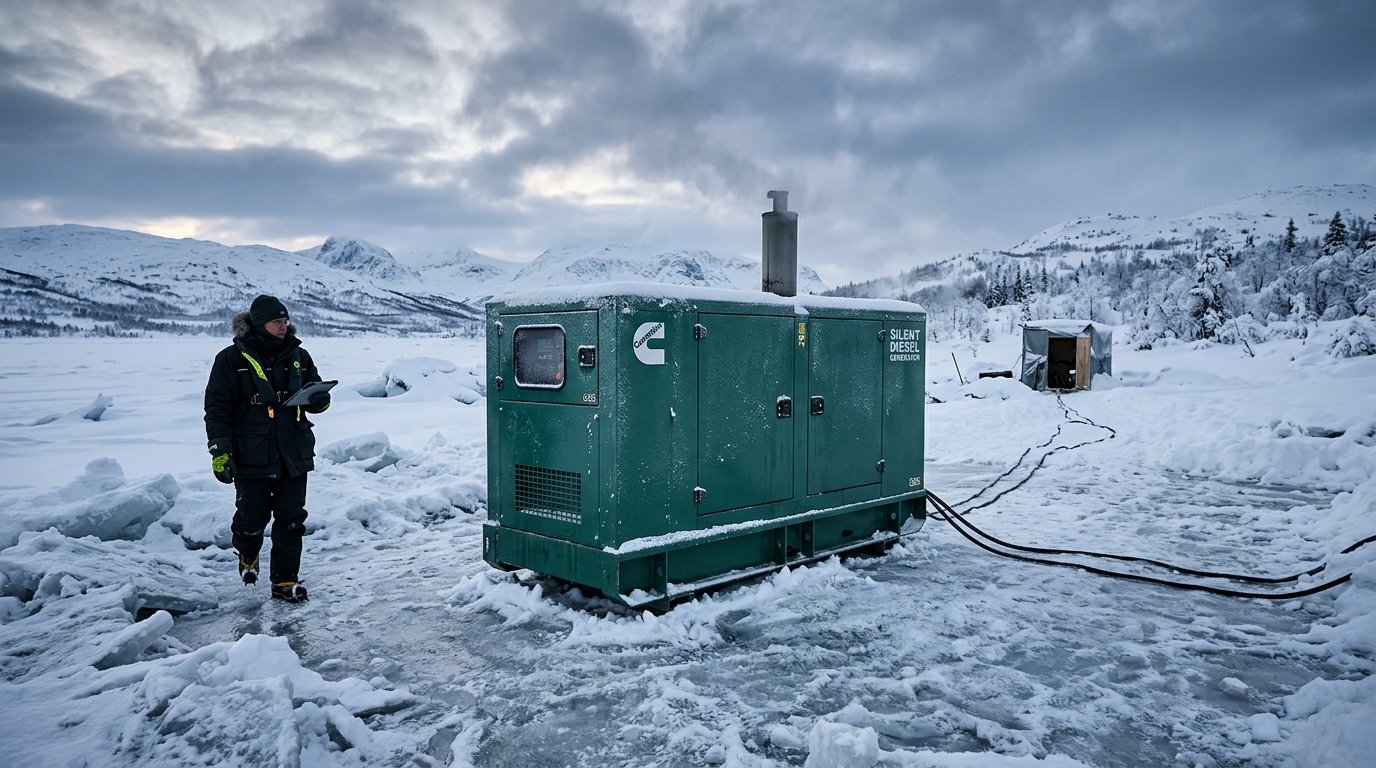

A quotation promising hours of generator operation can sound wonderfully reassuring. Then you discover that the promise assumes a different load, a completely full tank and a fuel delivery that cannot reach your site. The bargain suddenly needs a logistics department. I want our buyers to settle those assumptions before ordering. At GoCummins, I recommend specifying fuel autonomy as an operating requirement, supported by usable fuel quantity, relevant consumption evidence and a practical plan for keeping the machine supplied reliably.
I specify generator fuel autonomy by stating the required operating period, load profile, starting fuel level, usable quantity, reserve policy and whether replenishment is allowed. I then ask the supplier to show the consumption basis and proposed fuel arrangement against those conditions. Tank capacity alone cannot define the result. We also allocate responsibilities for delivery access, transfer equipment, fuel quality and acceptance evidence. The project engineer reviews technical suitability, while procurement makes the assumptions visible in the quotation and order.

I am Alex Zhang. Here is my purchasing checklist for agreeing fuel autonomy without confusing a tank size with a runtime promise, or leaving the refuelling plan to optimistic guesswork.
What operating period must the fuel supply cover?
Start with the period your facility needs to operate and the loads it must support. Separate operation without refuelling from operation supported by deliveries. Cummins' 2015 application manual connects tank sizing with consumption, expected outage duration and fuel delivery availability. I use that as background guidance, not a statement of today's local requirements. Ask your project engineer to identify any mandatory duration and the applicable project basis before suppliers propose a fuel arrangement.

Give bidders a load schedule rather than one mysterious average. Describe which loads run continuously, which appear during particular periods and which can be disconnected. If the actual duty remains uncertain, request clearly identified scenarios for review. Do not let a supplier silently choose the lightest case. For planned industrial operation, include the expected shift pattern and replenishment window. For standby operation, discuss the disruption you are planning around. An outage rarely consults the purchasing team's preferred calendar.
How much of the quoted tank capacity is available?
Ask the tank supplier to distinguish nominal volume, permitted filling level and the quantity available for the agreed operating interval. Request the proposed tank drawing and an explanation of the start and end levels used in its calculation. Cummins' application manual discusses expansion space in fuel tanks. I therefore want the actual supplied tank's usable quantity confirmed, rather than assuming every advertised litre can be consumed. The relevant manufacturer and project engineer should establish the limits for the specific arrangement.
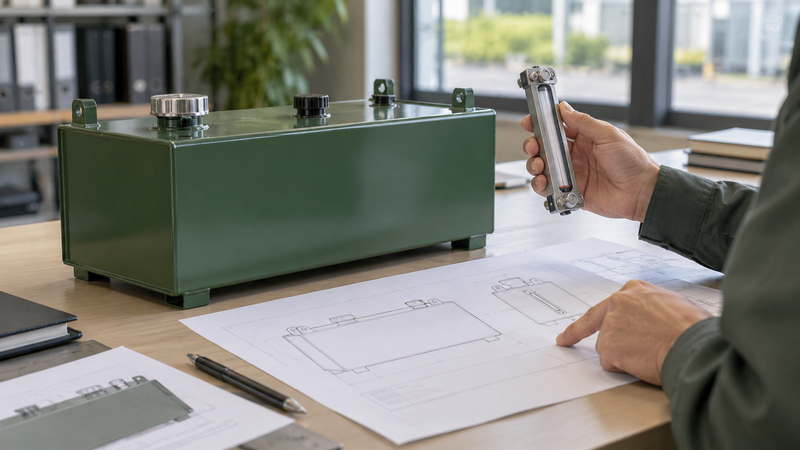
State how the reserve is treated. Is it protected fuel remaining after the required operating period, or already included within the quoted autonomy calculation? Ask the supplier to show it separately, without counting the same allowance twice. Also identify how normal site practice will maintain the agreed starting level. A tank that can hold the required fuel does not mean it will contain that quantity when needed. Our order should make the operating assumption explicit and name its owner.
Which consumption figures belong in my calculation?
Request fuel consumption information for the offered engine and generating set configuration, at the relevant duty and load conditions. Identify the document revision, units and any qualifications. A Cummins engine designation helps identify the engine; the complete GoCummins generating set still needs its own configuration record. Ask the supplier to explain how its evidence supports the quoted arrangement. A number borrowed from another rating, frequency or engine variant should remain a question until its relevance has been demonstrated.

For a constant operating condition, dividing the agreed fuel quantity available for operation by the corresponding consumption rate gives a planning estimate of duration. For a changing load, ask for a calculation across the agreed operating periods instead. Keep any reserve outside the consumed quantity if that is the agreed policy. Have the engineer review the method and assumptions. We should distinguish an estimate from an evidenced contractual commitment. Decimal places can make weak assumptions look impressively well dressed.
Does the plan depend on refuelling or fuel transfer?
If deliveries form part of the autonomy plan, identify the delivery lead time assumption, access route, receiving arrangements and responsible contact. Ask the site team what happens when access is restricted or the expected delivery is delayed. Decide which scenario the purchase must address. Do not assume that buying a larger tank resolves every supply problem. I want the proposed refill arrangement reviewed alongside the site's operating procedures and the requirements identified by its responsible engineering and operations teams.
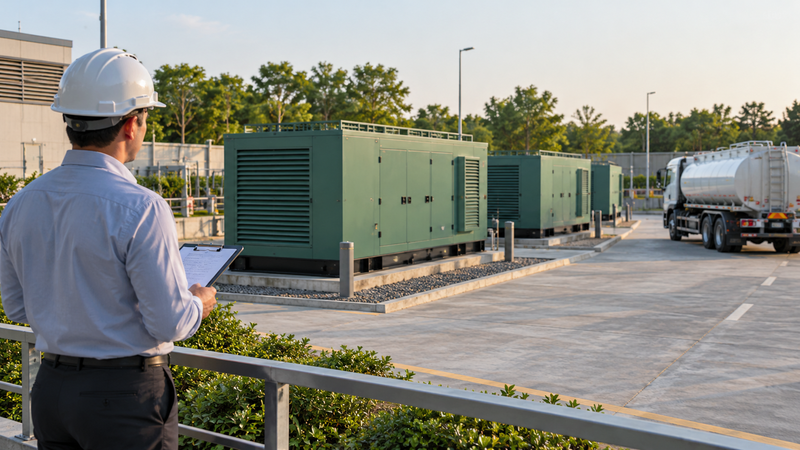
For an external supply arrangement, list the tank, transfer equipment, controls and connecting work included in each party's scope. The Cummins manual's fuel piping guidance distinguishes maximum fuel flow from fuel consumption when sizing supply connections. That is an engineering design issue, not a reason to select piping from the runtime calculation. Request the applicable engine data and a coordinated design review. Confirm who provides the required drawings, installation work and checks for the actual site configuration.
How will the stored fuel remain suitable for use?
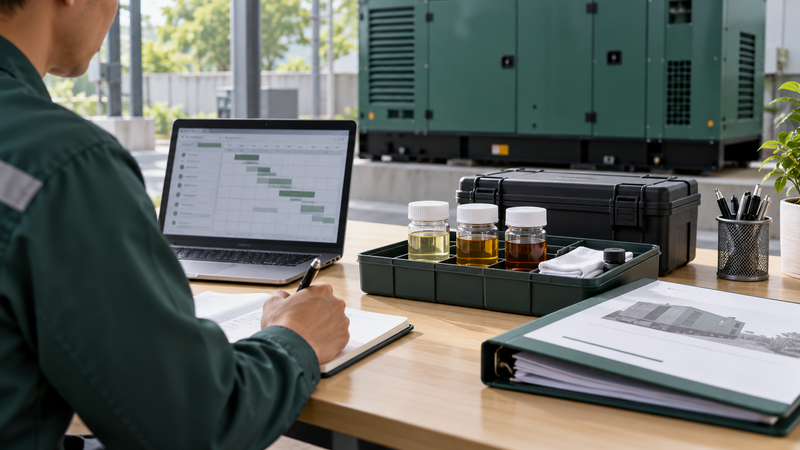
Fuel availability includes fuel condition. Cummins' storage and transfer guidance identifies storage and handling as contamination opportunities, and calls for suitable equipment and maintenance. I ask the buyer to name the owner of the fuel management plan. Include the proposed approach to inspections, cleaning, sampling and records, with intervals established from the applicable guidance and local operating conditions. We should agree the responsibilities rather than promise one universal storage life for every fuel and climate.

Specify what fuel will actually be supplied locally, including any blend information available from the fuel provider. Cummins' standby biodiesel white paper discusses storage concerns and directs readers to engine specific fuel requirements. I request confirmation for the particular engine and operating conditions. I would not copy an approval from an unrelated model or assume every diesel description means identical fuel. Have the supplier identify the applicable guidance, then agree how the site team will maintain the fuel throughout service.
What should suppliers quote and demonstrate?
Ask suppliers to return a fuel autonomy statement identifying the application, load assumptions, duration, tank arrangement, usable quantity and reserve treatment. Include the supporting consumption reference and a separate list of exclusions. The short RFQ table below helps compare responses on one basis. For acceptance, agree how quantities, documents and relevant functions will be verified, and which checks require the installed system. Define the responsible reviewer and evidence format. A purchasing article should not invent a live fuel system test procedure.
| Buyer states | Supplier returns |
|---|---|
| Operating period and load profile | Calculation assumptions and consumption reference |
| Required reserve policy | Usable quantity and reserve treatment |
| Refuelling permitted or excluded | Tank arrangement and scope boundaries |
| Site fuel and access conditions | Open questions and required reviews |
| Acceptance requirements | Proposed evidence and responsible parties |
For an enquiry about our 200kW Cummins-powered generator, send the intended operating period and the best load information available. Tell us whether fuel must last without replenishment or whether an external system is planned. Contact GoCummins with the destination, site arrangement and your required evidence. Ask us to identify missing inputs before making a runtime commitment. Put the accepted calculation basis and supplier boundaries into the order, then review changes whenever the load, tank or operating plan changes.
Conclusion
I buy a documented fuel supply plan, not an isolated number of hours. Agree the duty, usable quantity, consumption basis and replenishment assumptions. Send those requirements with your enquiry. We can then review an autonomy proposal that means the same thing to everyone involved.