
Buying a generator by its biggest power number is tempting. I understand the appeal: a neat figure makes a messy purchase look simple. Then the operating schedule changes, the supplier mentions standby duty, and your production manager starts asking uncomfortable questions. An unclear rating can leave buyers comparing different promises while believing they bought identical equipment. At GoCummins, I recommend writing the operating job into the enquiry first. We can then discuss a Cummins-powered package against requirements everyone can review.
We should specify the intended duty, expected operating hours, load profile, electrical requirements and site conditions before requesting a prime or standby offer. I ask suppliers to identify the complete generator model, the exact rating definition and its operating limitations in writing. We then compare output on the same basis, rather than treating an engine designation or a larger standby figure as proof of suitability. The purchase order should preserve those assumptions, with review completed before we approve the equipment.

I am Alex Zhang. Here is how I turn a confusing rating discussion into a usable purchasing brief, without requiring every buyer to become an electrical engineer before Monday morning.
What will the generator actually do during a normal year?
I begin with a short operating story. Is utility power normally available? Will the generator cover interruptions, support scheduled production, or supply a remote site? Estimate annual hours, the longest expected running period and the pattern across shifts. Separate what you know from what you assume. A factory with occasional outages and a construction camp running daily deserve different conversations, even when their requested power numbers match. My first question is therefore about the calendar, not the catalogue cover.

I also ask what could change after delivery. A distributor may sell the same enclosure style into several applications. An industrial owner may add another shift or move equipment to a different site. We should list those possibilities before selecting a rating. If future use remains uncertain, request a separate assessment for each realistic scenario. I prefer a quotation with visible assumptions to a reassuring email that says the machine can do everything. That email rarely volunteers to run the night shift.
How should I distinguish prime power from standby power?
Cummins' 2017 explanation of generator ratings distinguishes emergency standby, prime and continuous operating categories. Standby addresses backup duty; prime addresses a different operating task, including variable loads. Continuous power is a separate category associated with constant loads. I therefore avoid using prime and continuous as interchangeable purchasing words. These are useful starting concepts, but an older training presentation is not the governing datasheet for the particular complete generator we order.

I ask the supplier to name the applicable definition, document revision, permitted operating conditions and any restrictions on hours, average loading or overload. We should also obtain the offered warranty terms for our declared application. I do not assume every product shares one universal allowance. If an offer uses a special manufacturer rating, I want its full explanation attached. A label saying prime is useful only when the accompanying definition matches the job we described and the supplier confirms that match.
Which load details matter beyond the headline kW figure?
I request an equipment schedule showing running demand, power factor where known, starting method and which loads operate together. Kilowatts describe real power; kVA represents apparent power. The relationship is kW = kVA × power factor, explained in Cummins' T-030 application manual, Issue 9, February 2015. For example, 250 kVA at 0.8 power factor equals 200 kW. That calculation does not tell us whether the quoted output is prime or standby. I keep those two questions separate.

Starting behaviour deserves its own line in my enquiry. The same application manual discusses motor starting and load sequencing as sizing inputs. We should identify the largest starting event, loads already connected and any sensitive equipment requiring engineering review. I ask the supplier to state the proposed starting sequence and the basis of its selection. Adding the running nameplates alone can miss the actual selection problem. A larger catalogue number also cannot replace a documented assessment of the proposed load steps.
Can the site change the output available to my business?
I put site elevation, ambient temperature range and installation arrangement beside the electrical schedule. Cummins' T-030 manual explains that altitude and temperature affect generator performance. We should ask for available output under our declared conditions, with any reductions and assumptions clearly stated. I also request the basis for cooling and ventilation review. A rating quoted at reference conditions should not quietly become our promise of usable site output. Our engineer needs the actual package information before accepting the selection.

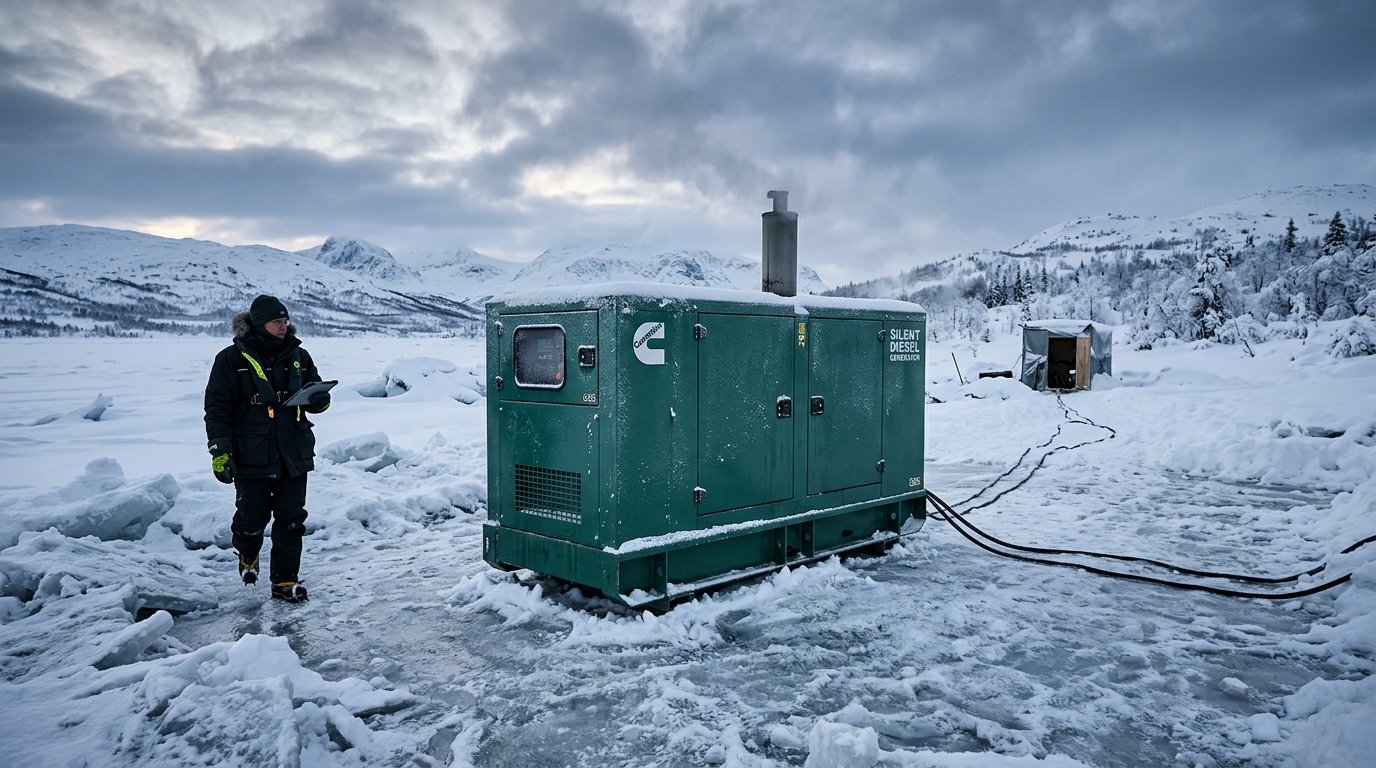
For a silent set, I treat the enclosure as another specification to review. I request the proposed installation drawing, access requirements and the stated basis for any acoustic claim. If noise evidence is supplied, we should identify its test conditions and what it represents. I do not turn the word silent into a guaranteed number. At GoCummins, we discuss customization against the project brief. We should agree which enclosure, cooling arrangement and accessories are included before approving that brief.
Whose rating am I buying: the engine or the complete set?
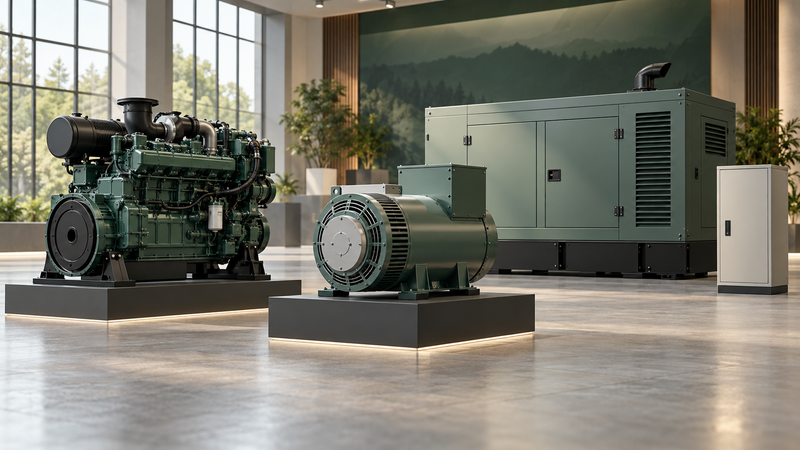
I distinguish the Cummins engine from the assembled generator set. My document request identifies the set assembler, complete model, engine, alternator, controller and relevant datasheet revisions. An engine model alone does not establish the output of the assembled package. I ask who takes responsibility for selection and technical confirmation. Cummins PowerSuite provides sizing and specification resources; its availability does not validate every independently assembled package. We still need evidence applicable to the exact configuration being offered, followed by our own engineering review.
How do I keep competing offers and reseller promises aligned?
I compare offers using one shared RFQ revision. My review columns are duty definition, declared site output, load assumptions, equipment configuration, included scope and unresolved questions. If one offer states only standby output while another states prime output, I request clarification before comparing prices. We can then decide whether the packages meet the same purchasing brief. Where suppliers propose alternatives, I keep them on separate lines. A useful comparison should expose differences instead of hiding them inside a single attractive total.
For private-label distributors, I recommend carrying the agreed duty description into the customer handover documents. We should not advertise an occasional backup package as suitable for unrestricted production simply because the larger number looks better on a brochure. I ask our sales and technical teams to use the same approved configuration sheet. If an end customer changes the application, reopen the selection review. Clear communication protects the buyer, the reseller and the supplier from arguing about three different interpretations after shipment.

What should I send before asking for a firm quotation?
My RFQ checklist is straightforward: destination and application; utility availability; annual hours and longest run; variable or steady loading; equipment schedule and starting sequence; voltage, frequency and phases; site conditions; enclosure requirements; exact rating definition requested; and the documents needed for approval. If you are considering our 200kW Cummins-powered generator, use that page as a discussion starting point, then request duty confirmation for your project. Send us your operating brief and mark unknowns honestly. A question mark is cheaper than a mistaken assumption.
Conclusion
I choose the operating job before the power label. Give every supplier the same brief, obtain the exact rating definition and confirm the complete package for the site. We can negotiate price more confidently once everyone is quoting the same promise.