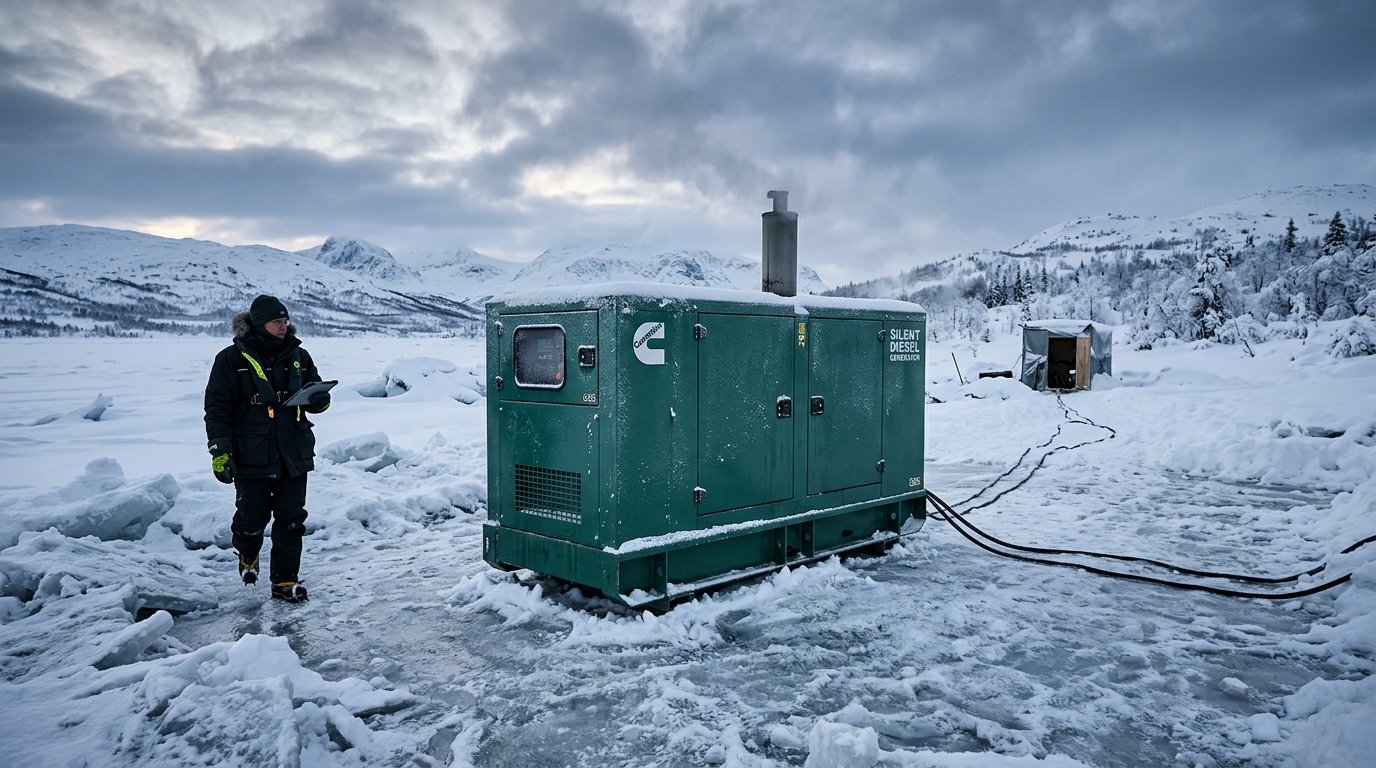

Buying a generator with the wrong frequency can turn an ordinary import order into an expensive coordination problem. The quotation looks convincing, the enclosure fits, and everyone assumes the destination settles the electrical details. Then the project engineer asks which supply the equipment actually needs. I prefer answering that question before production starts. At GoCummins, I ask buyers to confirm the site requirements, the exact generating set configuration and the evidence that connects both, before treating either frequency as approved.
We should confirm the required output frequency at the installation, the matching voltage and phase arrangement, and the exact generator configuration offered for that combination. I ask for the engine speed, alternator winding and connection details, controller settings, applicable rating documents and a written acceptance plan. A country name, a controller frequency range or an optional setting does not establish complete set compatibility. We should approve a documented configuration, then verify that the delivered equipment matches the same agreed revision.

I am Alex Zhang. Here is how I turn a fifty or sixty hertz discussion into a purchasing decision, without expecting a sales brochure to perform electrical engineering for us.
Which frequency does the actual installation require?
I start with the electrical requirements at the actual connection point. Ask the responsible project engineer for the specified frequency and an approved electrical brief or single-line diagram. Identify whether the set will serve an existing installation, a new project or equipment being relocated. A country name helps with delivery planning, but it cannot replace that site confirmation. I want the buyer, supplier and engineer working from the same written requirement before the quotation becomes a purchase order.
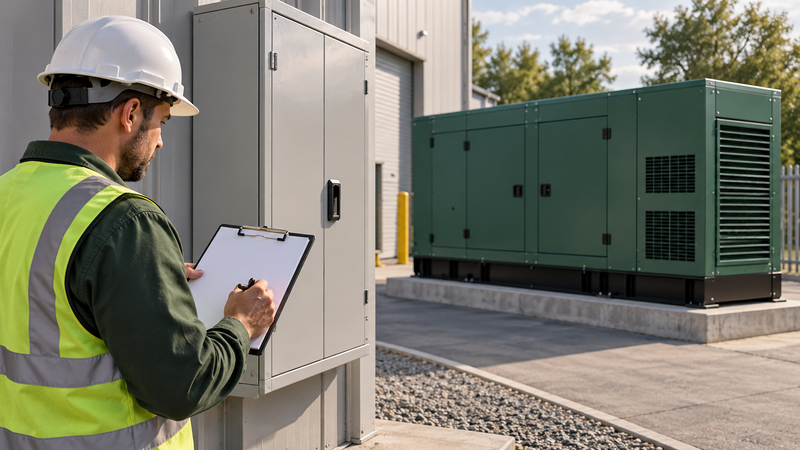
For distributors, I also ask which end-customer installation the order will serve. If the final site is undecided, record that open question and request separately identified options. Avoid letting an uncertain destination become an assumed electrical configuration. Where another source or transfer arrangement is involved, have the responsible engineer confirm the required operating arrangement. Keep the approved brief with the order revision. A generator cannot resolve a specification disagreement by checking the address on its shipping label.
Which voltage, phases and alternator winding are being offered?
I request one configuration line stating frequency, voltage and phase arrangement together. Clarify whether each voltage is line-to-line or, where applicable, line-to-neutral. Then ask for the exact alternator model, winding code and connection drawing. STAMFORD | AvK's AGN046, Issue C explains how operating voltage and permitted connections depend on the winding arrangement. My purchasing rule is to obtain the rating table for the configuration actually quoted, with the supplier identifying the applicable entries and document revision.

If a supplier proposes a different voltage connection, I request its written configuration review before accepting the change. AGN046 discusses winding-current and cooling limits, so I do not assume every reconnection preserves the original kVA. Ask for the available output and current at the proposed voltage, along with any restrictions. Have the project engineer review the associated protection and connection requirements. Preserve the approved drawing and rating sheet together, so purchasing and production cannot accidentally approve different versions of the same offer.
What does engine speed tell me about a frequency conversion?
Engine speed belongs on the configuration sheet, alongside the alternator details. STAMFORD | AvK's AGN041, Issue D gives a four-pole, standard-winding reference example pairing 1,500 rpm with 50 Hz and 1,800 rpm with 60 Hz. That qualified example helps explain why speed matters. I ask the supplier to identify the actual pole arrangement and approved operating speed of the offered package. The reference table is useful evidence for a discussion, rather than permission to alter a particular generator.
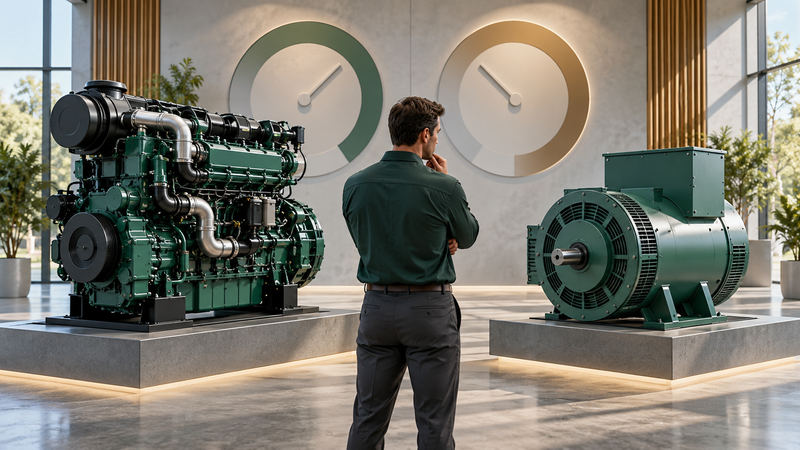
I treat a proposed frequency conversion as a documented configuration review. Ask the supplier to confirm the engine application, governor, alternator output, voltage arrangement, cooling, controls and protection for the proposed operation. AGN041 discusses voltage, magnetic-flux and cooling considerations when operating speed changes. Request the applicable manufacturer information and the party responsible for approving the complete set. Any conversion proposal should identify its work scope, restrictions and verification records. Keep those details separate from a casual promise that someone can change a setting later.
Which connected equipment must match the supplied output?
Next, I ask the buyer's engineer to identify the electrical requirements of the connected equipment. Collect the relevant nameplate information and manufacturer documents for motors, drives, UPS equipment, chargers and transfer equipment where these form part of the project. Record unresolved compatibility questions and name the party who will answer them. My enquiry asks the supplier to state the output it will deliver, while the project team confirms what the installation requires. That creates a reviewable interface between the equipment offer and the site design.

Controller specifications need careful reading too. The manufacturer's DSE7320 MKII product page lists a frequency sensing range for generator and mains inputs. I treat that as sensing information. My procurement inference is that a measurement range alone does not establish an AC power-frequency conversion function. For any controller model, ask what it measures, controls and protects, and request separate confirmation of the generating set's approved output. Put the offered controller version and relevant configuration records into the document schedule.
What exactly does a dual-frequency offer include?
When a quotation says dual-frequency, I ask the supplier to define the offer in writing. Does it mean two factory configuration options, or an approved arrangement that permits a specified change after delivery? Identify who may perform any change, what work is included and what verification follows. Ask whether adjustments, replacement components or revised documents are required for the actual package. These are questions for the supplier's configuration review. I want the commercial scope and the technical approval to describe the same deliverable.

I request a separate rating schedule for each offered frequency and voltage combination. It should identify output, rating basis, engine speed, alternator configuration and operating restrictions. Cummins' QSB5-G11 rental-package page describes a dual-speed engine and reconnectable alternators with a voltage selector. This is a concrete example of documented capability for a particular package. I still ask for the offered set's own evidence. Do not copy one advertised kW or kVA figure into both configurations without written support for each.
What evidence should the quotation and acceptance plan preserve?
My frequency-order checklist asks for the approved site frequency; voltage and phases; complete set and component identities; winding and connection documents; configuration-specific output; agreed controller information; and an acceptance record tied to that configuration. Ask the supplier to list exclusions and unresolved decisions before order approval. Agree which records will identify the delivered unit, its configured frequency, voltage and phase arrangement, and the test conditions used. Have the responsible engineer approve the acceptance requirements, so everyone knows which evidence must be reviewed before release.
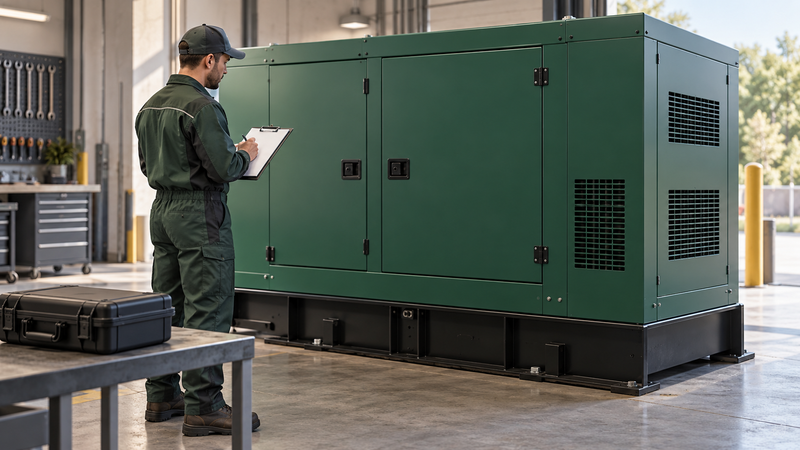
If our 200kW Cummins-powered generator is your enquiry starting point, send the required frequency, voltage and phases with the electrical brief. Request the configuration and rating offered for that exact combination. We can then discuss the package and document requirements against a defined request. Contact GoCummins with the confirmed requirements and any open questions. I keep the approved configuration revision attached to the quotation, order and handover records. Matching those documents is cheaper than negotiating with an unexpected electrical output after arrival.
Conclusion
I approve the electrical configuration before approving the order. Confirm the site's requirements, obtain the offered set's matching documents and agree the acceptance evidence. Then ask every supplier to quote that same configuration, with any alternatives clearly identified for review.