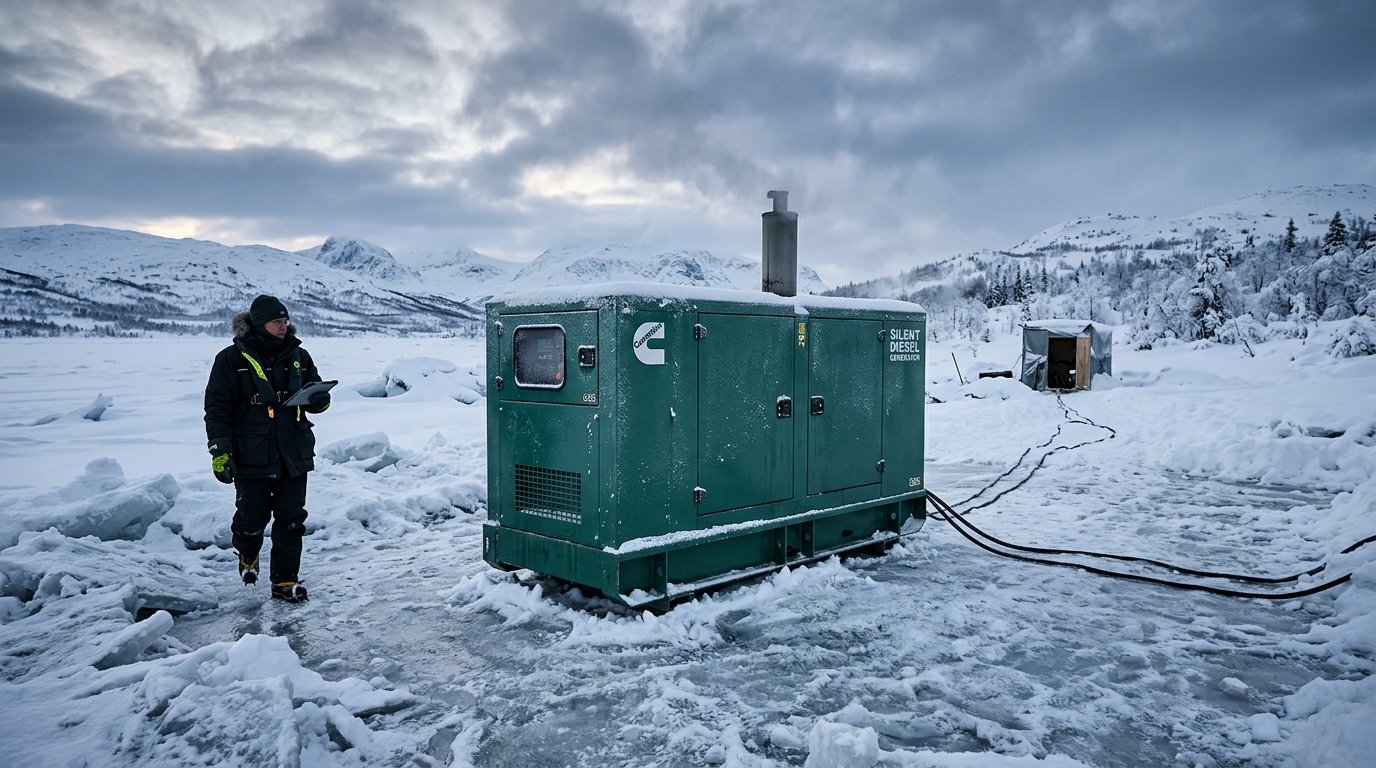

An overseas generator order can pass its factory checks and still reach the buyer with a difficult unpacking day. The accessories are separated, the packing promise is vague, and nobody has agreed what the receiving team should record. Suddenly, a delivery becomes an argument conducted through photographs. I prefer settling those details while the equipment is still accessible. At GoCummins, we ask buyers to agree the shipment scope, packing, handling responsibilities and arrival records before approving dispatch of the order.
We should agree the shipping dimensions and weights, every loose item, the transport route, protective packing, qualified handling responsibilities and the documents linking the consignment to the ordered generator. I also ask who will check its condition at each handover and how shortages or damage will be reported. The purchase record should identify the responsible parties, required evidence and unresolved exceptions. We then approve a defined shipment, with a receiving plan that the destination team can actually use on arrival.

I am Alex Zhang. Here is how I turn a shipping quotation into a practical handover agreement, giving purchasing teams a clear record to follow from dispatch through arrival inspection.
Which dimensions and accessories belong on the shipping schedule?
I begin with a shipping schedule for the actual order. Ask the supplier to confirm the packed dimensions, gross and net weights, number of packages and the location of any separate accessories. Match these records to the ordered enclosure and base arrangement. Have the logistics provider review the proposed transport space and handling arrangements against that information. A catalogue photograph is useful for recognition; the shipping booking needs the dimensions and weights of the consignment actually being prepared.

For loose items, I request an inventory showing the package reference, quantity and location of each ordered component. Include any separately packed exhaust components, installation accessories, tools, keys, manuals and spare parts supplied with the order. Identify which items remain attached to the generator during transport. Ask the supplier to mark exclusions and changes before packing closes. The receiving team should be able to locate each item from the inventory, without turning several boxes into an international treasure hunt.
How should the route and storage conditions shape our packing agreement?
I ask the buyer and logistics provider to describe the planned journey: collection, sea transport, transfers, destination handling and any storage before installation. Give the packer the expected exposure and storage information, including unknown periods. Agree the protection supplied, who approves it and which assumptions could change the packing proposal. Moisture protection deserves a written discussion alongside physical protection. Ask how the selected packing addresses the agreed journey and how the receiving team should inspect and manage that protection.

If wood is proposed, ask what materials are actually included in panels, skids, braces and dunnage. IPPC's ISPM 15 standard addresses wood packaging in international trade and includes material-specific exemptions. I ask the packer to identify the relevant treatment and marking information or exemption basis, with destination and transit requirements checked by the responsible logistics parties. Calling the panels plywood does not describe every component of a package. Record the actual materials before deciding which requirements apply.
Who will approve and perform loading and handling?
The IMO/ILO/UNECE CTU Code is nonmandatory guidance for cargo transport units, including packing, securing and moisture risks. I use it to frame questions for the competent logistics parties. Ask who will approve the load plan, provide applicable handling information and perform each handling stage. The equipment's own instructions and the agreed transport arrangement need review by those responsible. Put the names and confirmation points into the shipment schedule, so a promise to handle everything has an identifiable owner.

I request handling information applicable to the actual machine and packaging, then ask the qualified parties to confirm their method and responsibilities. Record collection arrangements, the loading location, access constraints and the party coordinating the carrier. Agree which records will show the packed order's condition and placement before departure. Have the responsible parties resolve any missing equipment information before collection. Keep the approved handling arrangements with the shipment file. Photographs can document the handover; the qualified people still need to approve the work.
Which identifiers and documents must accompany the order?
The shipment references should connect the complete set, its separate packages and the commercial records. I ask for the unit model and serial number to be matched to the packing list, package count and accessory inventory. Have the logistics provider confirm the document set required for the agreed journey, then assign preparation and review responsibilities. Give the receiver access before arrival. An unexplained difference between the packing list and package labels deserves clarification while the supplier can still inspect the consignment.

I prefer a compact evidence pack with condition photographs before packing, closed-package views, readable identifiers, the accessory inventory and the agreed handover record. Link the records to the shipment reference and date. Agree how container and seal identifiers, where used, will be recorded and passed to the receiver. Ask who retains the original records and who sends the destination copy. A photograph of a green enclosure becomes much more useful when its file record identifies which order, package and handover it documents.
What should the receiving team record on arrival?
Before approving dispatch, I ask the buyer to confirm the arrival contact, unloading arrangements, site access and the receiving team's availability. Make sure that team has the packing list, package references and applicable handling information. Name the person who can resolve a missing document or changed arrival arrangement. Where the goods will enter temporary storage, agree who records their condition and manages the packing during that period. The delivery plan should reach the people receiving the shipment, as well as the purchasing office.

At arrival, I ask the receiver to record the condition actually observed, with dated photographs and clear package references. Check the agreed identifiers, package count, visible condition and any seal details against the shipment record. State which checks were completed and which must wait until unpacking. Record damage, missing items or discrepancies precisely, and send the evidence through the agreed contact route. Keep observations separate from conclusions about the cause. The relevant parties can then review the facts and agree the next action.
How will we assign handover responsibilities and close exceptions?
Delivery responsibilities need the same precision. ICC's Incoterms 2020 rules distinguish responsibilities according to the selected rule and precise named place. I ask both parties to record the agreed rule, edition and place, then confirm who arranges destination unloading. Separately identify who receives condition reports, contacts the transport provider and coordinates missing-item or damage reviews. Confirm any reporting procedure or deadline in the relevant agreement. A receiving checklist should record what happened without silently redefining the agreed delivery terms.

For an enquiry about our 250kW Cummins-powered generator, send the destination, route and expected storage period with your requested delivery scope. Ask for the packing proposal and shipment data applicable to the actual order. We can discuss the consignment records against that brief. Contact GoCummins with the accessory, packing and receiving questions still open. I use the confirmation table below to attach each item to an owner and a closing record. Approve changes in writing before the shipment proceeds under a different assumption.
| Checkpoint | Agree before dispatch | Handover or receiving record |
|---|---|---|
| Shipment identity | Unit serial, package count and accessory locations | Matching labels and packing list |
| Packed data | Packed dimensions, gross/net weights and revision | Consignment reference matched |
| Packing and route | Protection scope and transport/storage assumptions | Observed condition and any deferred checks |
| Handling | Qualified parties and approved equipment information | Collection, loading and receiving records |
| Delivery scope | Agreed rule, edition, named place and unloading party | Recorded handover details |
| Exceptions | Contacts and agreed reporting process | Dated evidence, action owner and closing record |
Conclusion
I agree the shipment before approving dispatch. Confirm the packed order, protection, qualified handling parties and receiving records. Give every handover a named contact and a clear evidence trail, so the destination team can check the delivery and resolve exceptions promptly.