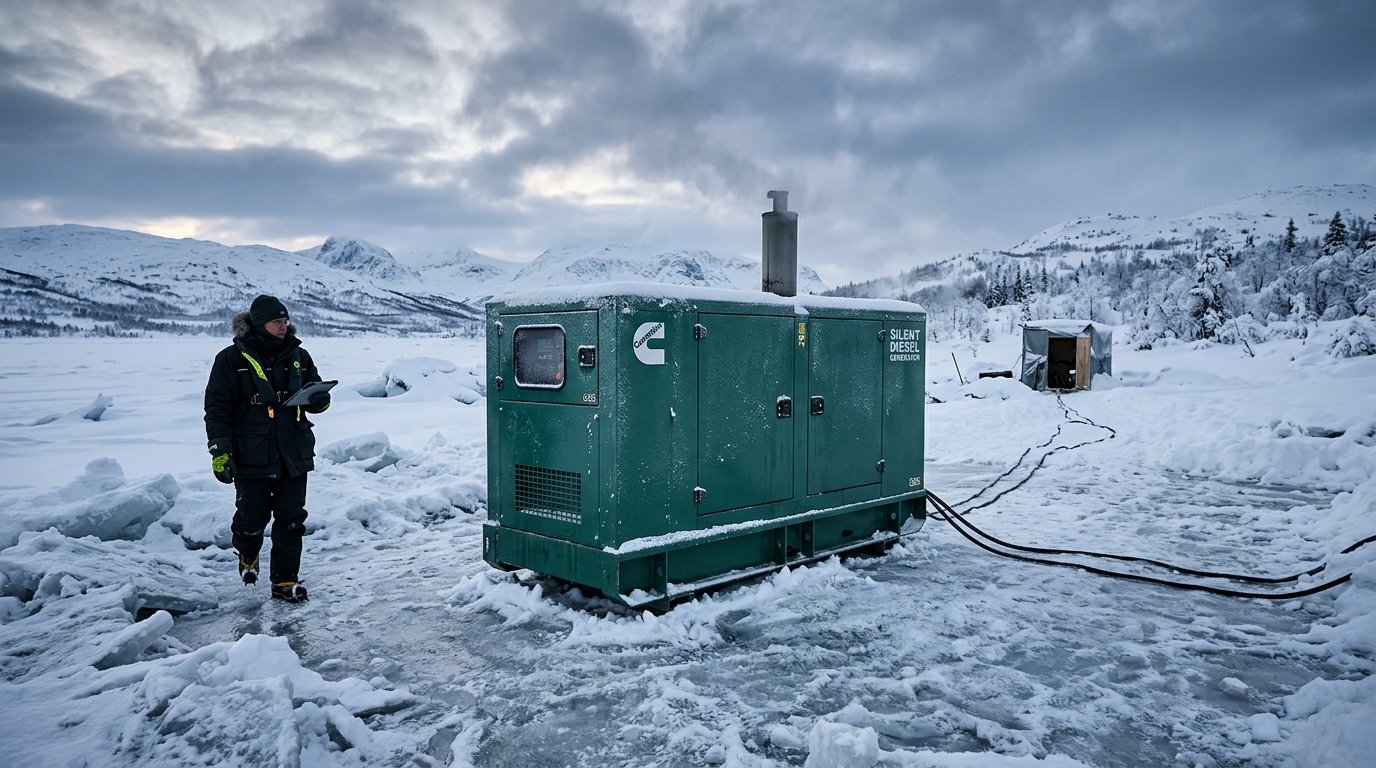

An imported generator can arrive with a box labelled spare parts and still leave the buyer unsure what was actually purchased. The filters look plausible, the description says standard kit, and the next order needs an answer before anyone can identify a part number. That uncertainty can turn a small saving into a difficult sourcing exercise. At GoCummins, I prefer agreeing an itemized first spare-parts package while the generator configuration, operating plans and supplier records are still available for review.
We should define the first spare-parts package around the actual generating set and its components, then request an itemized quotation with verified part references, quantities and selection reasons. I separate planned service consumables from contingency items, and ask which application each line fits. We also need current availability, ordering lead times, storage instructions and a practical replenishment contact. The result should be an approved purchasing list linked to the supplied equipment, with substitutions and unresolved questions recorded before order approval.

I am Alex Zhang. Here is how I build a useful purchasing brief for the first spare-parts package, so buyers can compare quotations and plan replenishment with clearer equipment records.
Which equipment identifiers should I confirm first?
I begin with the complete generator set model, serial number and configuration record. Then I request the engine model and engine serial number (ESN), with a plate photograph. Cummins' parts information page identifies the engine dataplate as the ESN location and points buyers to parts lookup resources. I ask the supplier to use the applicable equipment records when confirming the order. Keep any identity still awaiting allocation visibly pending until the actual supplied equipment is confirmed.

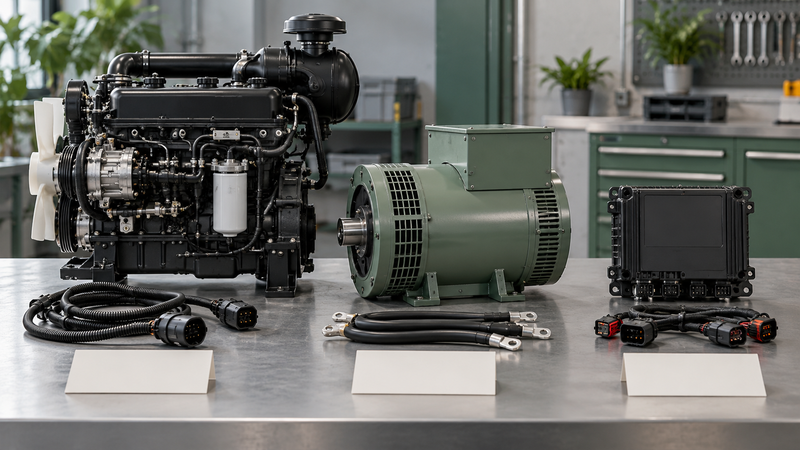
Each alternator, controller and accessory needs its own identification. STAMFORD's current-products parts manual, Issue 31 requests the alternator model and serial number when ordering parts. Ask the supplier to use the applicable alternator documentation and confirm the other component models and versions supplied. Identify which component each spare serves. An engine ESN should not become a convenient label for every item inside the enclosure or its accessory boxes.
How should service consumables differ from contingency spares?
For planned service consumables, I ask the supplier to build the proposal from the applicable equipment documentation and the buyer's intended planning period. Identify the specific filter or other service item, its confirmed reference and the quantity proposed. Ask which scheduled activity supports that quantity. This article concerns what to purchase; the equipment's applicable maintenance instructions determine the service work. I avoid copying a generic replacement interval into the order simply because the heading says diesel generator service kit.
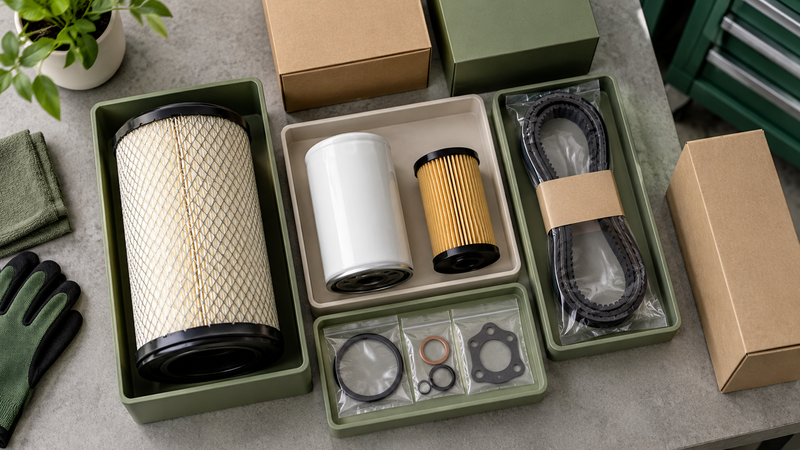
Contingency spares need a separate explanation. Have the service provider assess candidates against the installation, support arrangements, replacement availability and consequences of an unavailable part. A sensor or other component needs an identified application and selection reason. Confirm that the intended service team can use it within the agreed scope. We can then review priorities and cost with the relevant technical input. Each contingency line should explain the problem it is intended to cover.
What quantities fit the planned use and replenishment route?
Give every quantity a stated basis. Start with the planning period, expected use and applicable service requirements. Request the supplier's calculation or reasoning. For multiple sets, identify which items genuinely share an approved application. A matching power badge is not a parts list. Separate quantities per machine from pooled fleet quantities. That gives the buyer a reviewable first order. Keep unresolved application questions open until the responsible technical party confirms which equipment each item can serve.

Name the person who monitors use, approves replenishment and contacts the supplier. Discuss current availability, the lead time quoted on the enquiry date and the destination arrangements affecting supply. Record assumptions and unknowns. The buyer can then choose an initial stock position and review it using actual usage and updated supply information. Label stock against its approved applications. Inventory is a support plan, not a cardboard collection. Keep the reorder contact with the approved parts record.
How should I verify part references and proposed replacements?
Each quotation line should carry the manufacturer's part reference, a clear description, the applicable equipment reference, quantity and ordering unit. If the supplier uses its own kit code, request the itemized contents behind it. Ask whether the reference identifies the fitted part or an approved replacement, and what evidence confirms the proposed application. Keep the supplier's confirmation with the list revision. Purchasing staff can then compare identifiable items across offers, with differences recorded before approving a package total.
When a reference changes, request a written explanation of the proposed supersession and its confirmed application. Identify associated items or configuration conditions requiring review. The responsible technical party should close those questions before acceptance. A familiar shape is a poor purchasing specification. Treat cross-references and photographs as starting points for verification. Preserve the original request, proposed change and approval together. That record should help the next buyer identify the approved item and reopen any unresolved questions.
What storage and receiving information should accompany the parts?
Get the manufacturer's storage and condition instructions for the actual items before ordering. Request relevant shelf-life limits, date information, packaging requirements and handling precautions. Confirm which requirements apply to each line. Identify who supplies the records and where the buyer plans to keep the stock. If that location cannot meet an item's stated conditions, resolve the issue before purchase. We should make the storage decision for the selected parts and the buyer's actual facilities.

Check delivered labels, quantities and references against the approved spare-parts list. Record unapproved substitutions, missing items or unclear labels for clarification. Retain relevant supplier and batch information where provided, alongside manufacturer instructions. Keep the accepted list available to purchasing and the service team, with a named owner for updates. This is a parts-order control record. The applicable instructions and agreed service arrangements still govern the actual service work. Close discrepancies before treating the order as complete.
What belongs in an itemized spare-parts quotation?
Make suppliers quote the same itemized brief. Separate planned consumables from selected contingency items. Each line should show the confirmed reference, quantity, pack size, unit price, currency, availability and quoted lead time. Identify items supplied with the generator, separate orders and additional charges. Record the offer date and outstanding approvals. We can then compare equivalent scope across suppliers. Keep proposed alternatives on separate lines, with the requested approval and any commercial changes visible to the buyer.

If our 300kW Cummins-powered generator is your enquiry starting point, send the equipment identities available, your planning period and the intended service location. Request a proposed parts list with quantities and selection reasons for review. Contact GoCummins with the references already confirmed and the questions still open. I use the short RFQ template below to make each line reviewable. Once the list is approved, keep its revision with the order and the replenishment contact, so the next purchase starts from usable information.
| Field | Entry requested | Approval question |
|---|---|---|
| Equipment application | Set identity; engine ESN or component model/serial | Which actual equipment does this item fit? |
| Item reference | Description; manufacturer part number; proposed supersession | Is the current application confirmed? |
| Quantity | Count; ordering unit; consumable or contingency group | What planning basis supports this quantity? |
| Contents | Individual item or itemized kit contents | Are all quoted items identifiable? |
| Supply | Dated price, availability, lead time and included charges | Is the comparison based on the same scope? |
| Stock support | Applicable storage/date information and reorder contact | Who retains the records and reviews replenishment? |
Conclusion
I buy a documented parts package for an identified machine. Confirm applicability, separate planned consumables from justified contingency stock, agree quantities and keep the replenishment route usable. A clear itemized quotation gives buyers something concrete to approve and suppliers a defined list to deliver.