
An automatic transfer switch can look like a simple extra line on a generator quotation. Then the cabinet arrives, the installer asks about interfaces, and everyone points at someone else's scope. The price saving suddenly has excellent acting skills and disappears. I want our overseas buyers to settle those questions before ordering. At GoCummins, I start with the site's operating needs, then build a written brief covering the switch, control responsibilities and the specific evidence required for final site acceptance.
I specify an ATS by agreeing its supplied assembly, electrical application, transfer behavior, interfaces, installation conditions and acceptance documents with the responsible project parties. The generator controller's model alone does not define that package. We need an identified switch model, approved drawings and a clear allocation of supply, configuration and site work. I ask the buyer's electrical engineer to confirm the design requirements, while suppliers show how their offered equipment addresses them. Unresolved items stay visible until someone closes them.

I am Alex Zhang. Here is my purchasing checklist for turning an ATS option into a defined project package, with fewer assumptions hiding between the generator supplier and site contractor.
What equipment does the ATS quotation actually include?
Eaton's ATS fundamentals explain that transfer switch assemblies move load connections between primary and alternate power sources. For purchasing, I separate the offered power-switching assembly from the generator's control module. Request the cabinet manufacturer, model, supplied controls and included accessories. An enclosure photograph is useful, but it is not an itemized scope. Have the supplier identify the assembly being quoted and the documents that describe it. Record any separately priced options before comparing package totals.
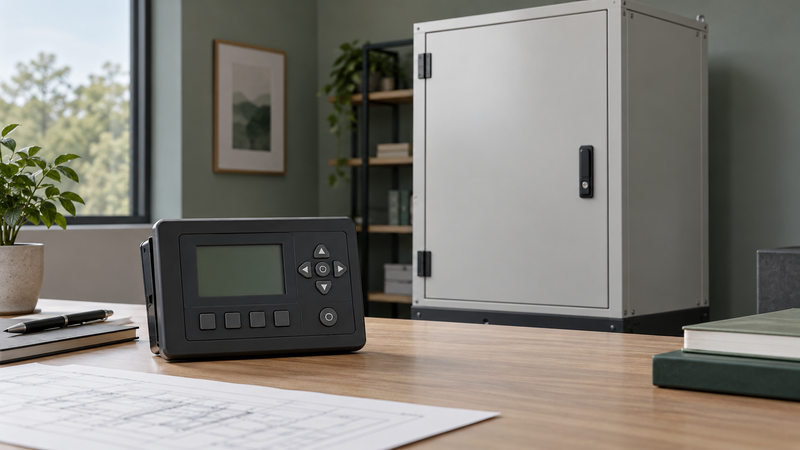
A generator offer mentioning DSE7320 should state the actual controller version and separately identify any ATS included. I also want exclusions: power cables, control cables, terminations, installation, configuration, commissioning and site testing. Mark each as included, excluded or awaiting confirmation. If the buyer already has transfer equipment, treat that as an interface review rather than automatically adding another cabinet. A component name on a quotation should open a useful conversation, not quietly close an important one.
Which electrical requirements must my engineer confirm?
Cummins' transfer switch selection paper identifies voltage, frequency, current rating, poles and fault-current capability among the selection factors. I request a project data sheet approved by the buyer's electrical engineer. It should identify the sources, intended loads and relevant system requirements. Ask the ATS supplier to respond against that revision. Missing site information is a question to resolve, not permission to substitute a familiar cabinet. Keep the engineer's required values beside the offered equipment's documented ratings.

Give neutral treatment, earthing arrangements and protective-device coordination named engineering owners. Ask who confirms the available fault-current information and the proposed assembly's suitability with the relevant protection. Procurement staff should obtain that confirmation rather than choose poles or protection from a generator's kW label. Also identify the project's destination requirements and who reviews supporting product documents. We should compare offers against an approved application, without treating a generic certificate image as proof that a particular assembly meets every project condition.
What transfer behavior does the facility need?
Start with the facility's acceptable interruption and recovery behavior. Eaton distinguishes open and closed transitions: open transition disconnects one source before connecting the other; closed transition briefly overlaps available sources. The buyer's engineer should select the suitable arrangement. I ask suppliers to state the offered transition explicitly and identify any conditions attached. Automatic is a useful word, but it is not a complete operating sequence. Make the requested behavior understandable to both purchasing staff and the project team.

A closed-transition label is not a promise of uninterrupted power through an unexpected utility failure. Cummins explains that its described closed transition requires both sources to be available and synchronized, and calls for checking local utility requirements. I ask the engineer to define what the loads need during an outage, planned transfer and return to normal supply. Agree the response to an unsuccessful start or unavailable source. Record the sequence and approval responsibility without inventing one universal transfer time.
Who owns the generator-to-switch interfaces?
Make the interface schedule a deliverable. Ask which party senses each source, initiates generator start, commands transfer, receives position feedback and reports relevant alarms. The suppliers should identify the required signals and their electrical characteristics in approved interface documents. Have the installation contractor confirm the connecting work in its scope. This is a purchasing review of responsibilities; the actual wiring and settings belong in the applicable engineered documents. A shared connector shape is not an interface agreement, however reassuring it looks.

One named party should coordinate the sequence review across the generator supplier, ATS supplier and site team. Request a drawing revision, configuration reference and list of open questions. Confirm who provides configuration records, who checks changes and who retains the accepted version. If remote monitoring is requested, itemize the signals, equipment and integration responsibility separately. I prefer one short, owned question list to three impressive folders that disagree with each other. Nobody should need detective training to discover the agreed scope.
Will the cabinet suit its location and service needs?
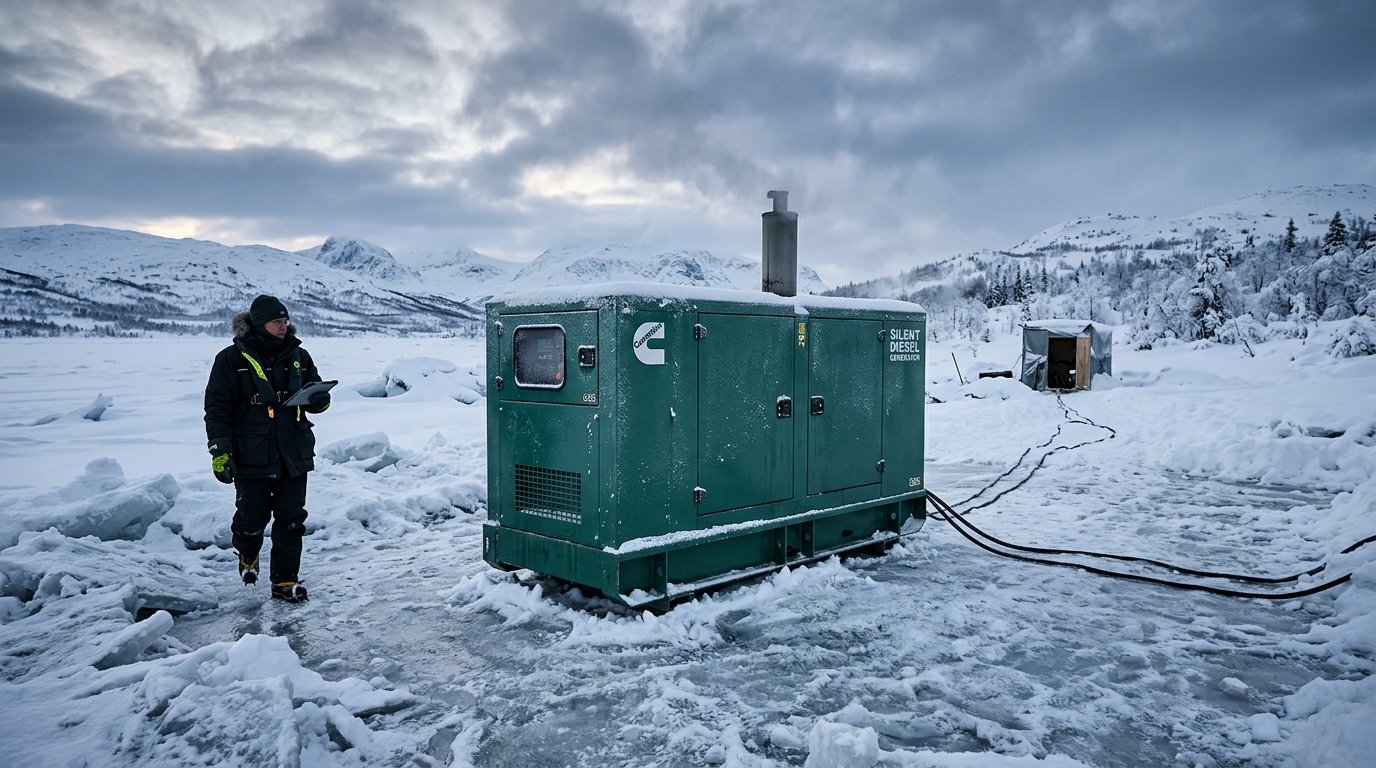
Describe where the ATS will actually sit. Include indoor or outdoor placement, the site's stated environmental conditions, access constraints and proposed cable approach. Ask the supplier to identify the offered enclosure specification and the conditions for its use. The site engineer should review suitability for the actual location. Do not transfer a silent generator canopy's description onto a separate switch cabinet. They are different supplied items, and the purchase record should show that difference clearly.

Discuss service access with the people who will maintain the installation. Request cabinet dimensions, door-opening needs and manufacturer access requirements for review against the proposed location. Ask whether any maintenance bypass arrangement is required by the project, and have it quoted and engineered explicitly if selected. Do not assume it comes with every ATS. Confirm who prepares the base, provides access and receives the cabinet. A neat delivery photo is little consolation if the service door cannot be used as intended.
What evidence should I agree before accepting the package?
Agree an acceptance plan covering the supplied scope and the remaining site integration. Request checks against approved identities, drawings, interface records and the agreed operating sequence. Identify which demonstrations occur before shipment and which require the installed system. Name the witness, evidence format and person authorized to close discrepancies. Any operational testing should follow the responsible engineer's approved plan. We are agreeing what must be demonstrated and documented, rather than prescribing a live electrical test procedure in a purchasing article.

For an enquiry about our 200kW Cummins-powered generator, send the approved site data available and explain whether transfer equipment is new or existing. Contact GoCummins with your required sequence, supplier boundaries and installation location. Request a separate ATS line identifying manufacturer, model, options, exclusions and required reviews. The short table below helps keep responsibility visible. Before approval, collect the offered drawings, engineering confirmations, quotation revision and acceptance plan in one package. That gives every bidder the same question to answer.
| Item | Buyer provides | Supplier confirms |
|---|---|---|
| Application | Approved site requirements | Offered assembly and ratings |
| Operation | Required sequence | Proposed controls and interfaces |
| Installation | Location and contractor scope | Drawings, access and exclusions |
| Acceptance | Reviewers and witness | Evidence and outstanding site work |
Conclusion
I buy an agreed transfer package, not three letters on a quotation. Define the assembly, obtain engineering confirmation, allocate interfaces and document acceptance. Send the unresolved questions with the enquiry. A clear ATS brief gives our suppliers and your site team something practical to review.