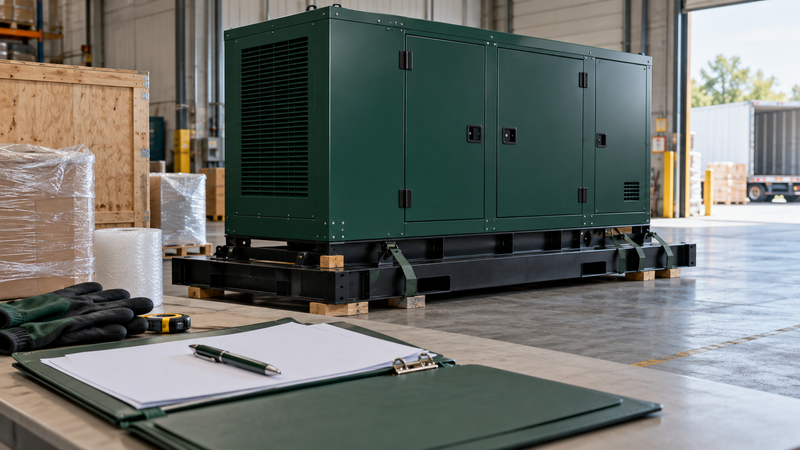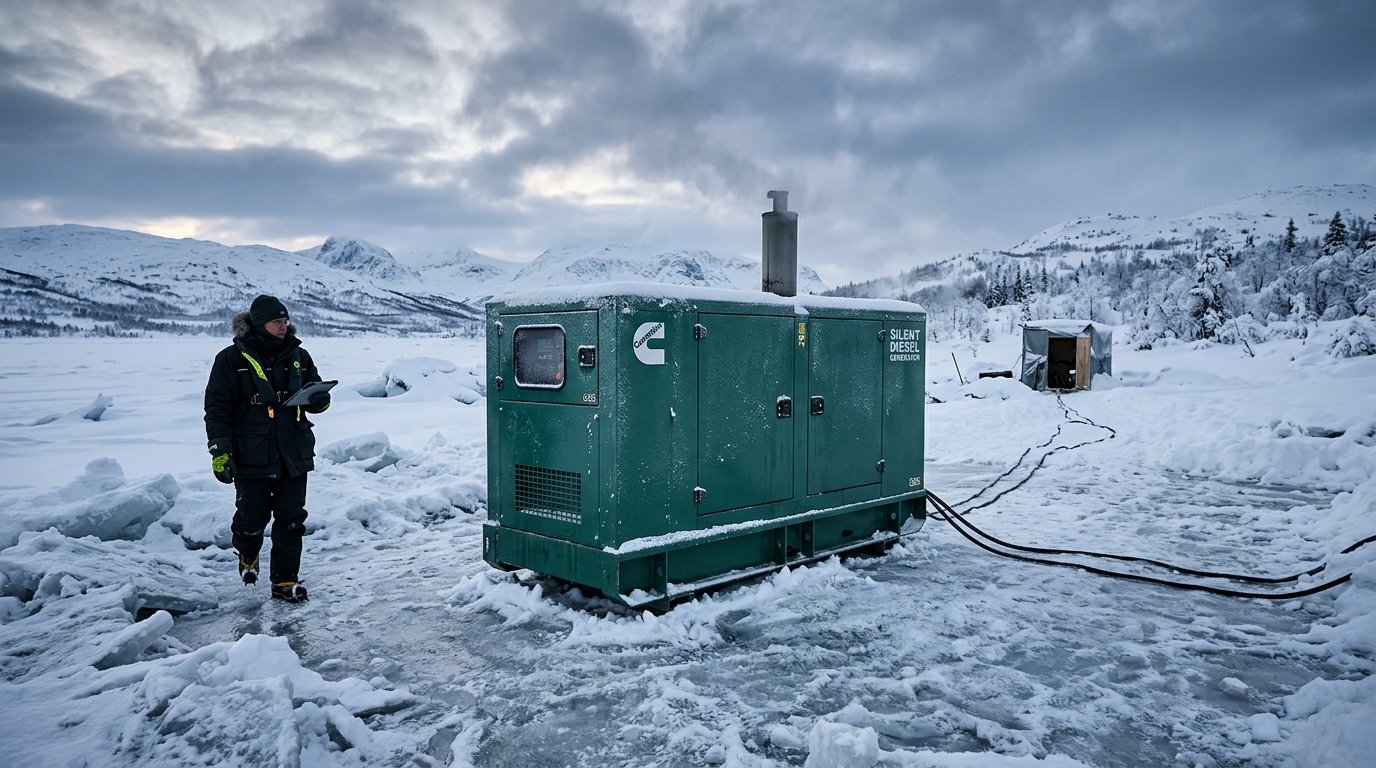

Your generator is packed, the vessel booking is approaching, and the supplier sends a video. Everything looks ready. But which unit was tested? Under what load? Who approved the results? I know those unanswered questions can turn an overseas purchase into an expensive investigation. Finding a problem after arrival adds freight, coordination, and commissioning delays to the conversation. At GoCummins, I recommend settling the evidence before shipment. A clear factory acceptance test helps buyers replace optimistic assumptions with documented decisions.
For a Cummins silent generator FAT, I recommend agreeing the inspection plan before production finishes. Verify the exact generating set and component identities. Review the specified load tests, controller demonstrations, enclosure condition, noise evidence, and supplied accessories. Collect traceable results, record exceptions, and name the person authorized to release the unit. Separate factory acceptance from destination commissioning. The objective is a documented match between the purchase specification and the supplied equipment, with clear responsibility for anything still outstanding before shipment.
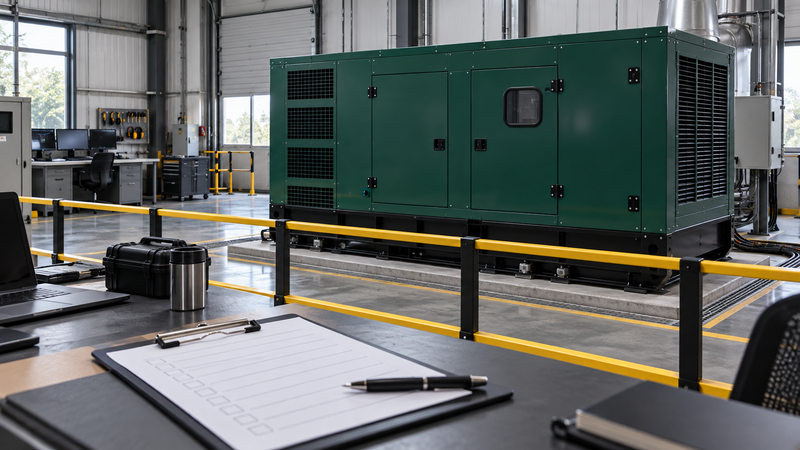
I am Alex Zhang at GoCummins. Here is how I would organize your acceptance review, from the enquiry through shipment, so the paperwork earns its place beside the generator itself.
What should I agree before the factory acceptance test?
I start with an inspection and test plan attached to the purchase specification. Define the equipment, test activities, acceptance criteria, records, witness arrangements, and approval roles. Cummins' T-016 manual distinguishes prototype, factory, and site testing in its paralleling-system context. That distinction helps frame the discussion; the actual plan must suit your particular generating set. Ask your project engineer to approve technical limits. I prefer resolving those details before anyone books flights or orders a celebratory lunch.
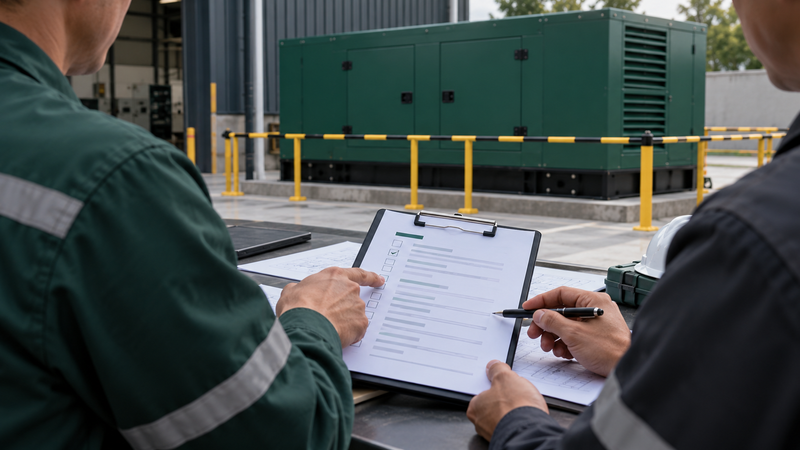
My RFQ checklist covers duty designation, electrical output, voltage, frequency, phase arrangement, component models, canopy version, accessories, destination, and the required evidence. State which checks are routine production work and which require a buyer's witness or independent inspector. Agree any additional charges and scheduling requirements upfront. At GoCummins, we serve wholesale buyers, so I want the inspection brief to support your own project handover or distributor obligations. A shared checklist gives both purchasing teams and suppliers a practical starting point.
How do I verify the exact generator being inspected?
I ask for readable photographs of the assembled generating set, its identification plate, engine plate, alternator plate, and controller model. Match the identifiers to the order and test report. Cummins' manual lookup provides engine-specific documentation using the engine serial number. I treat that as one part of verification, alongside supply records and appropriate manufacturer enquiries. Identify the complete set manufacturer too. A recognizable engine brand identifies a component; the acceptance record must identify the complete package being supplied.
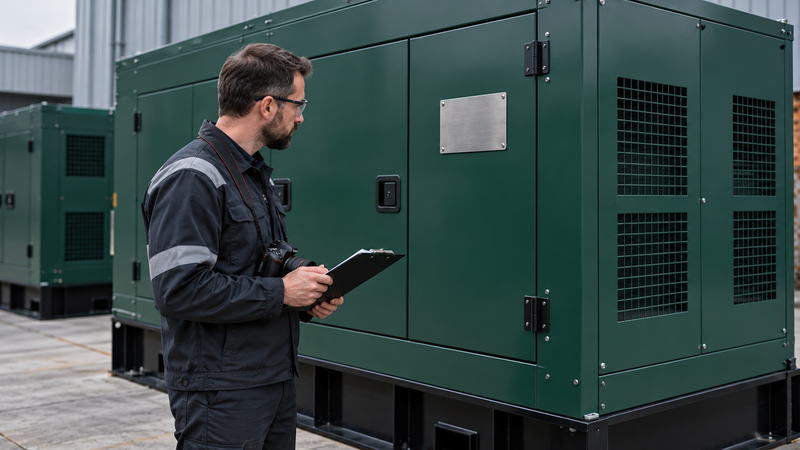
For a multi-unit order, I recommend a separate evidence folder for each set, with a common document index. Check that photographs, readings, and exception records belong to the same serial number. Record any approved component substitution against the configuration revision. Ask who checked the change and whether related drawings or settings need updating. This matters for distributors managing service later. I would rather spend a few minutes matching records now than discover that three generators share one mysterious inspection photograph.
Which load-test details should I review?
I ask the supplier to state the load-bank type, applied kW, kVA or power factor, test duration, and rating basis. Cummins' generator application manual explains why the load's power factor matters when assessing generator capability. A report should make those conditions explicit. Have your engineer select a suitable procedure for the ordered equipment. I avoid treating every full-load statement as equivalent. The useful purchasing question is whether the agreed test conditions were achieved and properly recorded.
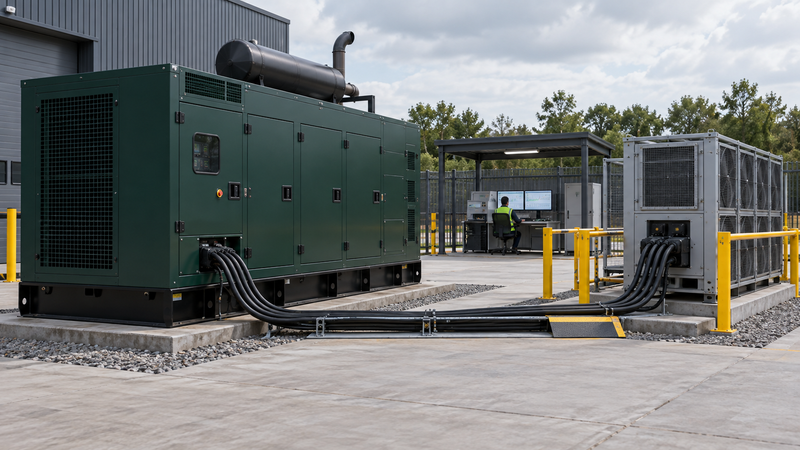
My review sheet requests the agreed load steps and time-stamped readings, with instrument identification and suitable calibration evidence. Include the electrical and engine measurements specified in the approved procedure. Where changing-load performance is included, request the sequence and results against the agreed limits. State how deviations and retests will be documented. I do not prescribe a universal overload test or acceptance number for every machine. Those requirements belong to the actual rating, manufacturer instructions, and project specification being reviewed.
What should the controller and accessory checks demonstrate?
I turn the controller model into a demonstration list. Which start requests, alarms, indications, and external interfaces will be checked? Which depend on buyer-supplied equipment? For a DSE7320 MKII application, Deep Sea Electronics provides model-specific manuals and wiring documentation. Confirm the exact hardware version before choosing the documents. I request an agreed settings record where appropriate. A familiar controller model is a starting point; its installed configuration and the demonstrated functions need their own acceptance evidence.
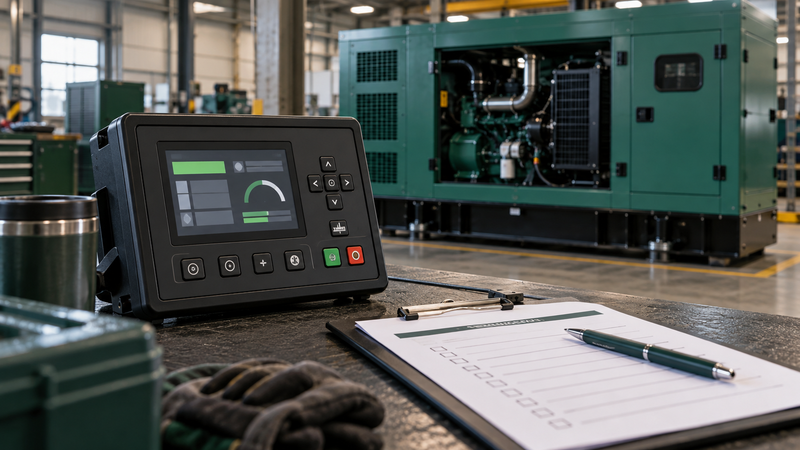
If an ATS, remote monitoring system, battery charger, or external panel is included, I put it into the inspection scope by name. Ask whether each demonstration uses the supplied hardware or a simulated signal. Protection testing should follow the approved procedure and be performed by qualified personnel. I also check the physical delivery scope: service doors, latches, finish, ordered tank arrangement, and accessories. A loose latch deserves attention before dispatch. Its international sightseeing tour can become surprisingly expensive once commissioning begins.
What counts as credible evidence for a silent enclosure?
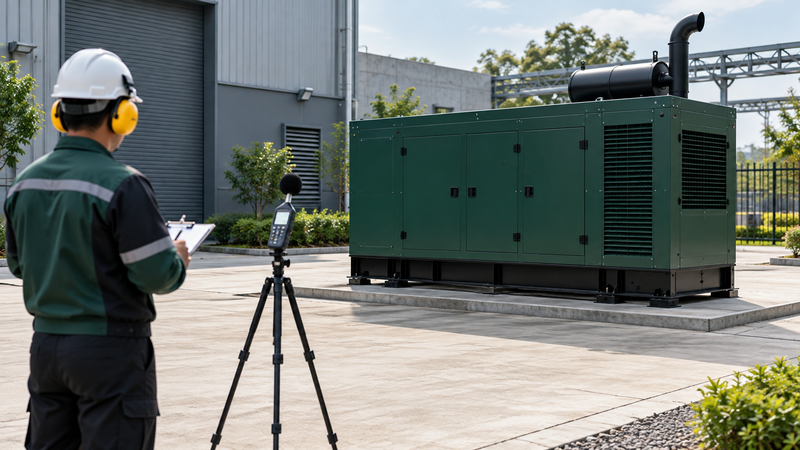
For the silent enclosure, I request the reported sound quantity, measurement distance, operating load, method, enclosure configuration, and measurement positions. Cummins' acoustic comparison guidance highlights the importance of comparable test conditions. Tie any promised noise limit to its measurement basis in the order. I also ask whether the evidence covers the supplied unit, an equivalent configuration, or a separate product test. A phone recording can support a visual inspection, but I want the agreed measurement evidence for a numerical claim.
Can I witness testing remotely and close exceptions clearly?
For remote witnessing, I agree a running order, time zone, camera views, document access, and one buyer representative to collect questions. Start with the unit identification, then follow the approved plan. Make the instruments readable and record which steps were actually witnessed. If the connection fails, agree how missing evidence will be reviewed. Where independent inspection is required, confirm the inspector's access and scope beforehand. I want the video meeting to support a decision, with the resulting records available afterwards.
I keep an exception list with the issue, affected unit, required action, responsible party, deadline, and closure evidence. Decide which items prevent release and who may accept any remaining exceptions in writing. Link retest results to the original finding. Avoid closing an item simply because someone sounds confident on a call. My favourite inspection update is a short one supported by a clear record. It gives the buyer something useful to approve and gives the supplier a defined completion point.

Which documents should I approve before shipment?
Before release, I request the final configuration, identification photographs, agreed test reports, closed exception list, drawings, manuals, accessory inventory, and packing information. Confirm who approves shipment and who handles receiving inspection and site commissioning. If you are considering our 200kW Cummins-powered generator, include the required FAT scope in your enquiry. I recommend agreeing these deliverables alongside commercial milestones. Factory release then becomes a clear purchasing decision, while installation and operational acceptance remain defined responsibilities at the destination.
Conclusion
I use FAT to connect the order, the actual unit, and the evidence supporting release. Send your configuration, destination, and inspection requirements through our contact page or email sales@gocummins.com. We can discuss a practical acceptance scope before shipment.