
📅 Last Updated: June 27, 2026
Imagine the scene: You’ve just closed a massive deal to supply a hospital or a data center with a 100kW backup power system. You start looking for a supplier, and you get two quotes. One is reasonable, and the other is so high it makes your eyes water. You call up your assertive procurement buddy, Mark Shenng in Canada, and he’s already dominating the conversation about how “everyone is overcharging.” You’re frustrated, you’re confused, and you’re starting to wonder if the extra five figures on the high quote are just paying for the CEO’s new yacht.
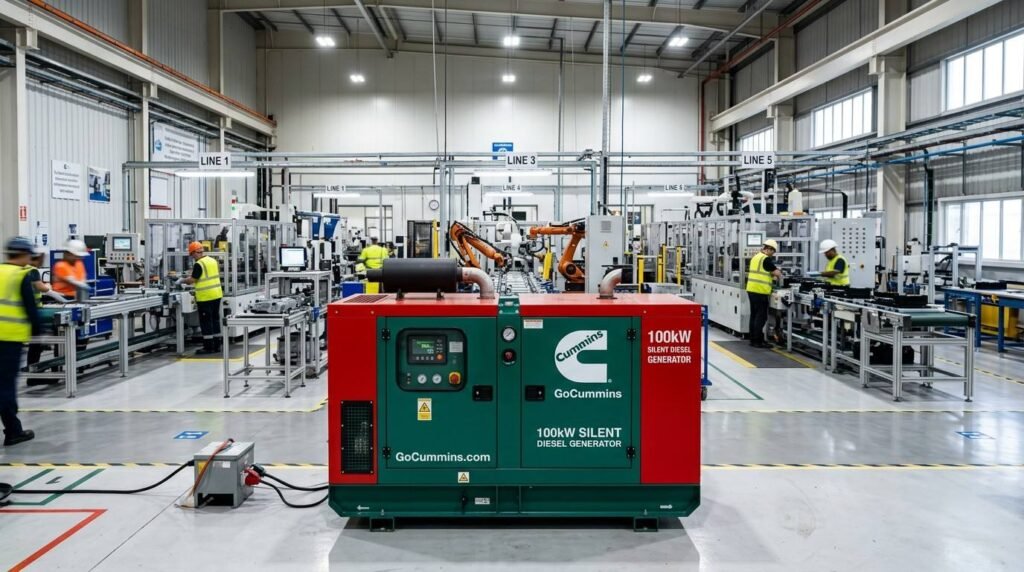
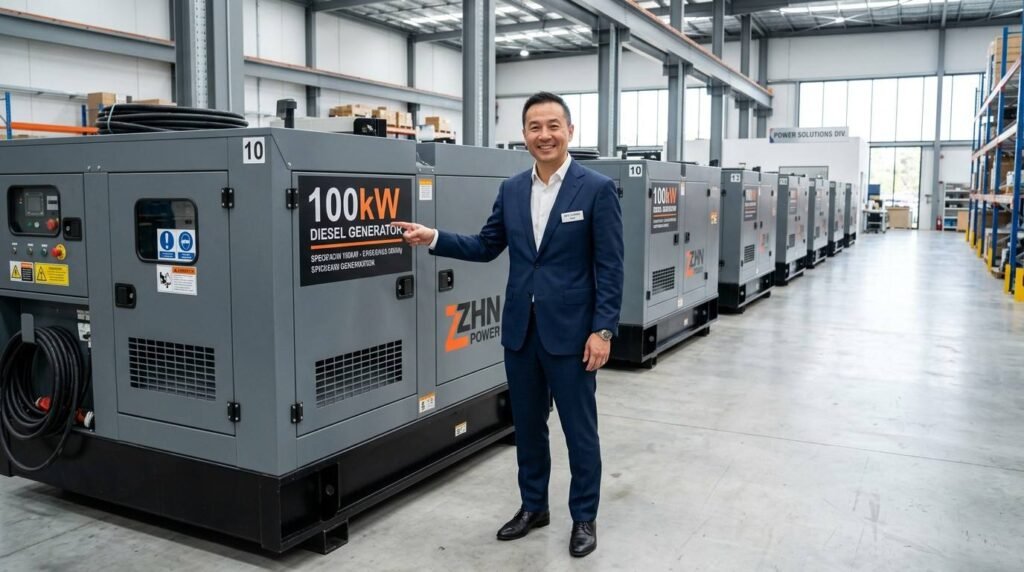
The price of a Cummins-powered generator is primarily driven by the engine’s emissions tier (EPA Tier 4 Final can cost 40-50% more than Tier 3), the choice of alternator (genuine Stamford vs. generic copy), and the complexity of the digital control system and soundproof enclosure. Additionally, mandatory safety certifications like UL 2200 and CSA, combined with fluctuating global shipping indices and import tariffs, can shift the final landed cost by thousands of dollars. At GoCommins, we optimize our five production lines to ensure you get factory-direct pricing without the middleman markup.
Don’t let the technical jargon drain your bank account. I’m Alex Zhang, and I’ve spent my career overseeing the manufacturing of thousands of units. I know exactly where the money goes in a high-quality genset, and I’m going to pull back the curtain on why quality power costs what it does—and how you can avoid getting scammed by “certificate forgery” or low-quality “blue paint” fakes.
Is the Engine a Real Cummins or Just a Very Convincing Blue Paint Job?
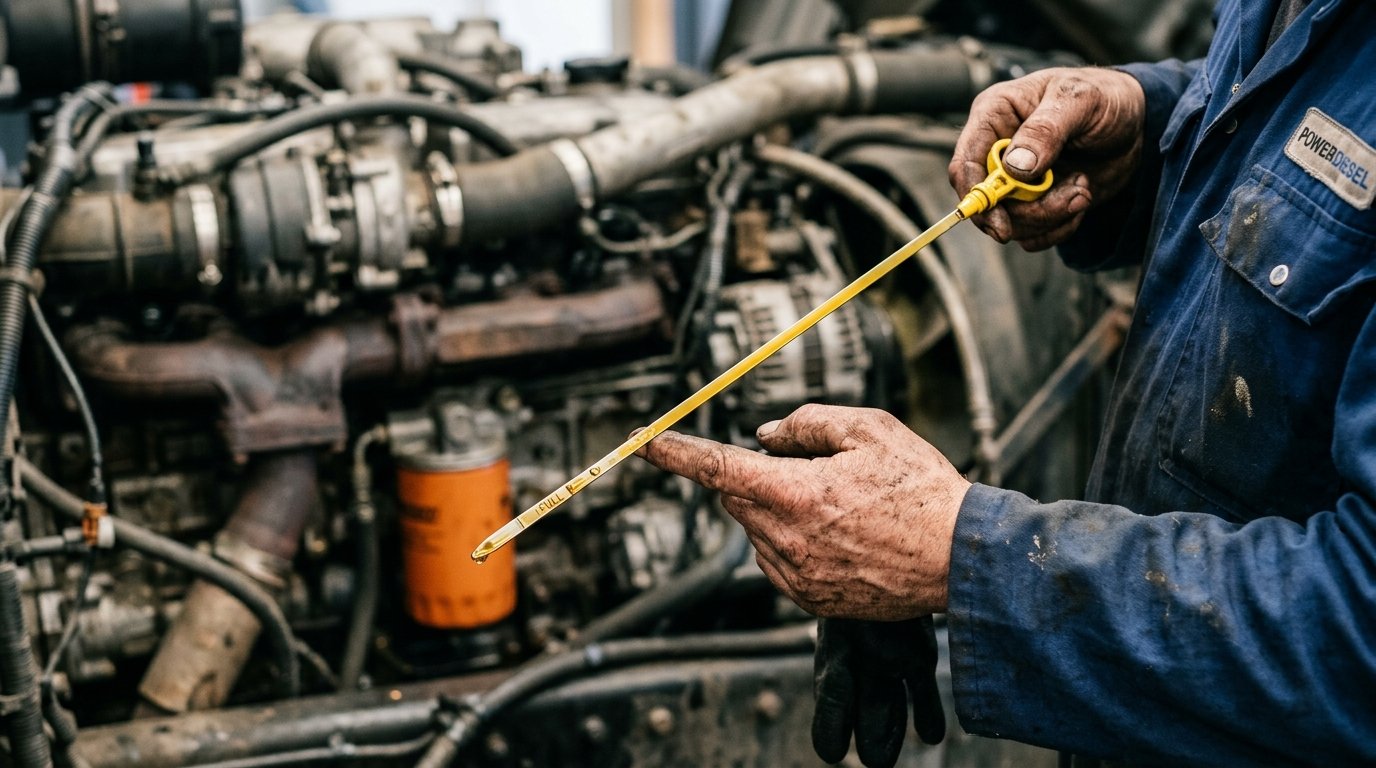
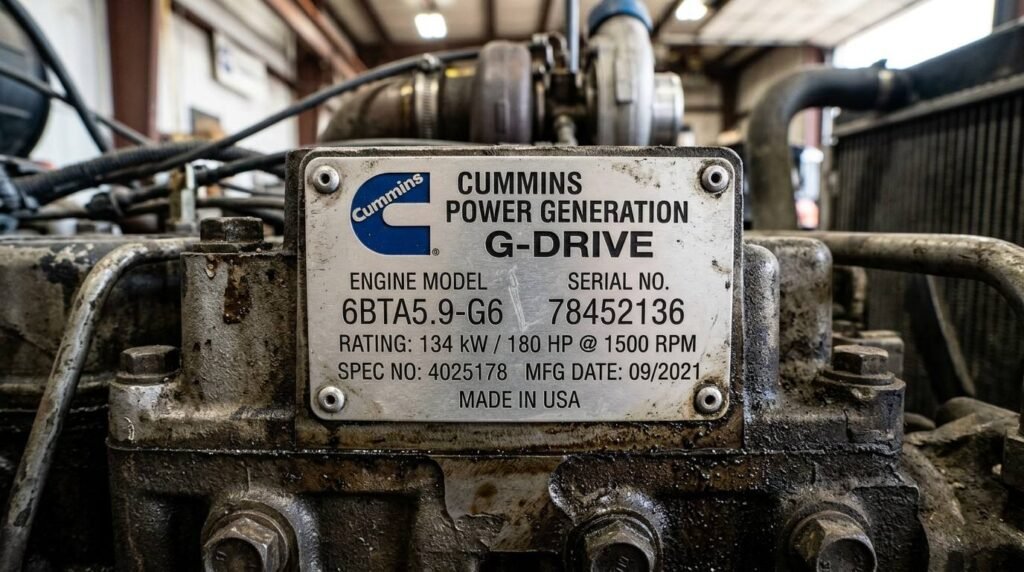
In the B2B world, the “fake” is the ultimate profit-killer. When you see a suspiciously low price for a 100kW generator, the first thing I check is the engine’s lineage. Genuine Cummins G-Drive engines are purpose-built for the rigors of power generation. They are engineered to sit idle for months and then roar to life in under 10 seconds when the grid fails. A copycat engine might look the same, but it lacks the metallurgy and precision-balanced crankshaft of the original.
I’ve seen “trading companies” try to pass off refurbished truck engines as new industrial gensets to buyers who lack technical expertise. At my factory, every engine is verified via its unique serial number through the official Cummins global database. Using a fake or used engine might save you \$5,000 today, but it will cost you Mark Shenng’s trust—and your entire rebranding business—the moment it throws a rod during a Canadian ice storm.
Does EPA Tier 4 Final Certification Make Your Wallet Cry?
If you are exporting to North America, the Environmental Protection Agency (EPA) is the biggest factor in your price tag. In 2026, you cannot legally install a non-emergency generator in the US or Canada unless it meets Tier 4 Final standards. These engines require sophisticated Selective Catalytic Reduction (SCR) and Diesel Particulate Filters (DPF) to achieve near-zero emissions. This technology alone can add \$10,000 to \$20,000 to the cost of a 100kW unit compared to a Tier 2 or Tier 3 engine used in Africa or South America.
Mark Shenng is always sensitive to quality, but he’s also a shrewd negotiator. He asks why the “North American Spec” is so much more expensive. I tell him: “Mark, do you want to pay a customs fine that’s double the price of the generator?” Using a Tier 4 Final engine isn’t just about being green; it’s about being legal. At GoCommins, we integrate these complex exhaust systems into our customizable gensets so your “premium” Canadian brand stays compliant and out of legal hot water.
Why Does Alternator Insulation Class Affect Your Bottom Line?
The engine makes the motion, but the alternator makes the power. Many low-cost suppliers will pair a great Cummins engine with a “Class F” insulation alternator to cut corners. At GoCommins, we insist on Genuine Stamford alternators with Class H insulation. Class H can withstand internal temperatures up to 180°C, while Class F will fail at lower temps, leading to a burnt-out coil and a very angry phone call from your client in the Middle East.
I tell my procurement managers: “The alternator is where the electricity happens; don’t buy a Ferrari engine and put it in a wooden wagon.” A genuine Stamford unit offers up to 5% higher efficiency, which translates to thousands of dollars in fuel savings over the generator’s lifespan. If your supplier’s quote is 20% lower than everyone else’s, they are almost certainly using an “unauthorized” copy alternator that will overheat the moment you hit 80% load.
Is Your “Silent” Canopy Actually a Tin Can in Disguise?
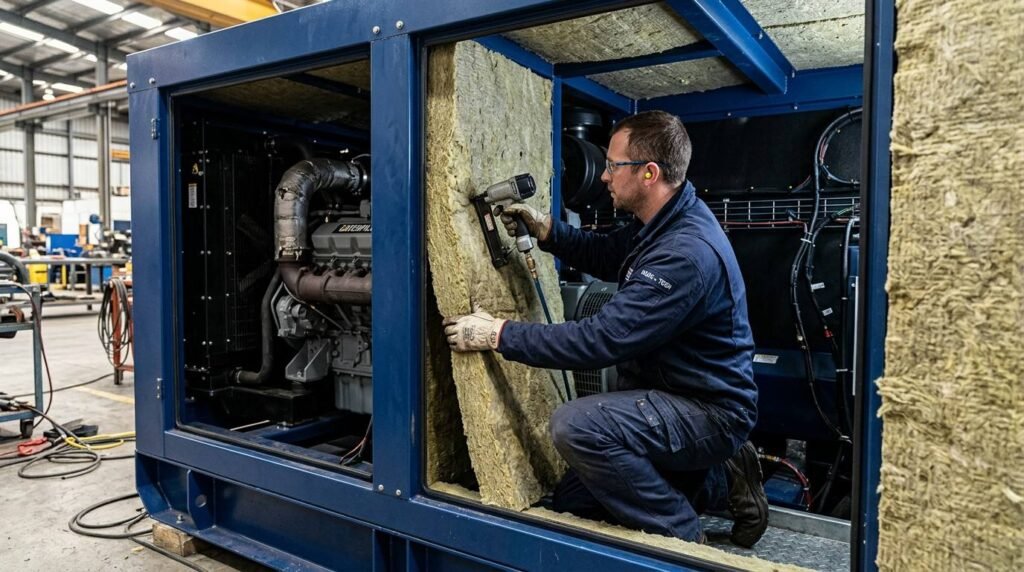
Building a silent canopy is an art form, not just a sheet metal job. A real GoCommins silent enclosure uses 2.0mm to 4.0mm cold-rolled steel and high-density fire-resistant mineral wool. Cheap factories use 1.2mm steel (which vibrates like a drum) and flammable furniture sponge. If your “silent” generator sounds like a jet engine having a nervous breakdown, you’ve bought a low-quality enclosure.
We also invest heavily in ISO 9227 salt spray testing for our powder coating. If you’re shipping a unit to the coast of Canada, it needs to survive the salt air. A cheap paint job will start peeling in six months, leading to rust and a “branding disaster” for Mark’s premium distribution model. A high-quality, weatherproof, and sound-dampening canopy accounts for about 15-20% of the total price, but it’s the difference between a professional tool and an industrial eyesore.
Do Certification Fees Protect Your Investment or Just Add Fat?
I know Mark Shenng is worried about “inefficient communication” and “delayed shipments” due to paperwork. But certifications like UL 2200 for the US or CSA for Canada are non-negotiable for large-scale projects. These certifications aren’t just pieces of paper; they prove that the generator has undergone rigorous fire and electrical safety testing. Obtaining these listings costs manufacturers thousands of dollars in audit fees and specialized engineering.
When a middleman tells you “the certificate is coming next week,” they are usually hiding the fact that they don’t have one. We are an authorized manufacturer, and we provide verifiable certification packs with every export. Yes, it adds to the cost, but it eliminates the risk of your shipment being seized at the port of Montreal. In the B2B world, paying for compliance is the cheapest insurance policy you will ever buy.
Can Logistics and Tariffs Sink Your Profit Margin?
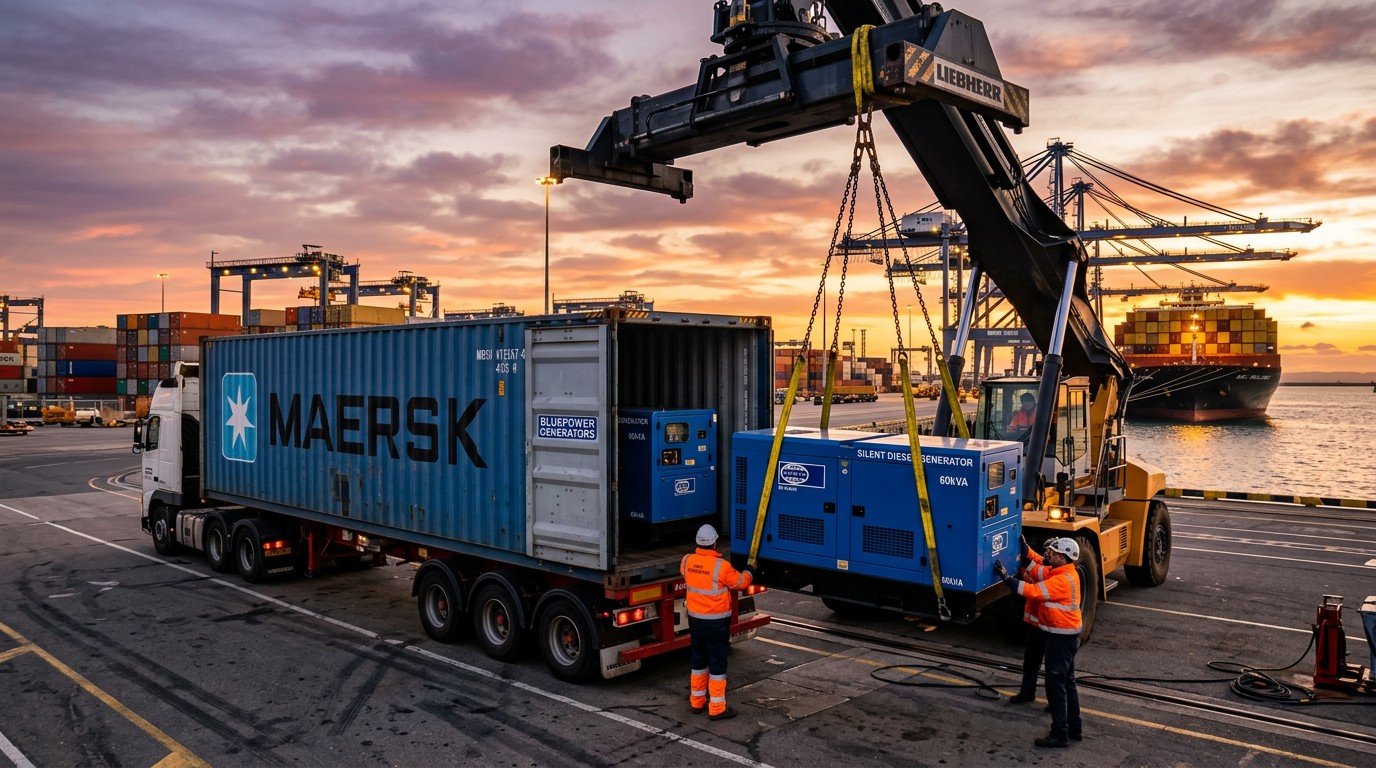
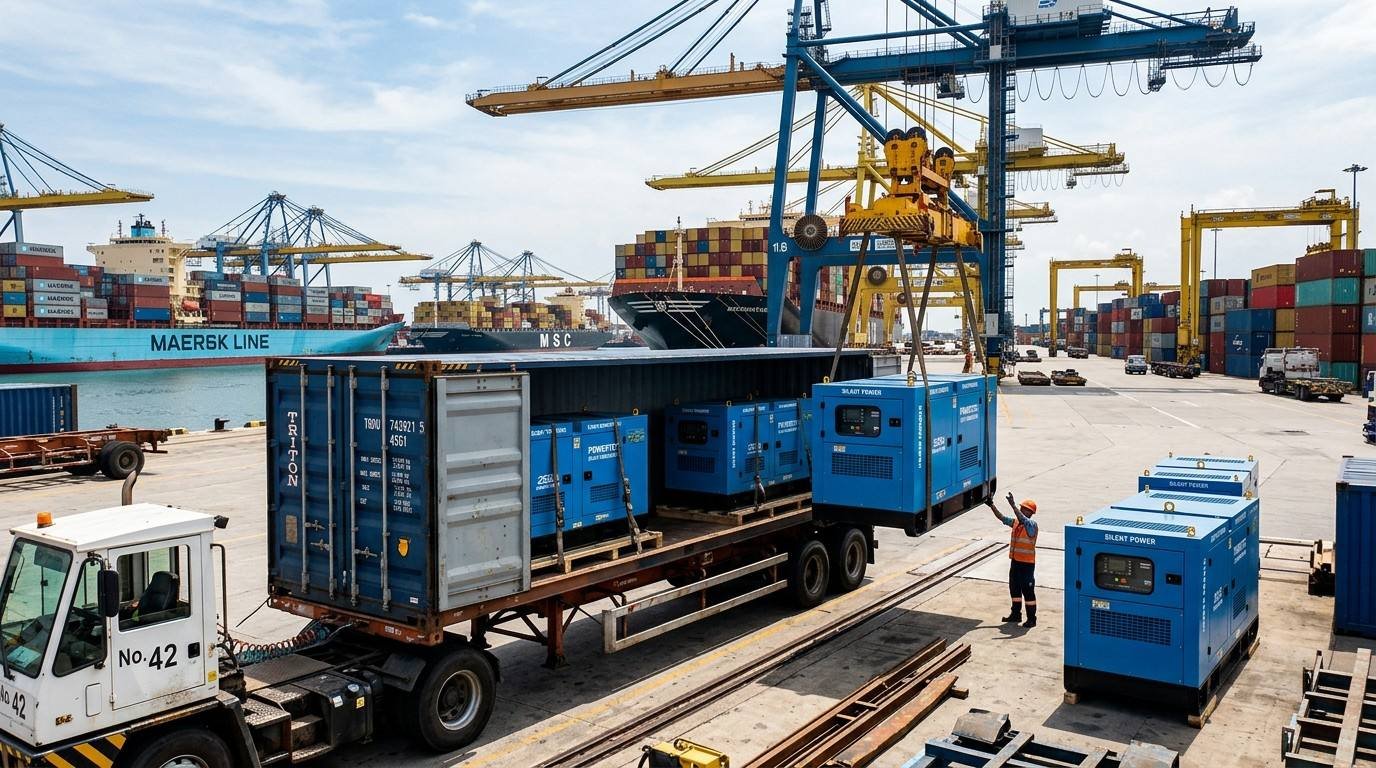
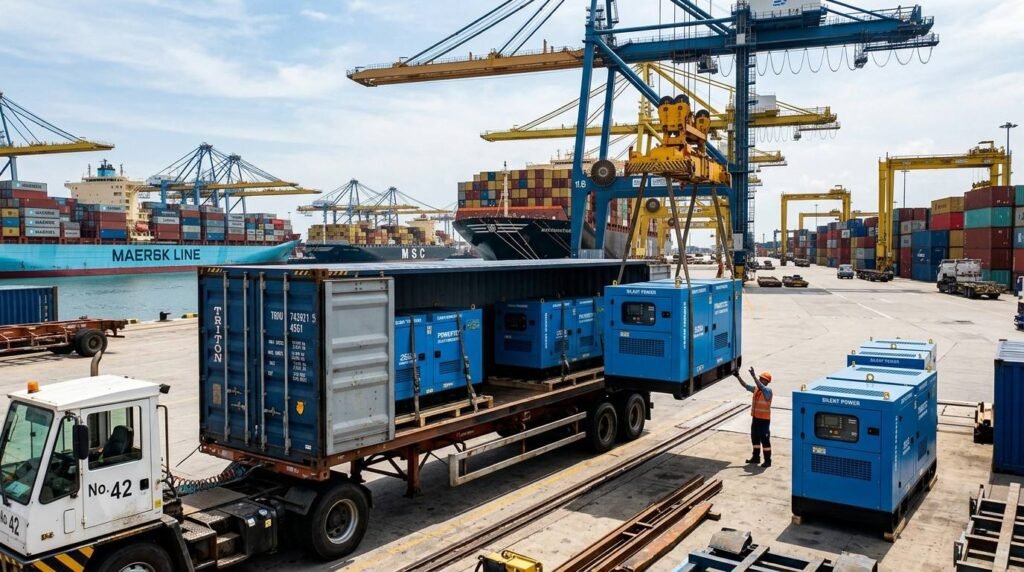
Finally, let’s talk about the “hidden” costs. In June 2026, container shipping rates from China to Canada have seen massive fluctuations. A 40HQ container can cost anywhere from \$5,000 to \$8,000 depending on the week. If your supplier doesn’t have a dedicated logistics team, you could be hit with “Peak Season Surcharges” that wipe out your markup.
We utilize our 5 production lines to batch shipments, ensuring our wholesale partners get the best freight rates possible. We also help navigate the complex world of import duties and tariffs. Mark Shenng rebrands our units and sells them at a premium, and he can only do that if his landed cost is predictable. We act as your technical and logistical expert, so you don’t have to worry about “shipping delays” or “certificate fraud” ever again.
Conclusion
A Cummins-powered generator price is a puzzle of engineering, compliance, and logistics. By focusing on genuine engines, Tier 4 compliance, and verifiable certifications, you protect your brand’s future. Don’t settle for the lowest quote; settle for the highest value. Let’s power your success together!
FAQ: Cummins Generator Pricing & Quote Transparency
Q: Why do quotes for the same Cummins generator vary so much between suppliers?
A: Price differences come from real specification gaps: the engine’s emissions tier (EPA Tier 4 Final can cost 40–50% more than Tier 3), the alternator brand (genuine Stamford vs. generic copy), the digital control system, and the soundproof enclosure design. Mandatory certifications like UL 2200 and CSA, plus shipping indices and import tariffs, can shift landed cost by thousands of dollars. GoCommins itemizes every one of these factors in our factory-direct quotation so B2B buyers can see exactly where the money goes.
Q: How can I fairly compare generator quotes from different manufacturers?
A: Compare like-for-like: same engine tier, same alternator brand, same controller, same enclosure specification, and the same certification scope. A lower price usually means a component was downgraded somewhere. GoCommins provides a fully itemized quote broken down by engine, alternator, controller, enclosure, and certification, so you can benchmark our pricing against any competitor with confidence.
Q: Are unusually cheap Cummins generator quotes a red flag?
A: Often, yes. A price far below market typically signals a generic alternator, a lower emissions tier than quoted, or missing UL/CSA certifications that will be rejected at customs. GoCommins is a factory that uses genuine Cummins engines and factory-verified compliance, so the specification you approve is the machine you receive — no surprises at delivery or inspection.
Q: What certifications should a quote include for importing into North America?
A: A compliant quote should specify the EPA emissions tier (Tier 4 Final where required), UL 2200 for US safety, and CSA C22.2 No. 100 for Canada, plus the factory test report. GoCommins ships each genset with its factory test documentation and can help distributors navigate CARB requirements for California-bound shipments.
Q: Does GoCommins offer factory-direct pricing without middleman markup?
A: Yes. GoCommins manufactures authorized Cummins gensets directly across five production lines, selling factory-direct to B2B buyers and distributors. That structure removes agent layers, giving you competitive pricing with full transparency on every component — engine, alternator, controls, enclosure, and certifications.